Recipev2
Game Character Design
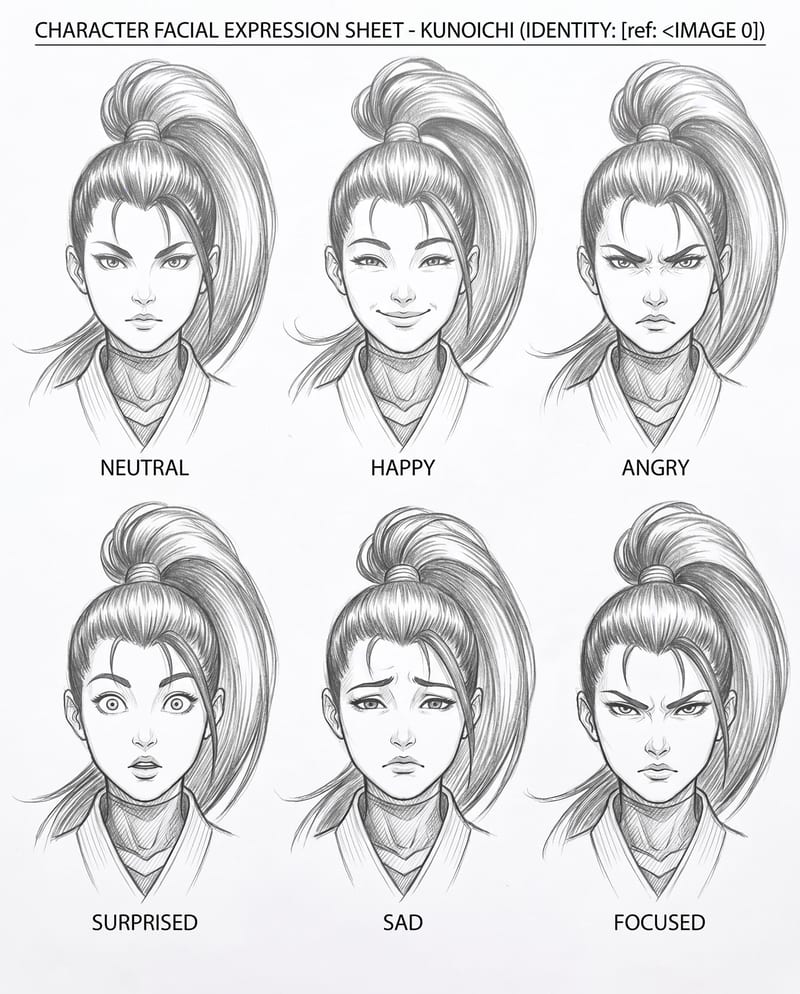
Character Facial Expression Sheet
Game Character Design
Upload a rough character sketch to create facial expression, costume, and movement reference sheets for game character design.
Character Facial Expression Sheet
A recipe turns a reusable workflow into a simple set of inputs and outputs. Start with a community recipe and make it your own in Fuser.
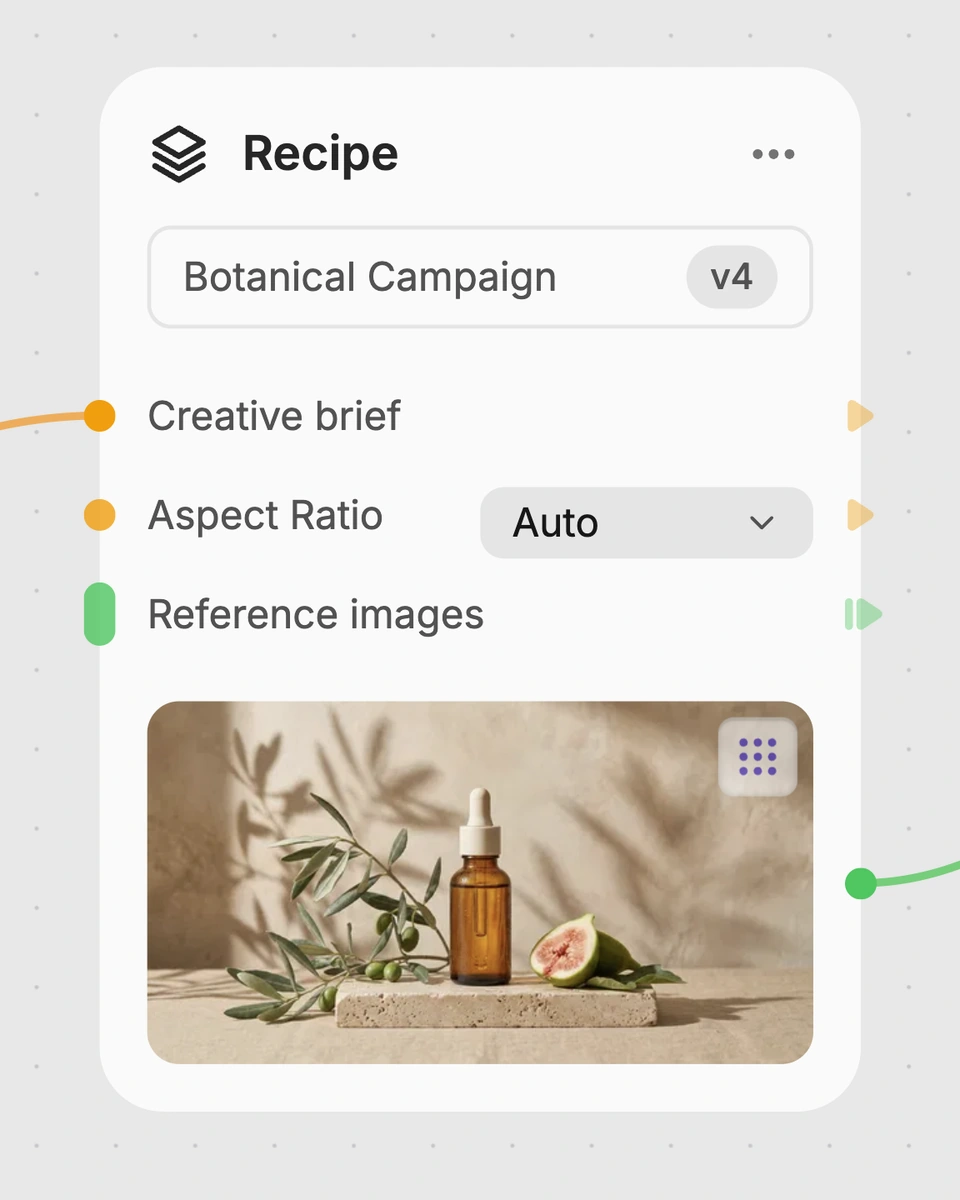
1. Choose a recipe
Find a workflow for the result you want. Review what it does and how to use it before opening it in Fuser.
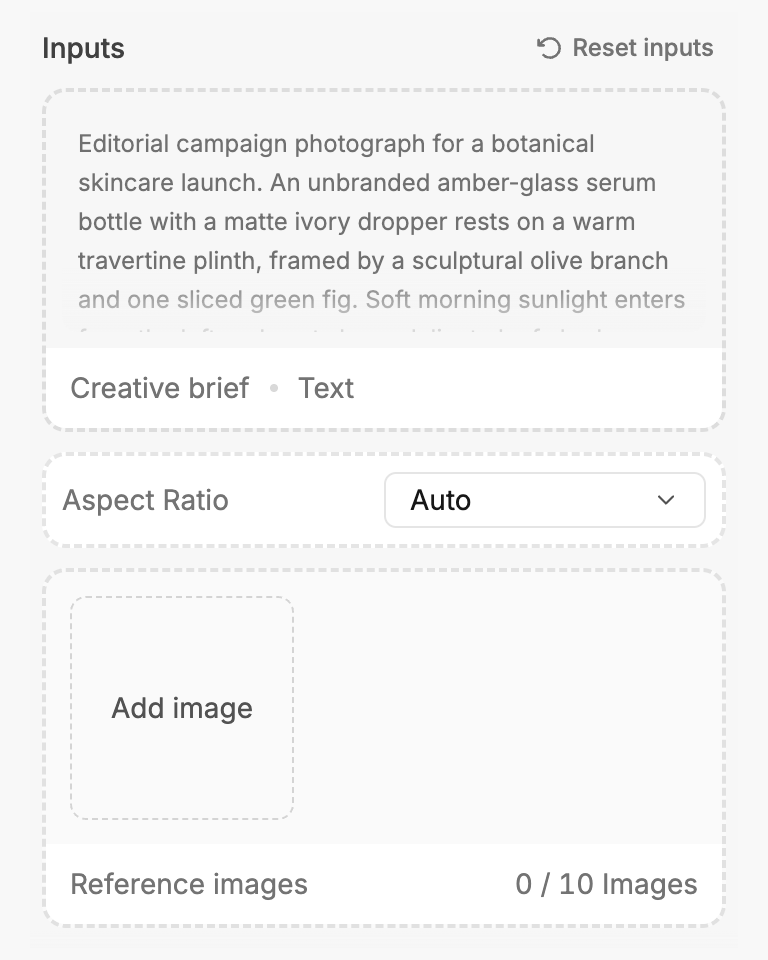
2. Make it your own
Check the recipe’s available inputs. Add your own text or media where supported, or start with the saved defaults.

3. Run and refine
Run the recipe in Fuser and review the result on your canvas. Adjust any available inputs when you want to try another direction.
Use the generated reference sheets to develop, review, and document a game character from an initial sketch.
It is intended for people developing or reviewing game character concepts from a rough sketch. The outputs provide separate facial expression, costume, and movement reference sheets for discussing different parts of the design.
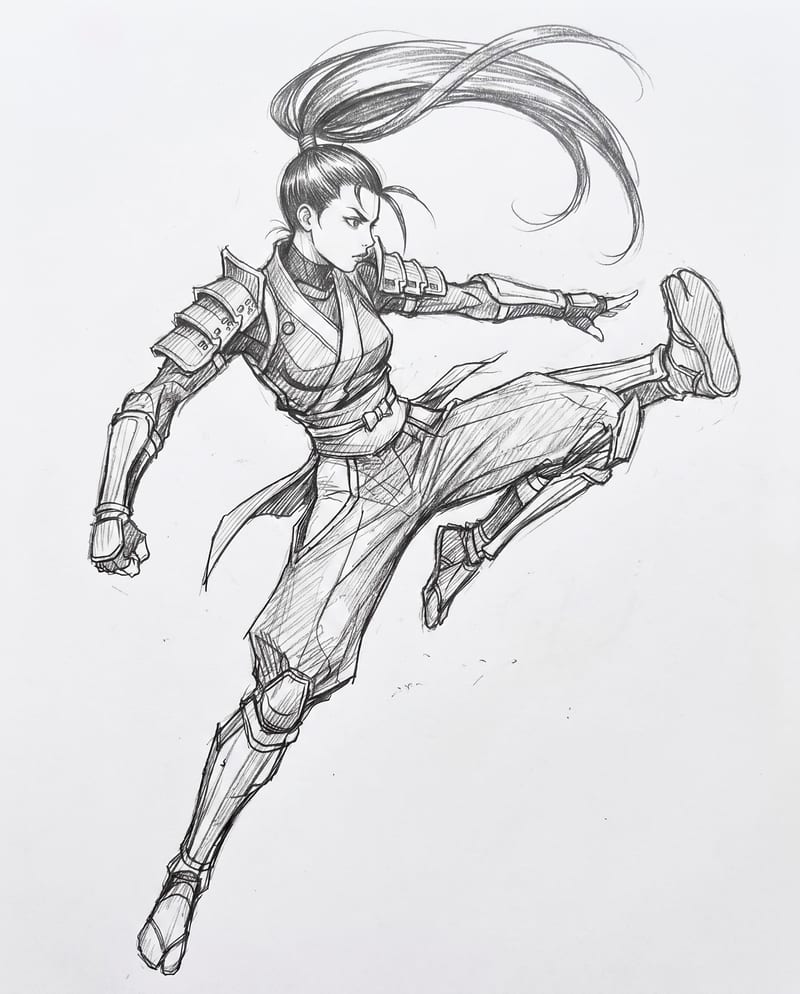
You need one image input labeled Character Sketch. A rough character sketch is the named starting point for this recipe; no other input types are exposed.
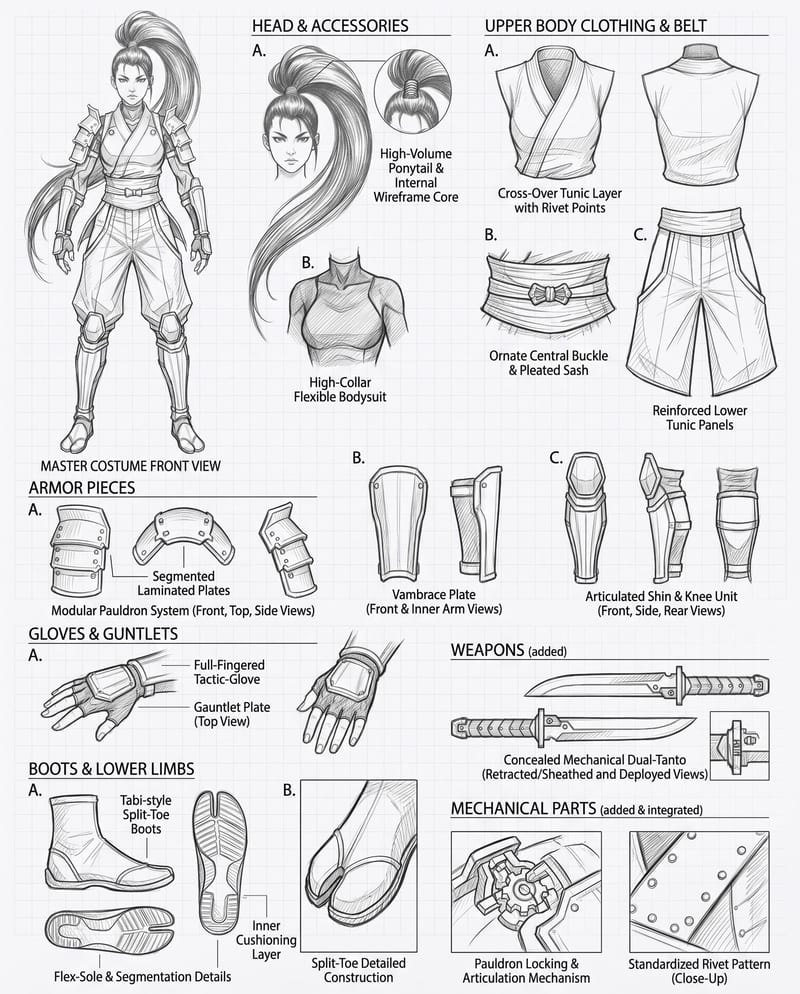
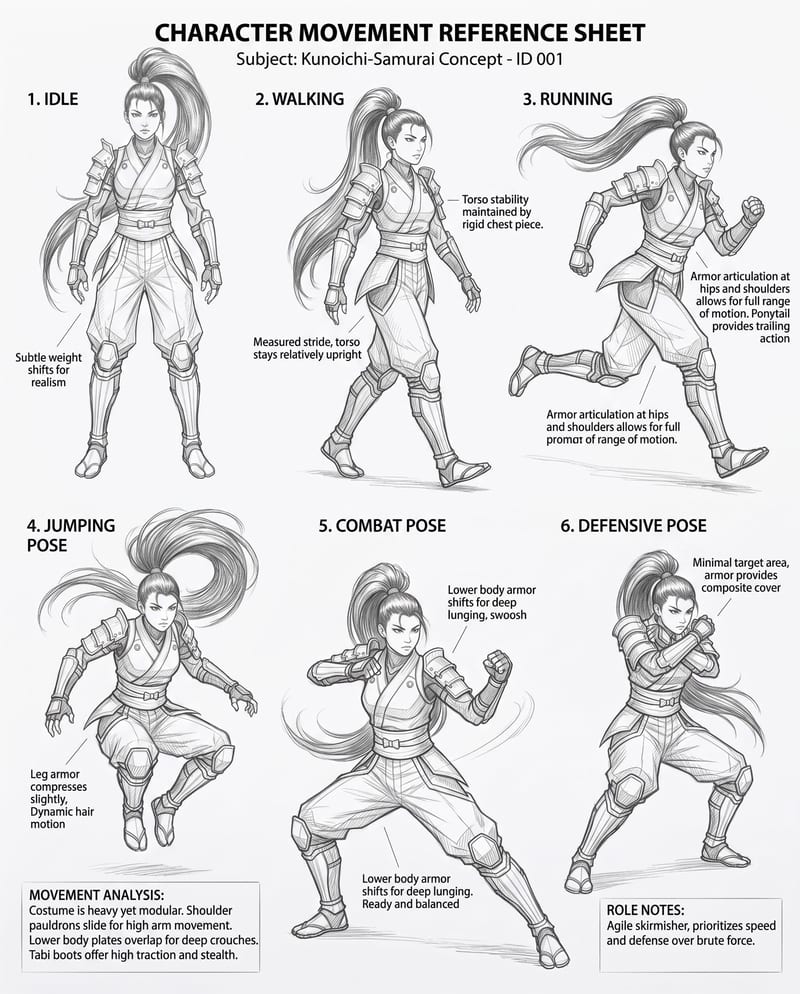
The recipe creates three image outputs: a Character Facial Expression Sheet, a Character Costume Sheet, and a Character Movement Reference Sheet. Together, they expand the original sketch into a broader character design reference set.
Yes. Character Sketch is the exposed editable input, so you can replace it with another image in Fuser. The saved page example shows one connected sketch and its saved outputs; a new input represents a new run.
The facial expression sheet supports discussion of expression, the costume sheet supports costume direction, and the movement reference sheet supports movement planning. They are separate reference images for different aspects of the same character design.
The listed outputs are design and reference sheets, not a specified game-ready asset format. Use them to develop or communicate a character concept rather than treating them as a documented final implementation asset.
Yes. The three sheets can be presented together with the original sketch to explain the character’s expression, costume, and movement direction during concept reviews or team discussions.
Bring a rough character sketch into Fuser and create a connected set of facial expression, costume, and movement reference sheets.
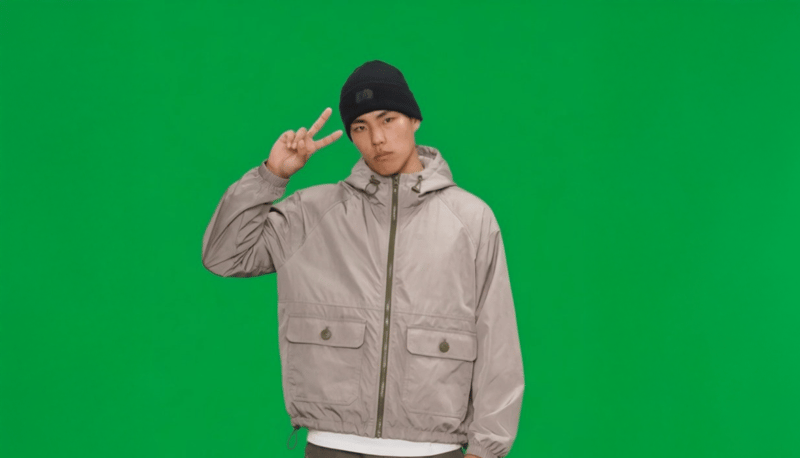
Provide a full-body portrait and motion description to create a green-screen 2D video card of the pictured subject.
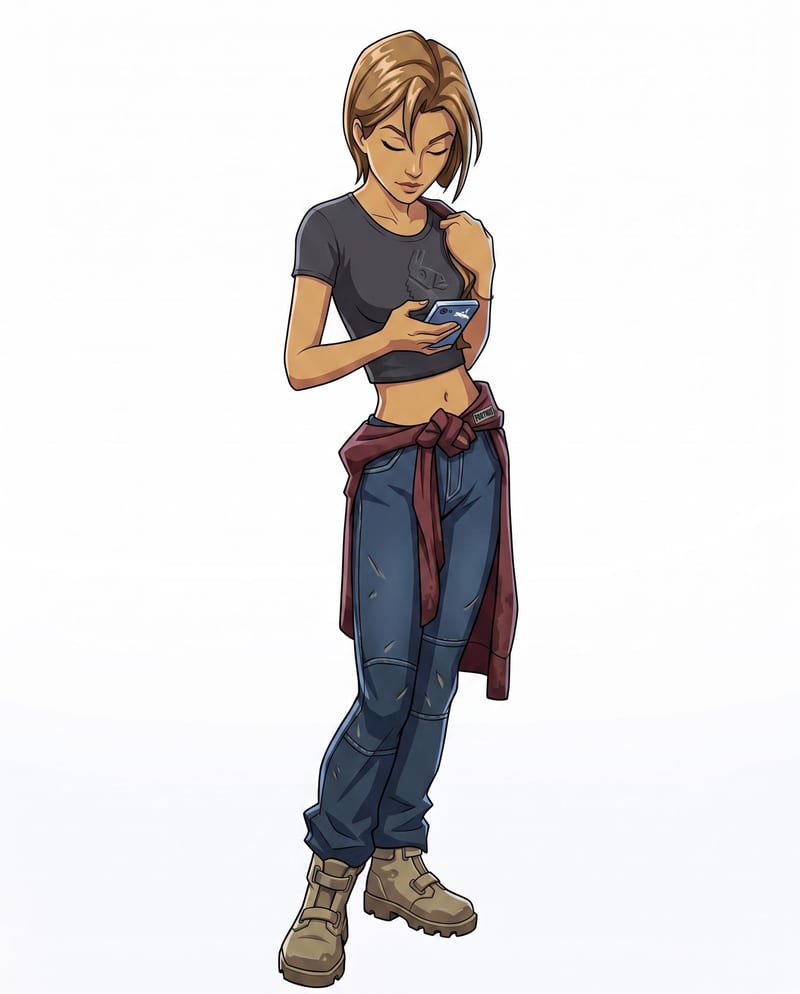
Convert a character sketch and chosen style into a rigged 3D model with a corresponding character render.
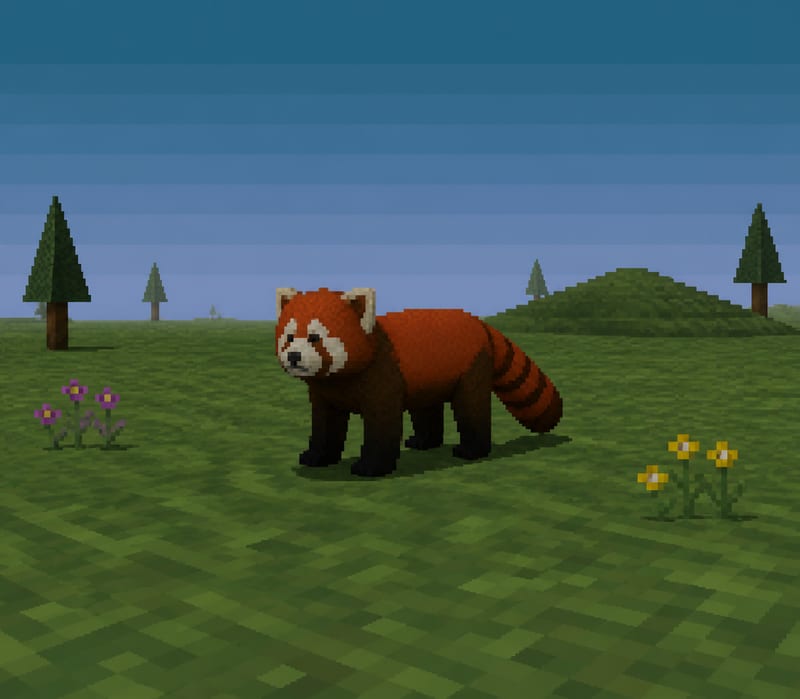
Transform a text subject, such as “red panda,” into a PS1-style image for character and content concepts.