Fuser Apps are here 🚀
Fuser Apps are here. Free generations for the next month 💫
Let's GoGame development
A character, a prop and a location should feel like they belong to the same game. Explore them together, take selected concepts into 3D and try small interactive ideas. Give the art and design team something concrete to build on.
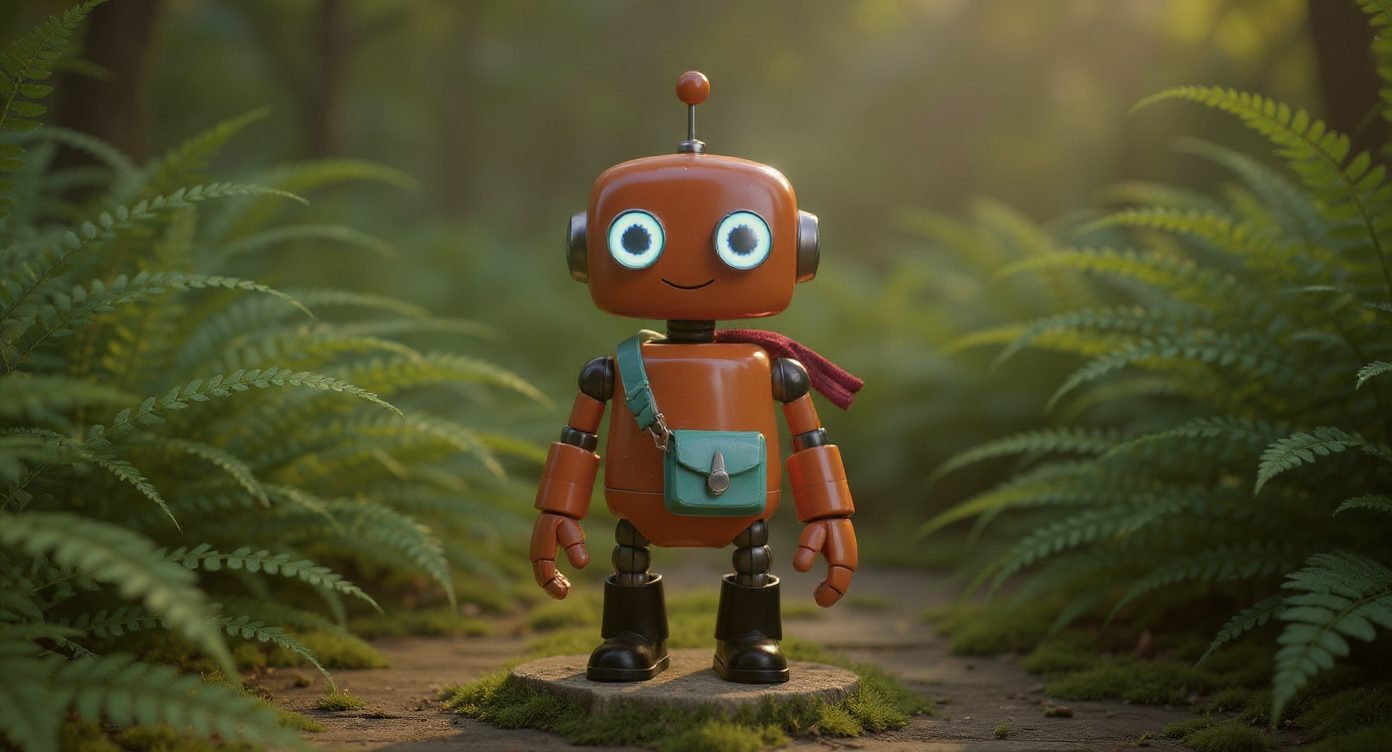
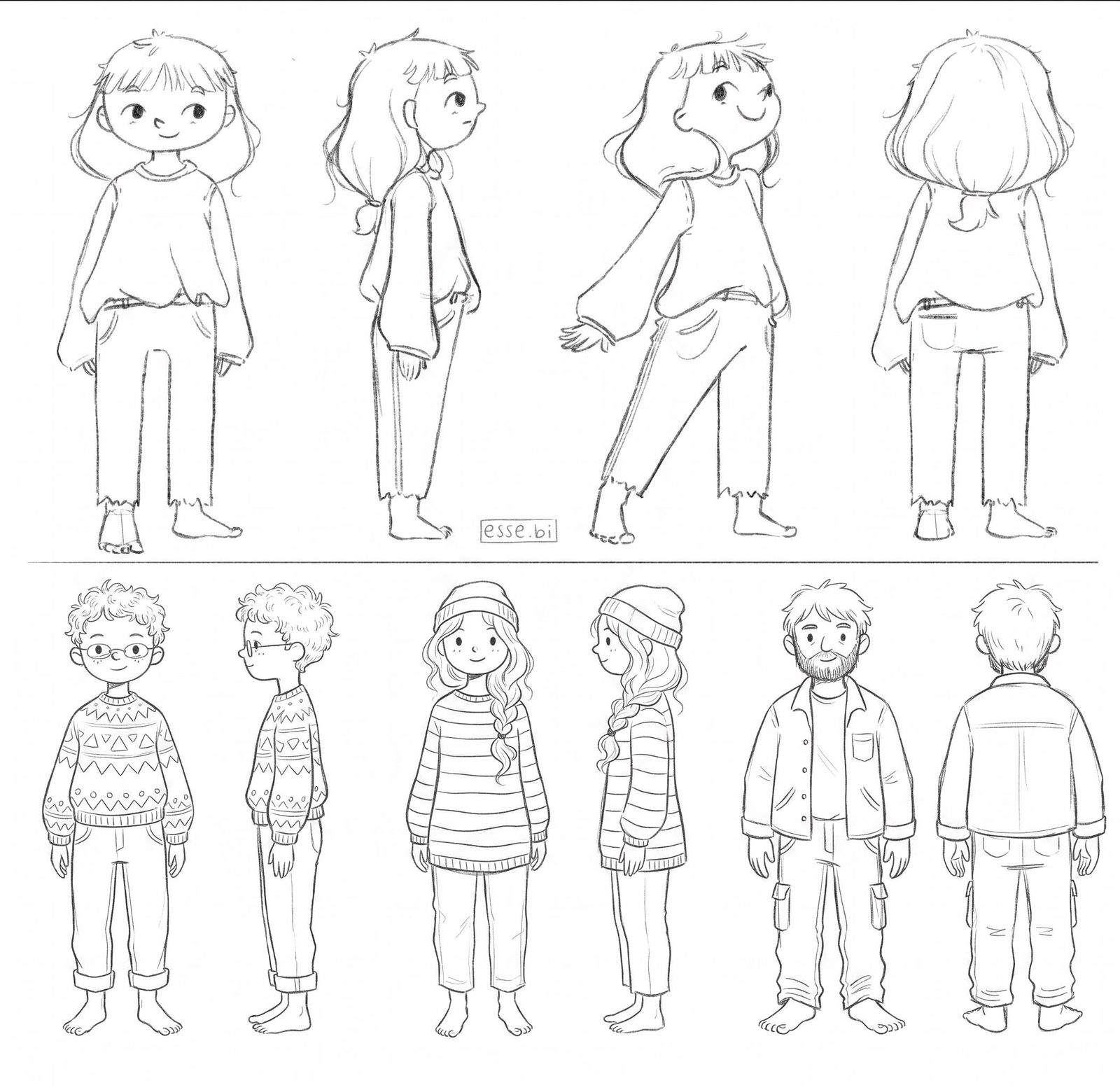
Develop silhouettes, materials and environment studies from a focused reference set. Compare a character beside the objects and spaces around them. Make the art direction visible enough that the team can discuss what belongs—and what needs another pass.
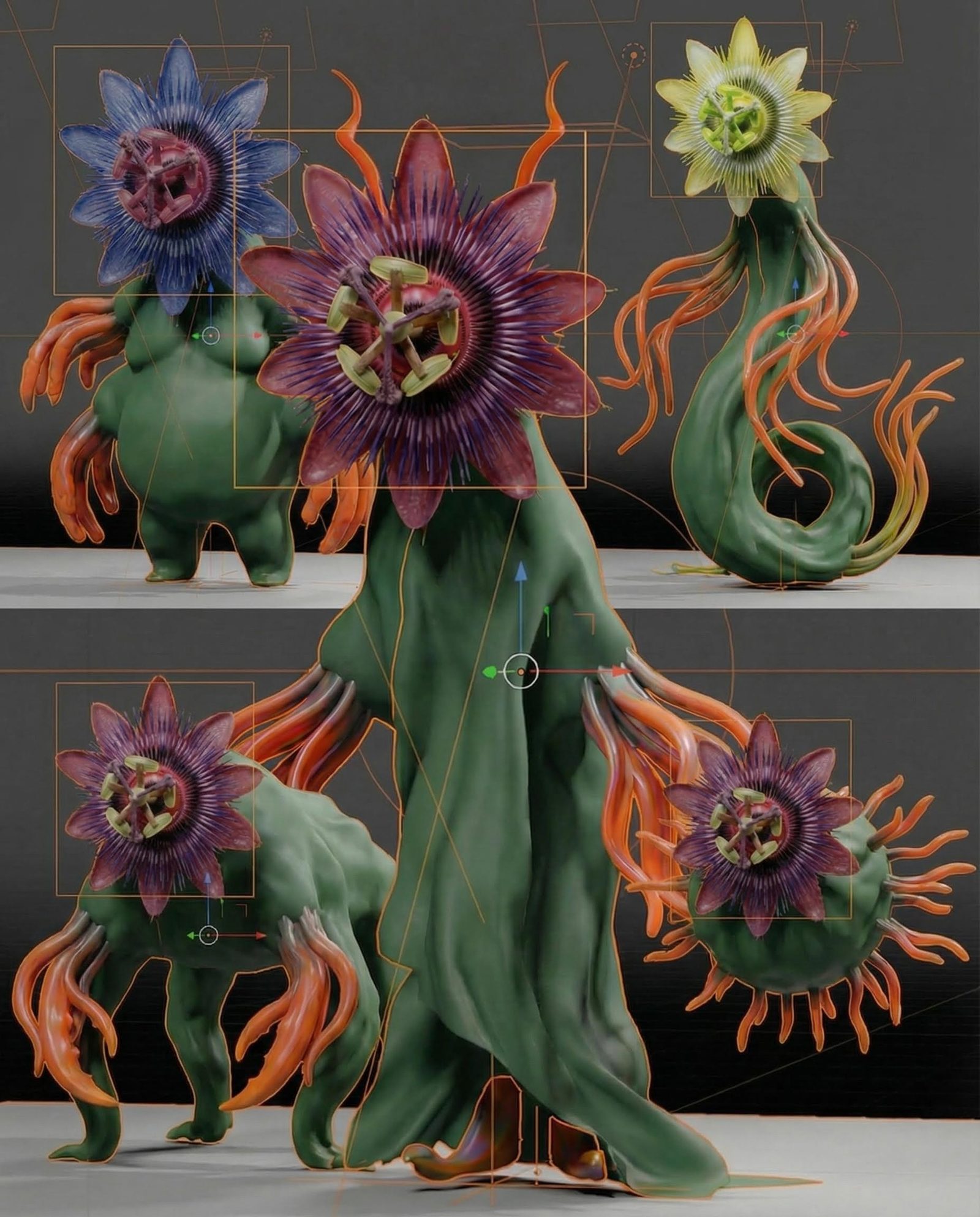
Use a selected image with a suitable 3D-generation tool to explore an individual prop or character. Inspect it beyond the front view and try the available geometry controls. Bring the result into your 3D software for the preparation your game requires.
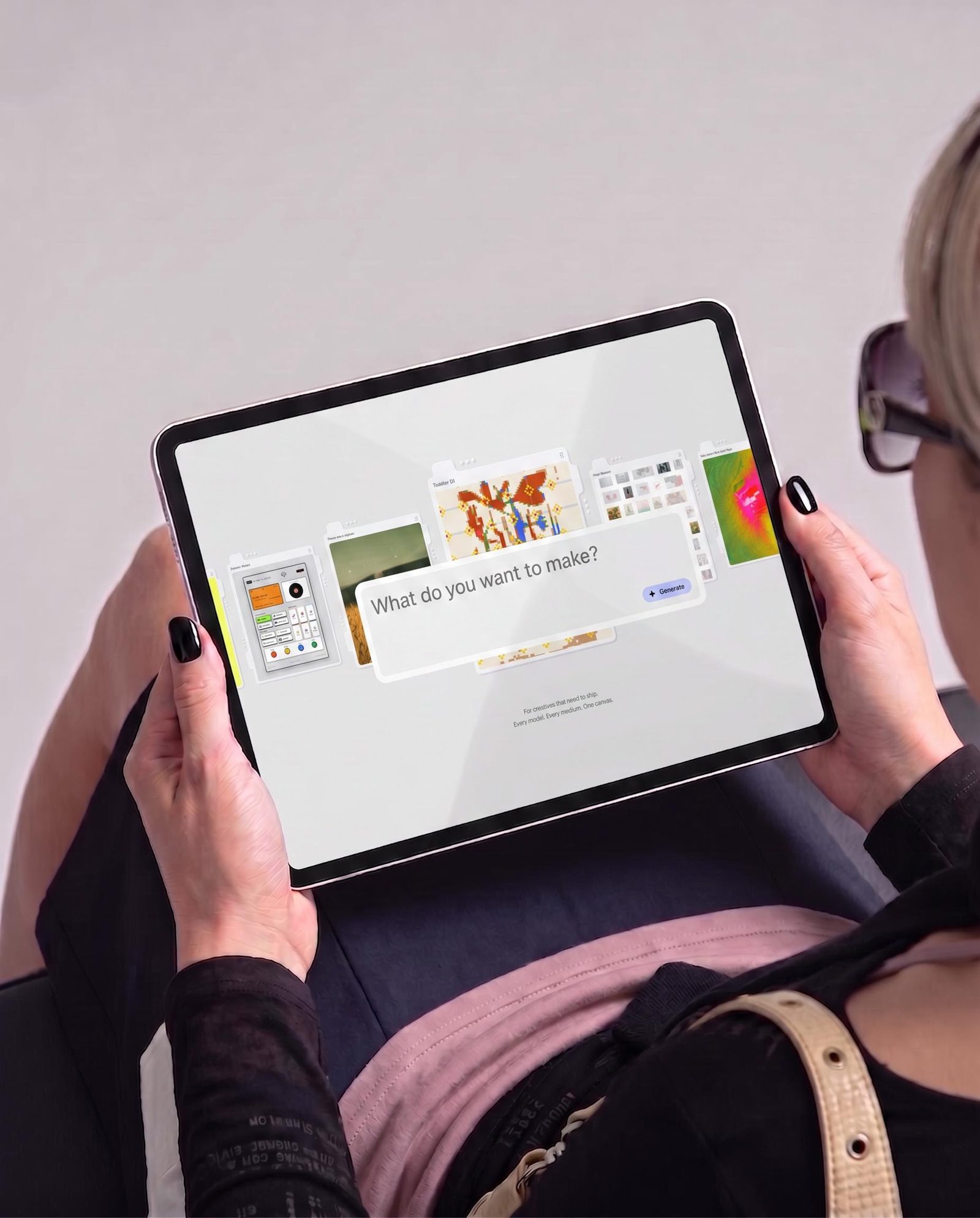
Build a focused browser prototype with Fuser Apps, or explore a visual response in Creative Code. A small playable experiment can make a mechanic or presentation choice easier to discuss. Develop the concept before committing it to the main game project.
Explore the game’s identity across the work the team needs to make.
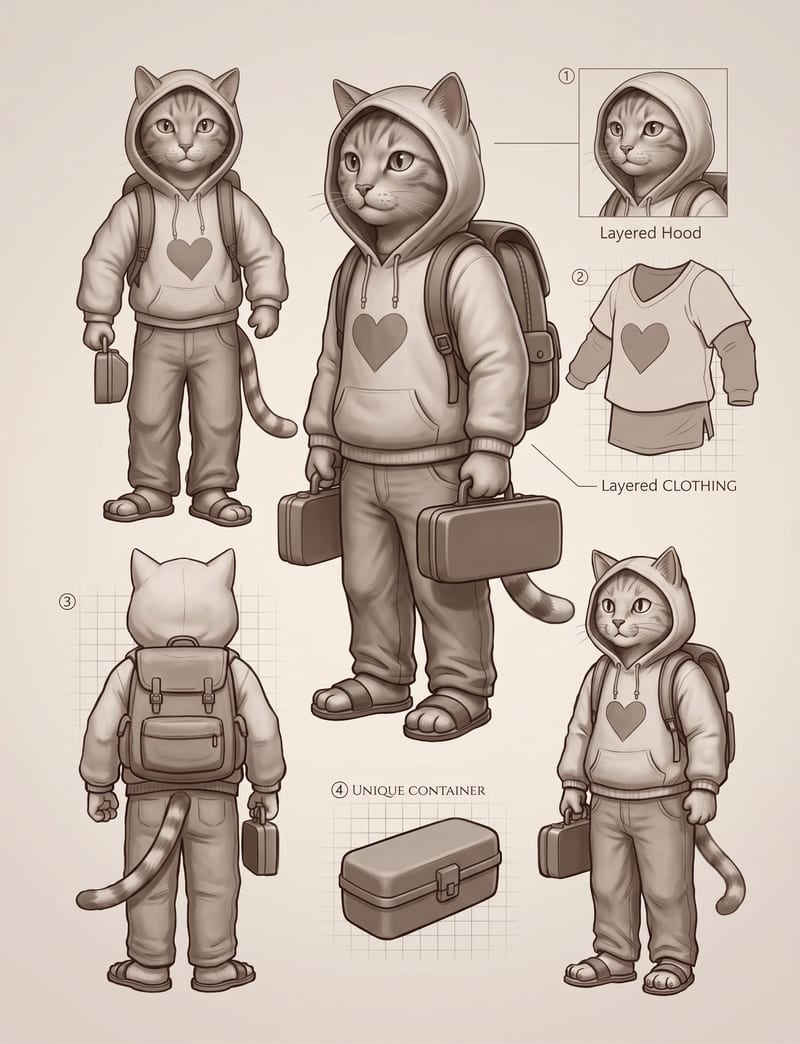
Character concepts
Compare silhouettes, costumes and materials around the role a character plays in the world.

Props and object studies
Develop related designs and selected 3D starting points for further asset work.
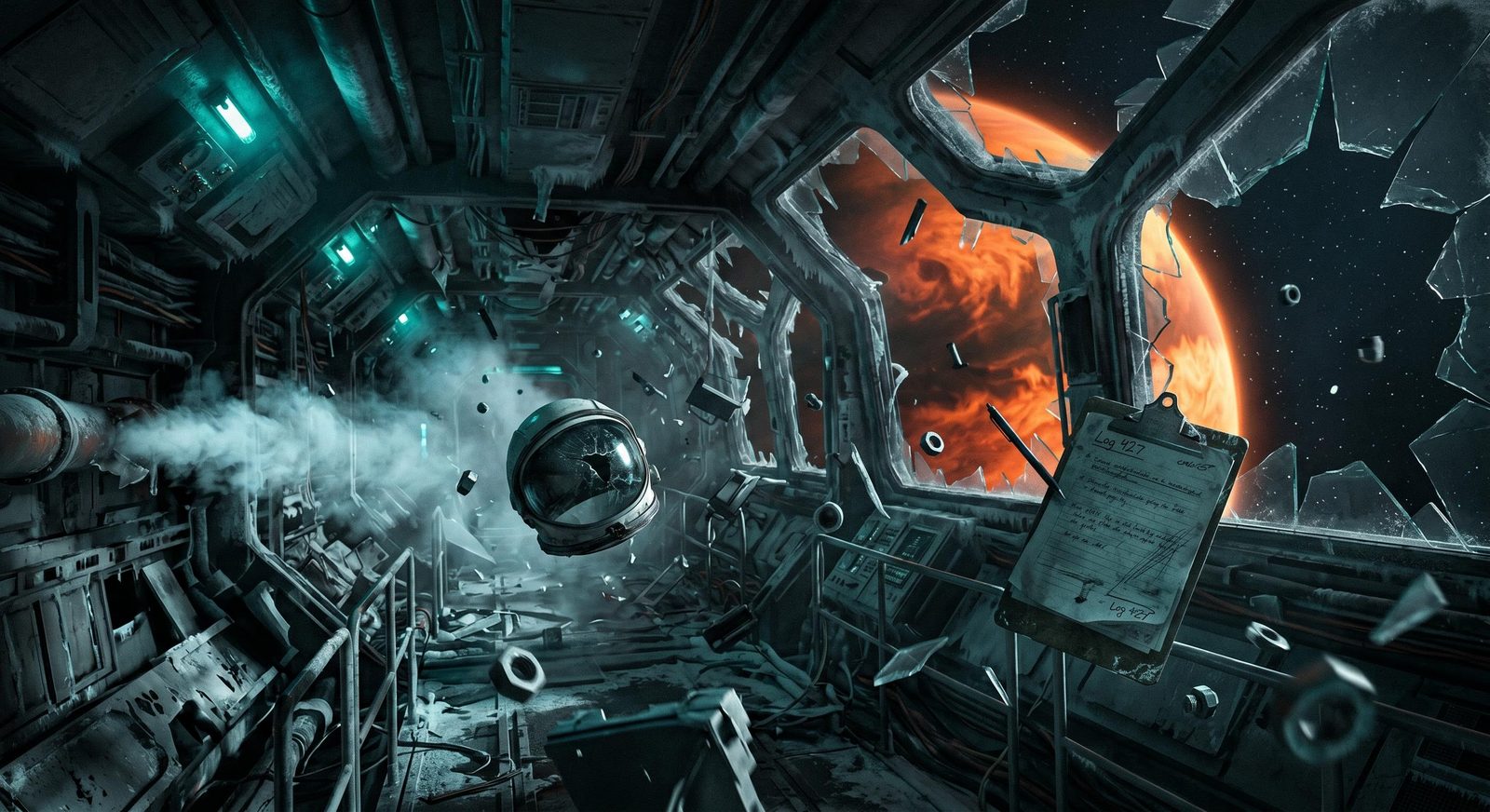
Environment concepts
Explore the palette, lighting and architecture that make a location recognizable.
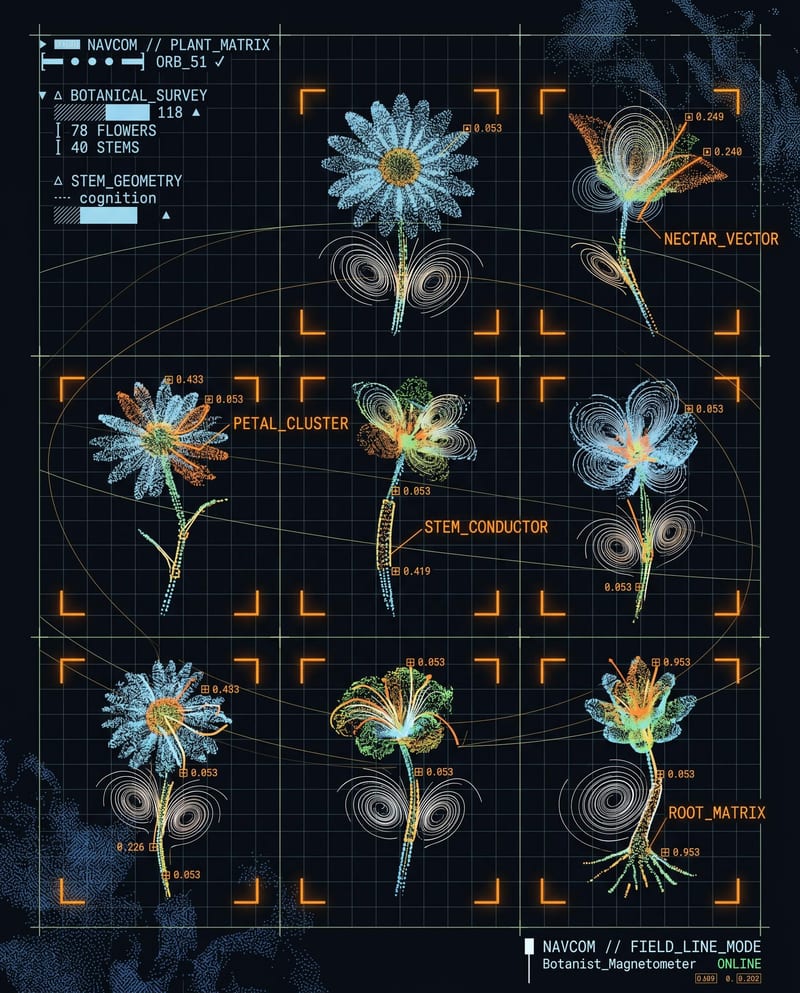
Playable web experiments
Build a small interaction or visual prototype to test and share outside the main engine project.
Yes. Use your own sketches and references to guide new concepts, then compare the results with the project’s visual rules. Keeping character, prop and environment studies together makes it easier to spot where a new idea does not fit.
Yes. Develop those studies around shared references and keep the alternatives together on the canvas. Compare silhouette, material and color decisions across the set. You can resolve the art direction before producing a much larger collection of assets that all need to feel like the same game.
Inspect the mesh and materials in your usual 3D tools. Topology, scale, rigging and performance requirements depend on the game and target hardware. Fuser provides a starting point to develop; generation does not automatically make an asset engine-ready.
Yes. Use an image-to-3D tool with a selected concept to explore an individual object in three dimensions. Review the form from more than one angle, then decide what to refine in your 3D pipeline. The concept and generated asset can stay together in the project for comparison.
Use Apps for a running browser-based experiment, or Creative Code for a focused interactive visual study. Describe the mechanic or behavior you want to try, then test and revise it. This is useful for exploring a small idea; it does not require moving your main game project out of its engine.
Yes. Develop key-art concepts, compose title treatments and create promotional imagery or motion studies. Keep typography and logos editable in Compositor so announcement details can change without regenerating the artwork.
Package a useful sequence of generation steps as a Recipe with inputs for the new brief or reference. Keep the project’s art-direction references close to the work. Artists can reuse the process while still reviewing each result for the silhouette, style and production needs of that particular asset.
Bring a character, a prop or a setting. Develop the visual direction and see where it leads.