Fuser Apps are here 🚀
Fuser Apps are here. Free generations for the next month 💫
Let's GoCreative agencies
Clients buy the strength of the idea and your ability to make it happen. Develop pitch visuals, campaign work and interactive experiences in one creative workspace, with the design control to carry the concept through the revision rounds.
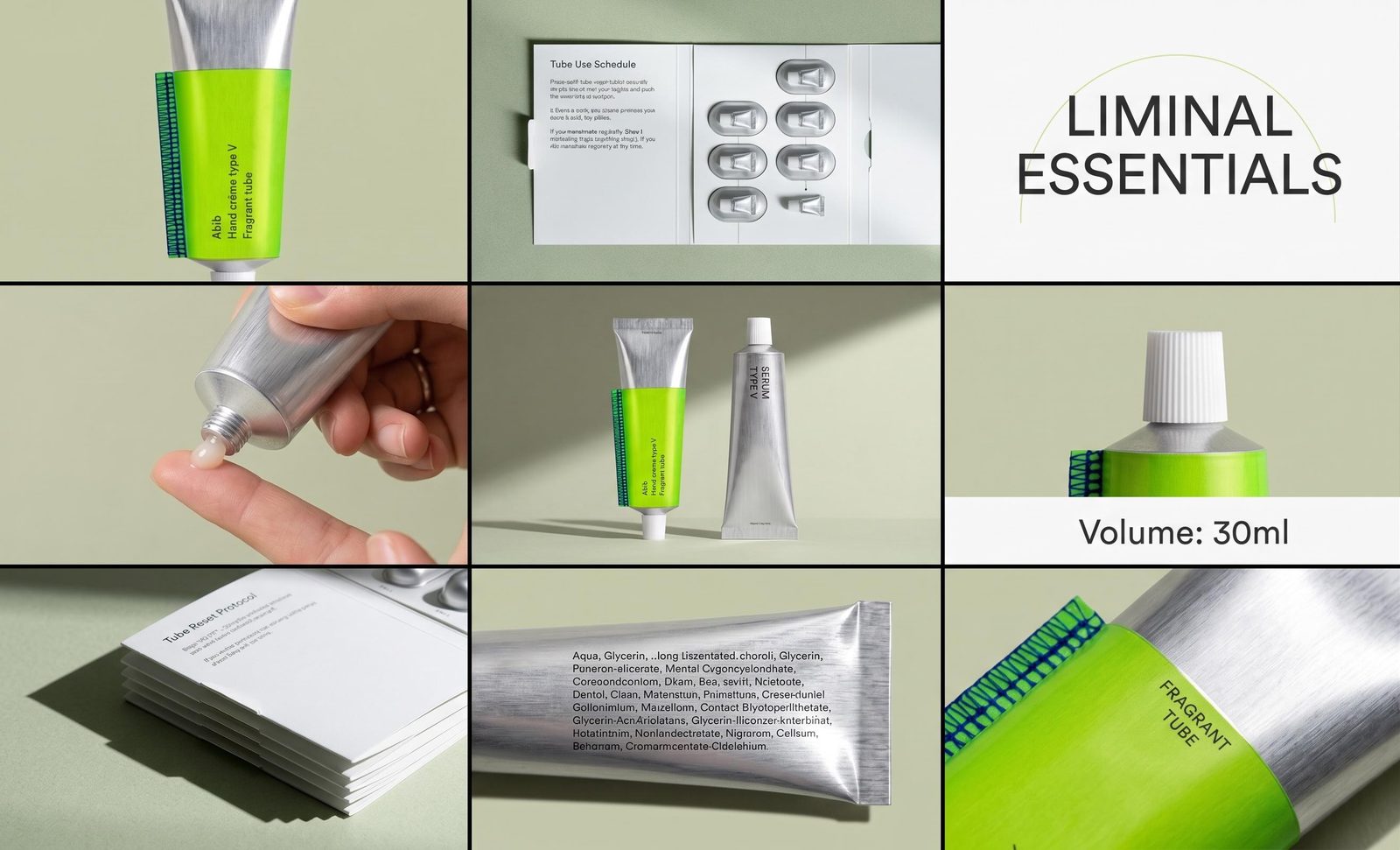
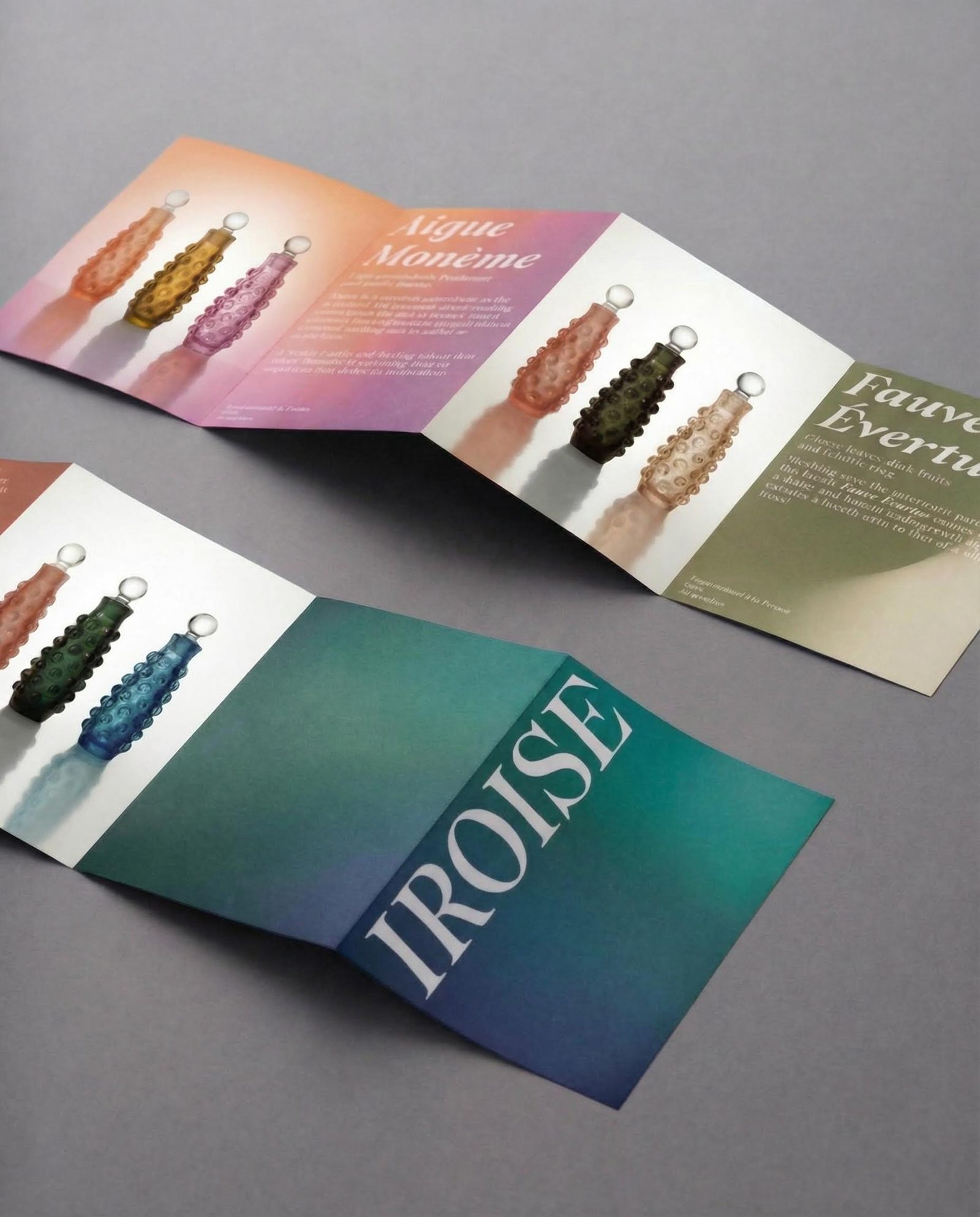
Make the product scene, treatment frame or brand application that demonstrates the idea. Explore distinct routes from the client’s brief and present them with considered typography and layout. Give the room something concrete to react to.
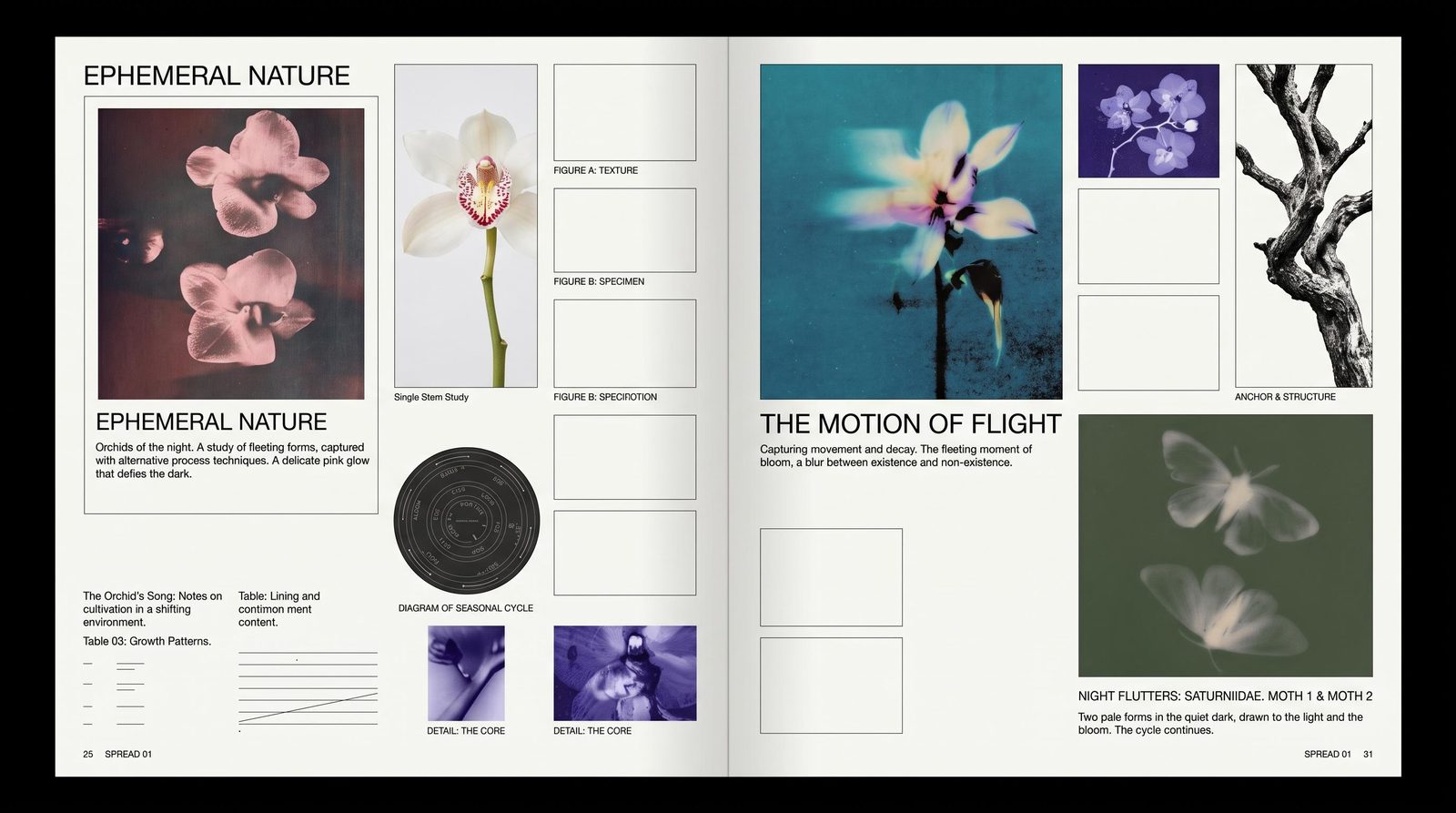
A different headline should not unravel the whole composition. Keep text, logos, imagery and 3D elements editable in Compositor. Extend the idea into motion, a custom interactive graphic or a live campaign microsite when the brief calls for more than an image.
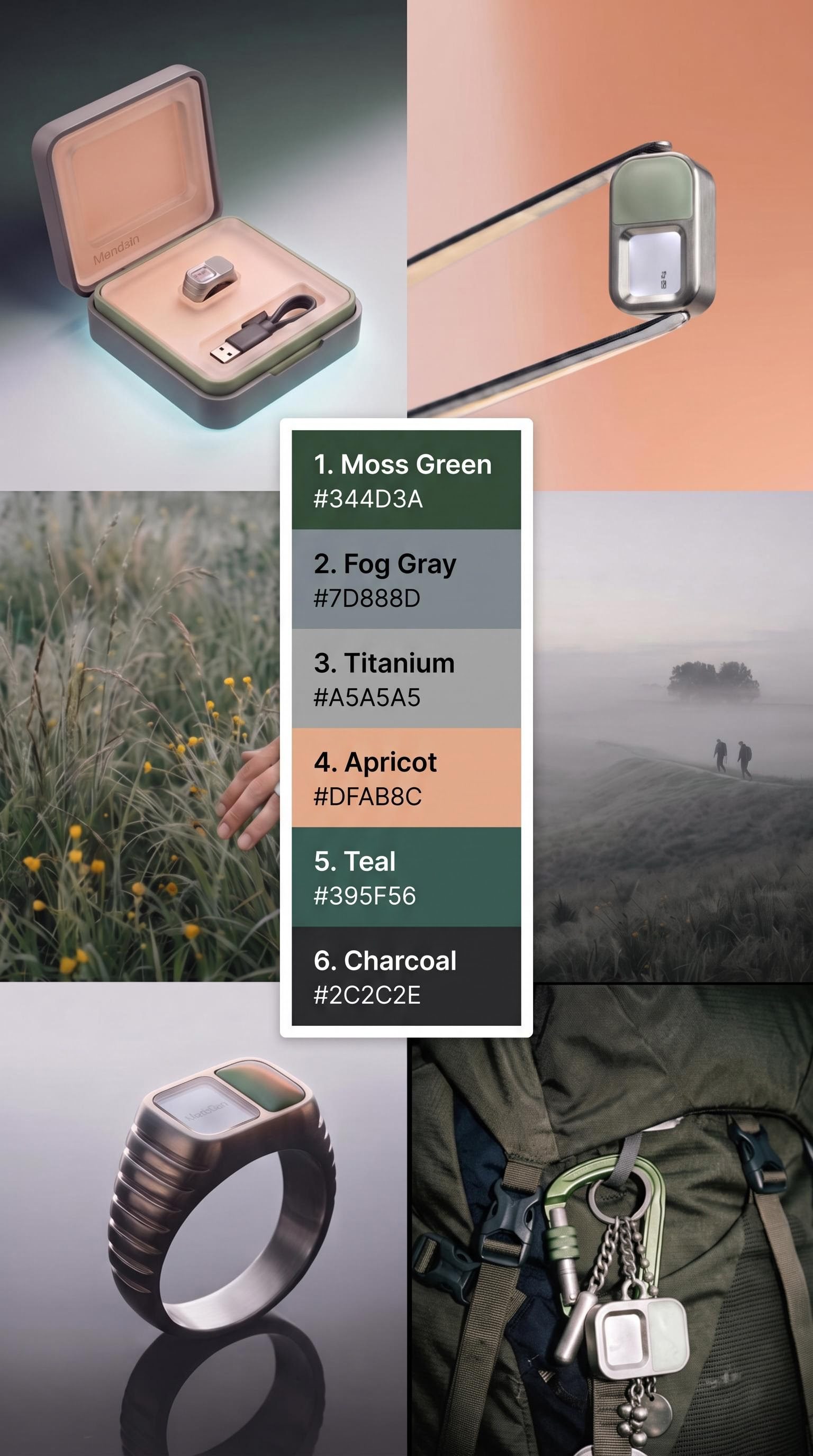
Package a useful creative workflow as a Recipe that teammates can run with new inputs. Organize projects by client in team folders with chosen access levels. The next person can pick up the working approach, not try to reconstruct it from the final deck.
Keep the creative range to answer different briefs without making every project a new process.
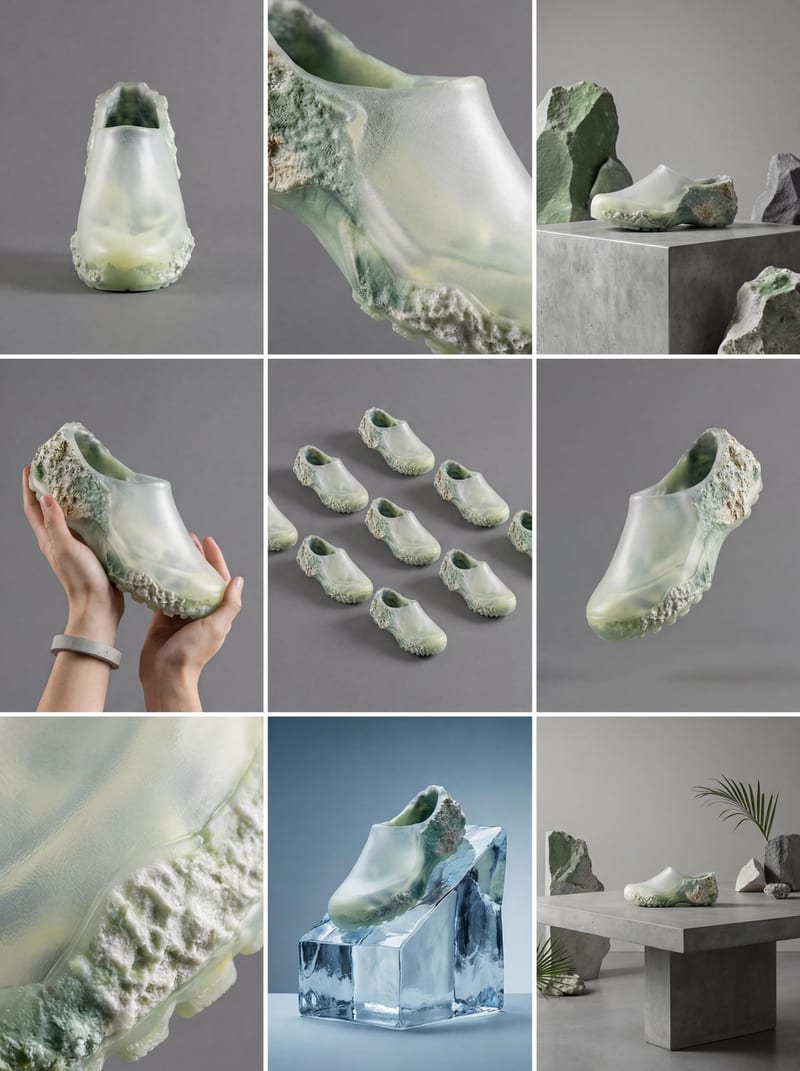
New-business pitches
Present visual concepts and composed boards that make the proposed work tangible.
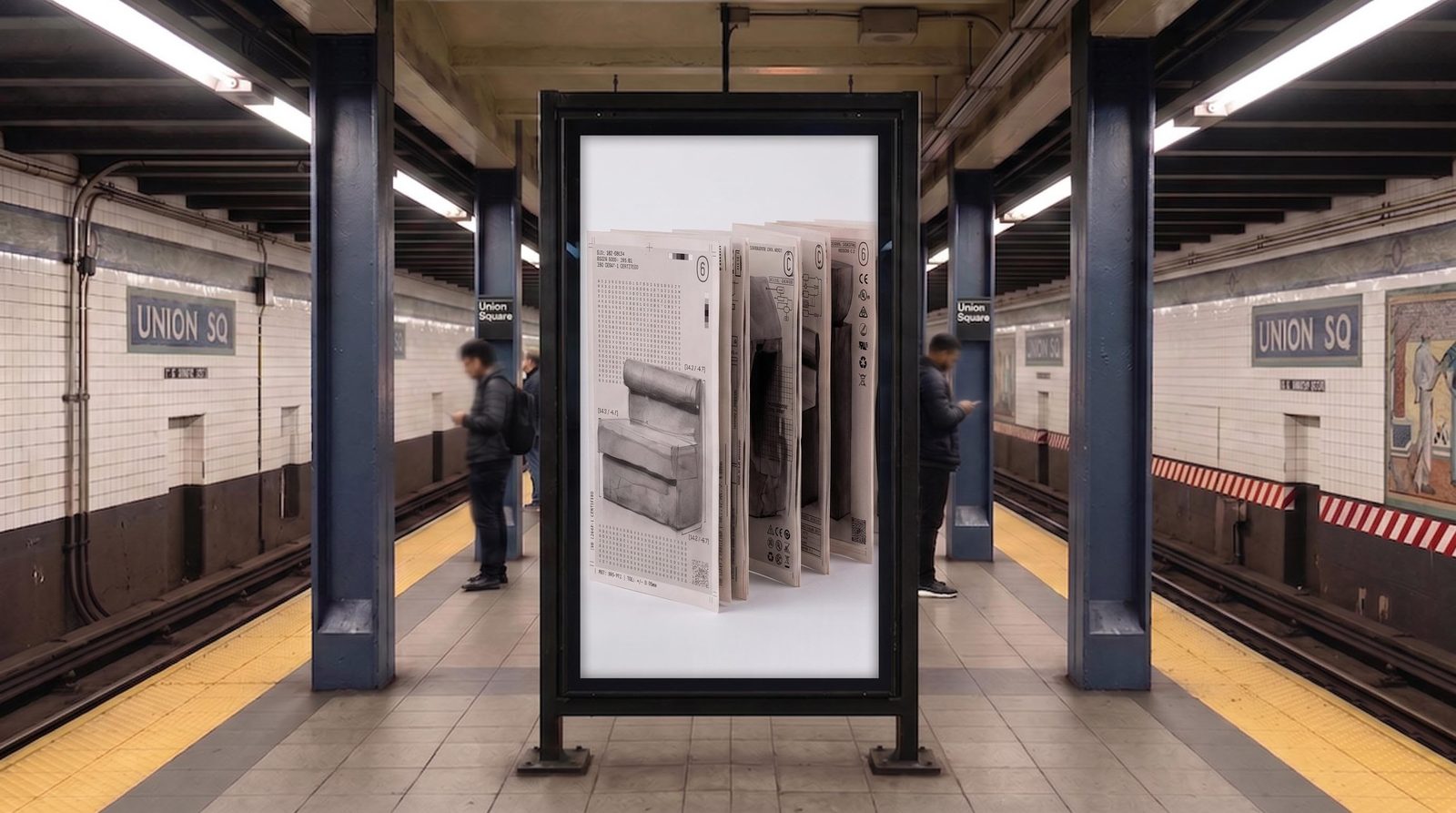
Brand and campaign production
Build imagery, editable layouts and motion studies around the client’s visual direction.

Film and product treatments
Develop settings, frames and short shot studies for a clearer creative proposal.
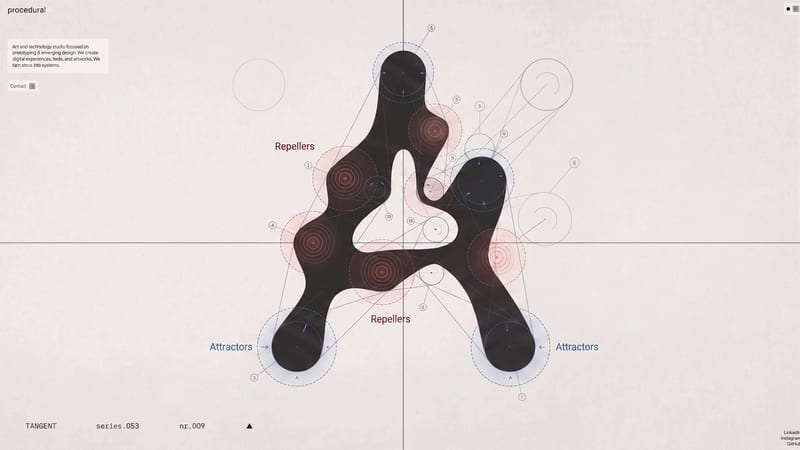
Interactive client experiences
Create a live microsite with Apps or an interactive visual with Creative Code.
Yes. Organize projects into workspace or team folders and choose who can view or edit them. Team membership and folder settings determine access, so you can structure the workspace around the people working on each account.
Yes. Develop the image the reference deck is missing, explore distinct campaign routes and compose the selected work into a presentation. When the idea depends on interaction, build a running App or a Creative Code study. Show a client how the concept could behave, not only how you would describe it.
Yes. Compositor supports editable text, image, video, vector and 3D layers, with masks and layout controls. Use original brand assets and set the type directly instead of relying on a generated image to reproduce them.
Keep references, generation steps and editable layouts in the project. Change the relevant image, offer or design element instead of treating every revision as a new brief. You can retain earlier routes for comparison and develop the selected direction with the decisions around it still visible.
Yes. Fuser Apps builds running websites, useful for campaign destinations and interactive concepts. Creative Code supports custom programmable visuals and interactive sketches. Bring the same brand assets into those pieces that you use in the campaign, then refine each deliverable for the experience it needs to provide.
Fuser Teams includes shared workspace organization, team and folder access controls, and SSO through SAML or OIDC. Recipes let the agency reuse creative processes across projects. You can organize around accounts and disciplines while giving each team access to the work it needs.
Turn the connected generation steps into a Recipe with the inputs the next designer needs to change. Add clear descriptions and retain the source references in the project. The team gets a working process to build on, while art direction and final design decisions remain part of each brief.
Develop the pitch, work through the changes and leave the team with a process it can use again.