One click, whole workflow
Recipes are here. Package a whole workflow and run it in one click
Explore recipesOne click, whole workflow
Recipes are here. Package a whole workflow and run it in one click
Explore recipesbyGoogle DeepMind
Google's newest Nano Banana renders sharper text and holds faces steadier. Fuse up to 10 references and retouch a photo by saying what to change.
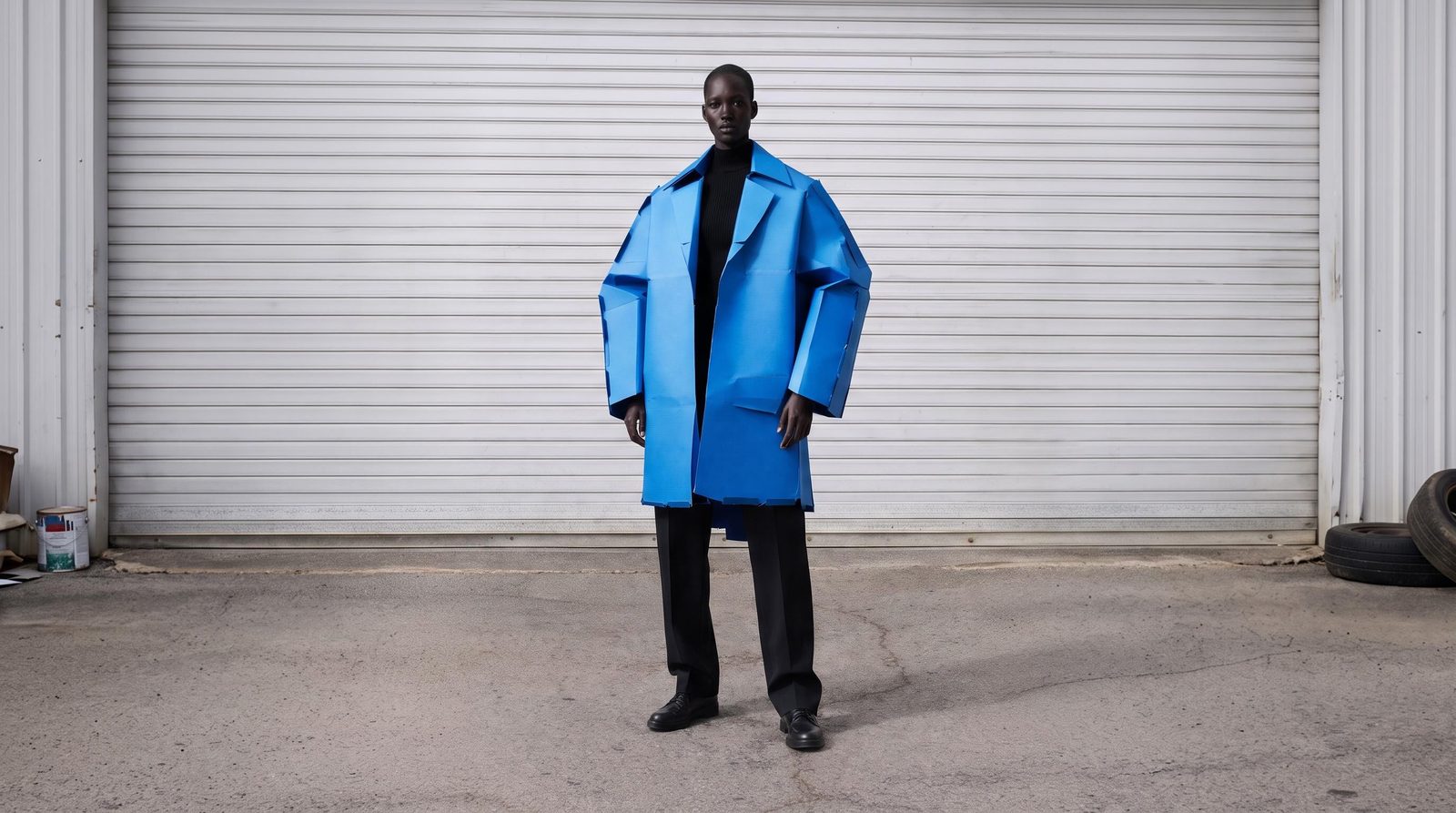
You work in a back-and-forth: hand over references with roles, say what you want in full sentences, and refine the result the way you'd brief a retoucher.
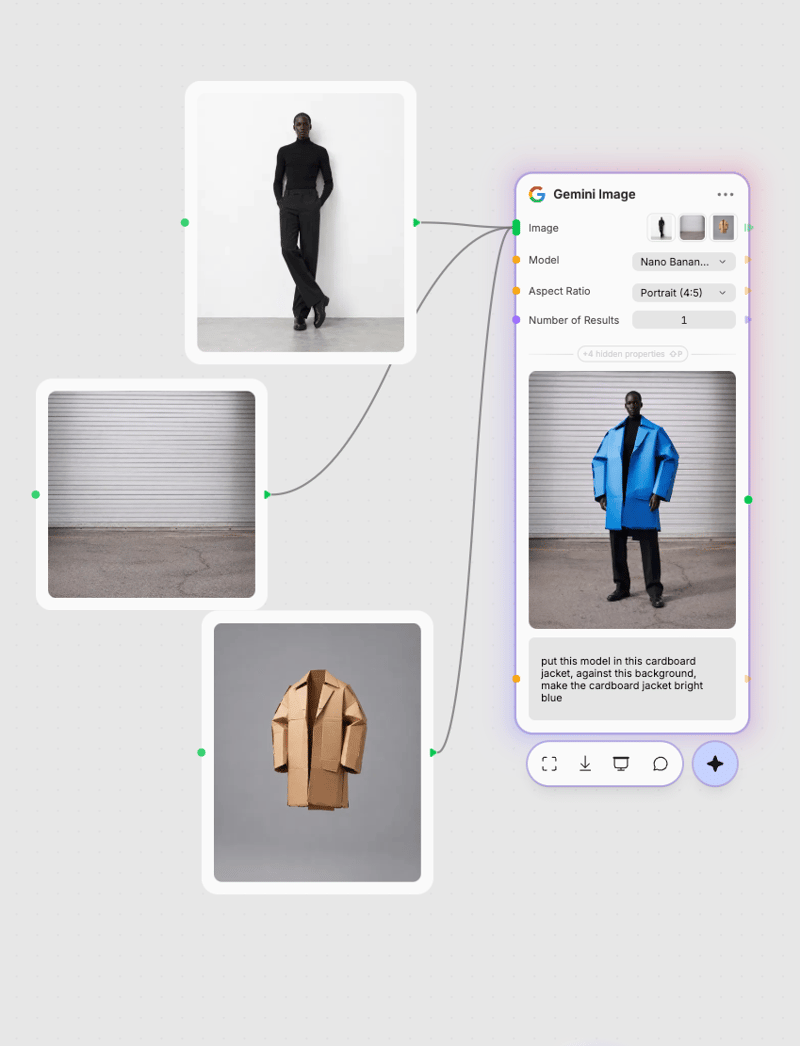
Upload your references
Add up to 10 images and name each one's role: the character, the garment, the room, or the look to borrow.
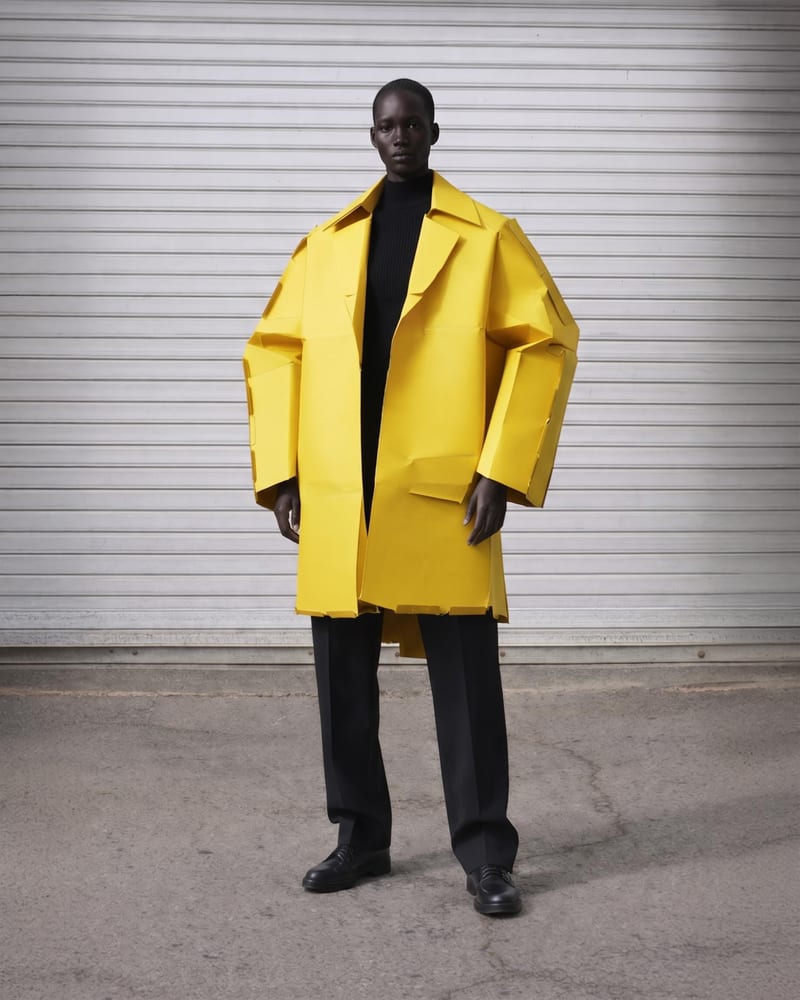
Direct it like a creative director
Write full sentences for a new scene, or state one change and a keep-list for an edit, such as 'change only the jacket; keep face and background'.
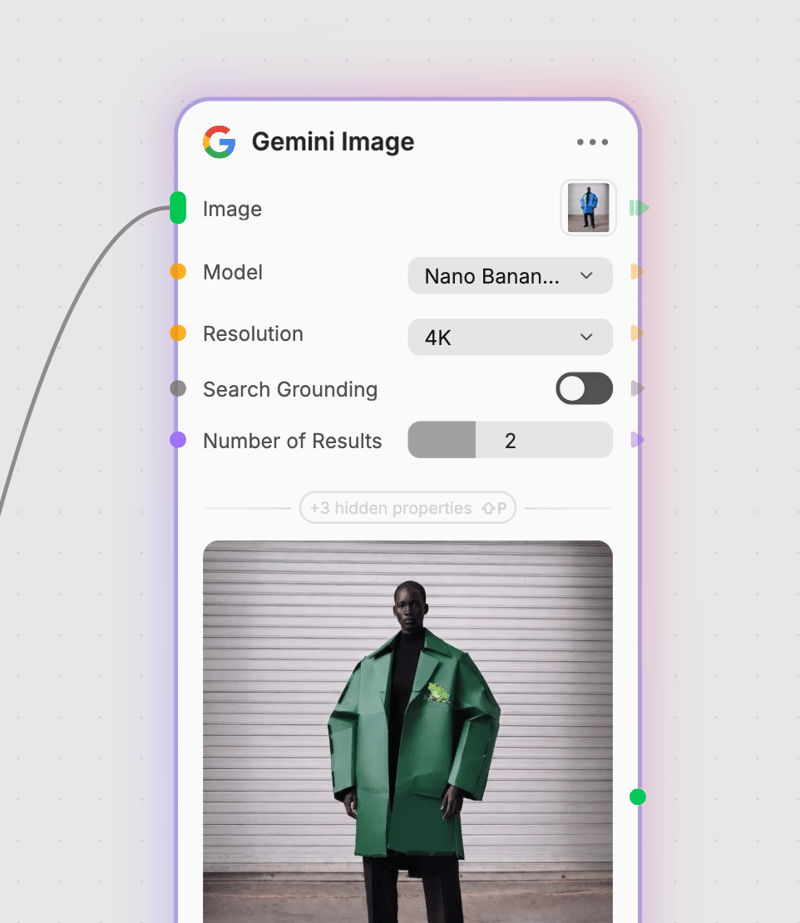
Pick a tier and resolution
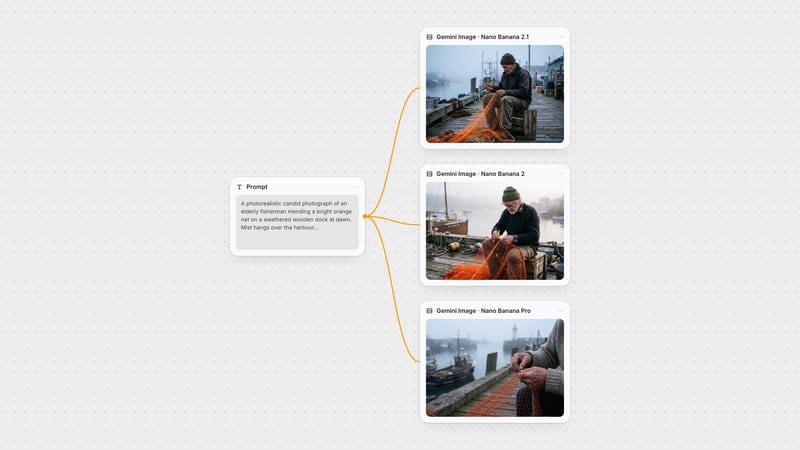
Draft on Nano Banana 2.1 at 1K, then re-render keepers at 2K or 4K, or move the densest layouts to Nano Banana Pro.
Because the image comes from a language model rather than a separate diffusion pipeline, it follows instructions closely, keeps people and products consistent, and writes text you can read. Nano Banana 2.1, the default, improves all three.
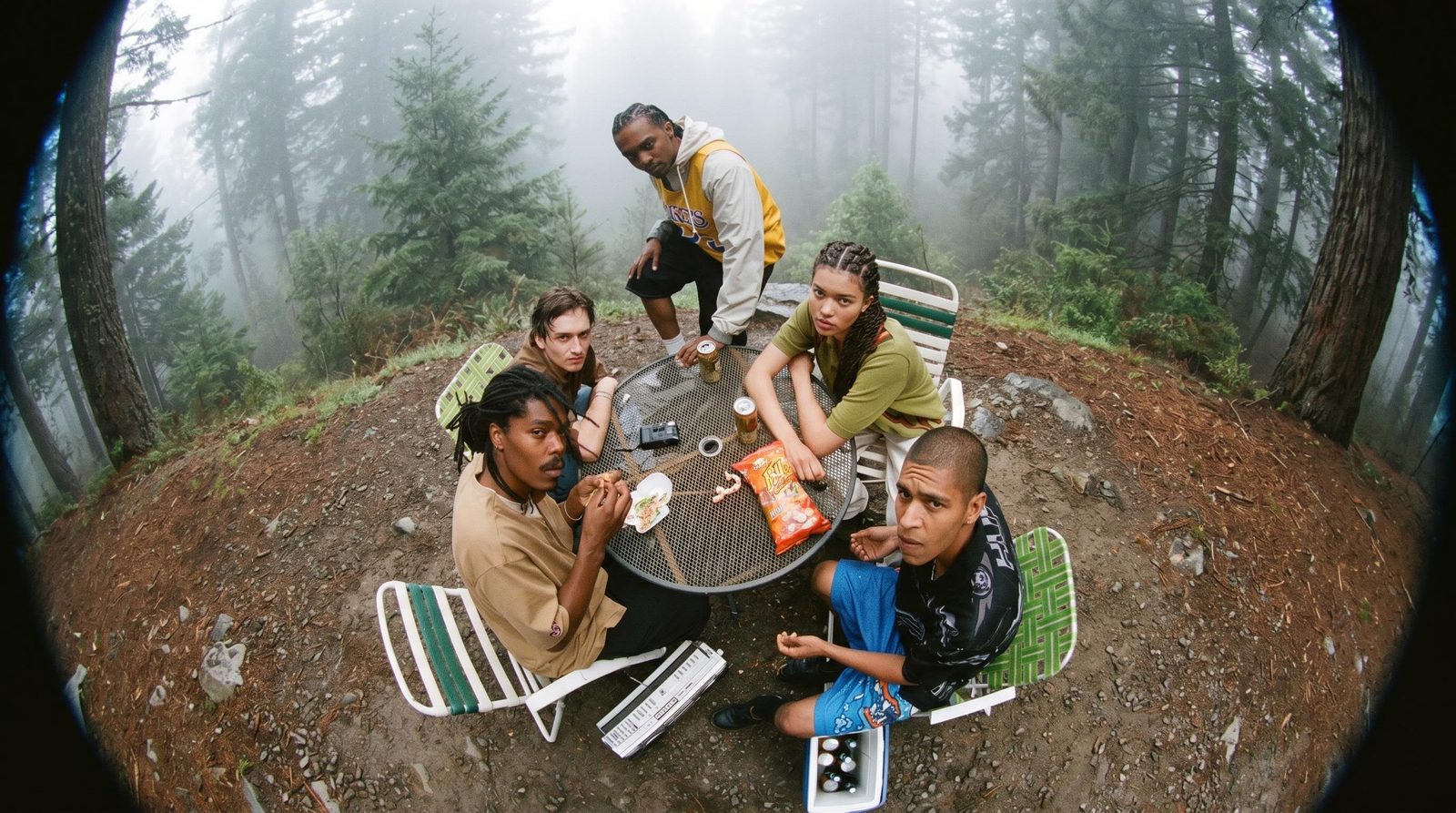
Multi-reference identity fusion
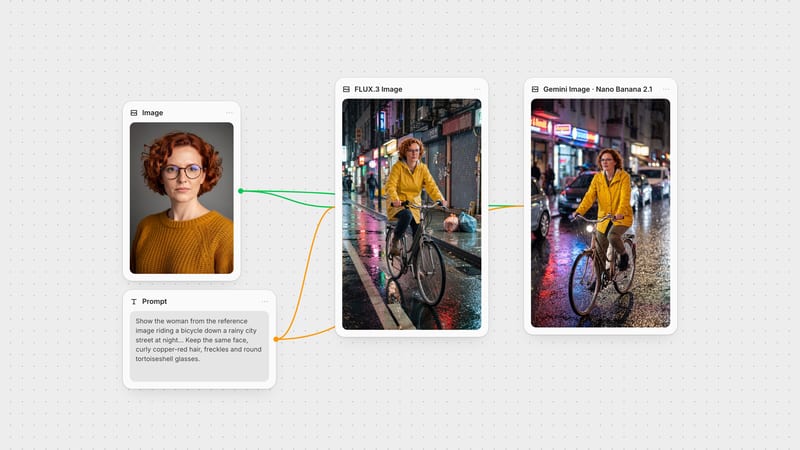
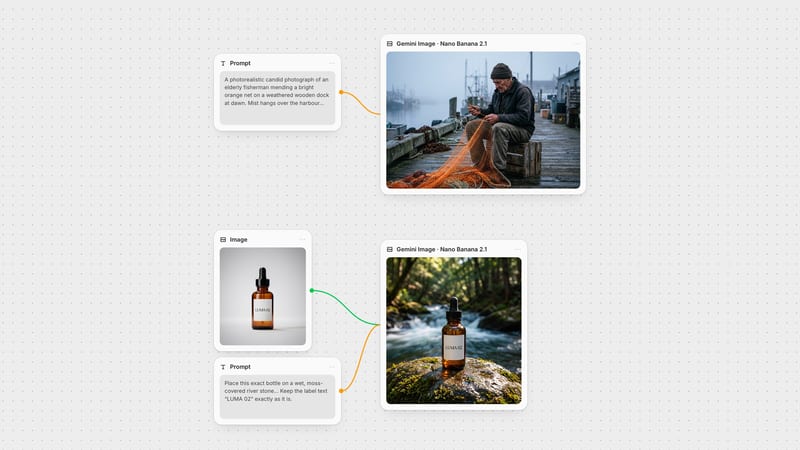
Combine up to 10 reference images so one person, product or wardrobe carries across angles and settings. Google rates Nano Banana 2.1 for up to 4 consistent characters in a single image; name each reference's role to keep identity from drifting.
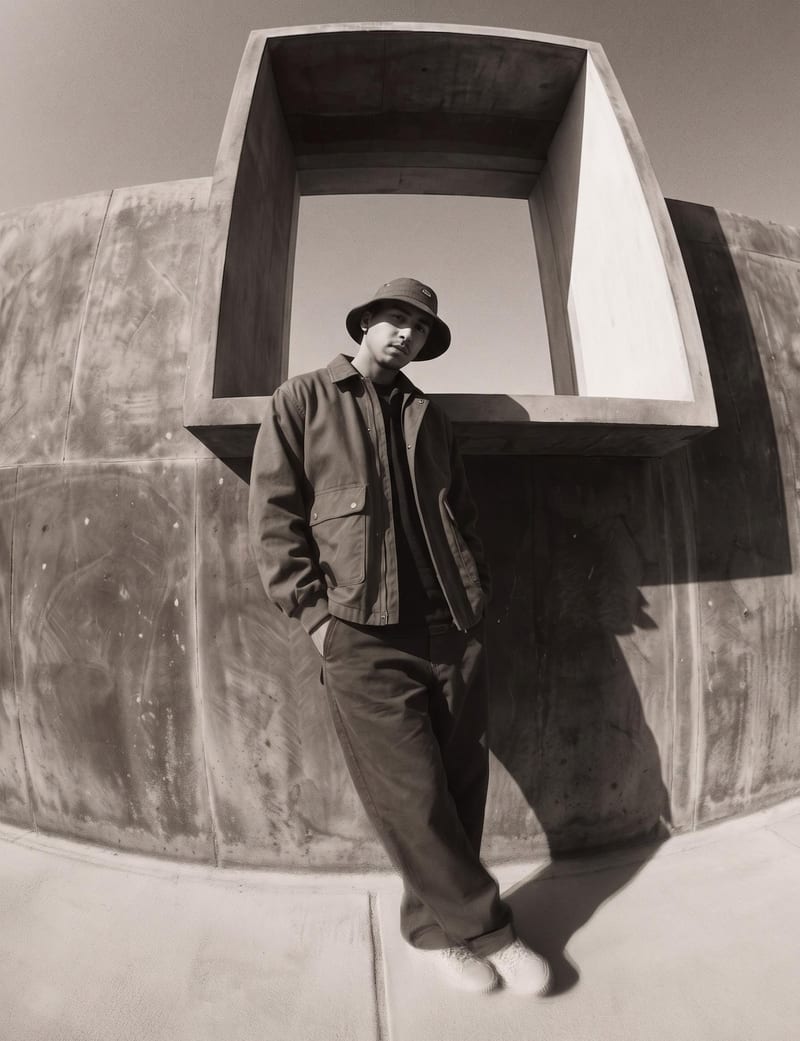
Edits that leave the rest alone
Say what to change and what to keep, and the edit blends into the source's lighting and grain instead of looking pasted on. Swap a jacket, relight a street, or move a character to night.
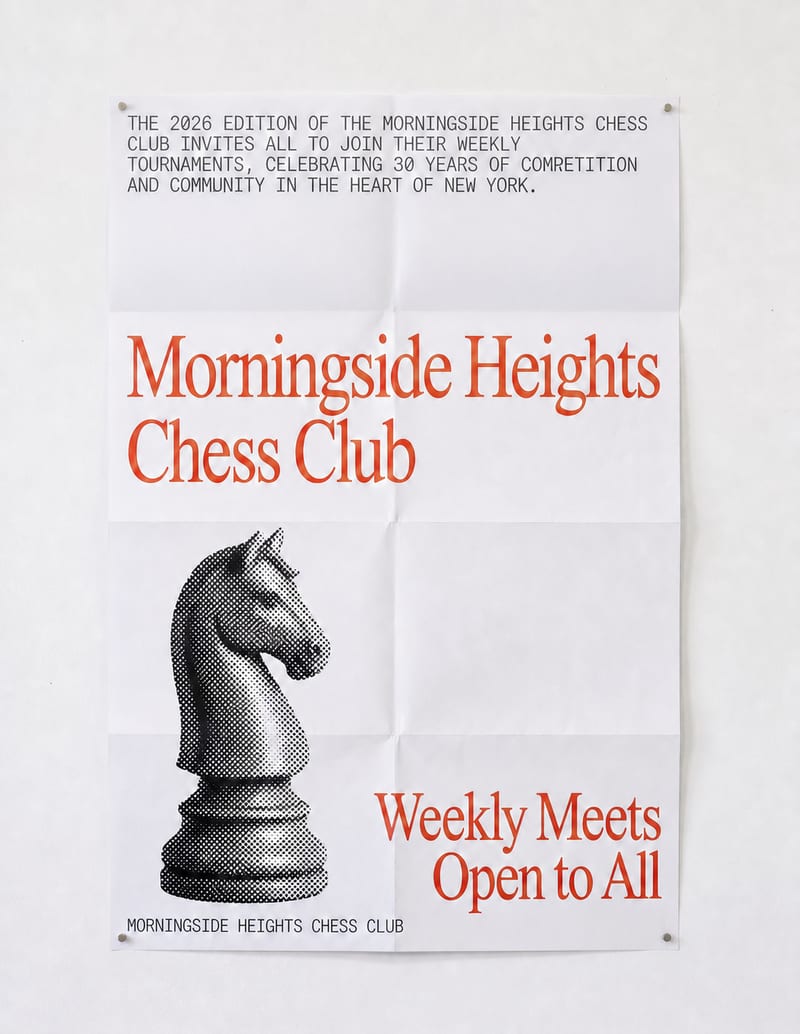
Legible type on the default tier
Nano Banana 2.1 brings sharper text rendering and more accurate infographic layouts to everyday drafts. Put the words in quotation marks and describe font and placement; save Nano Banana Pro for the densest layouts.
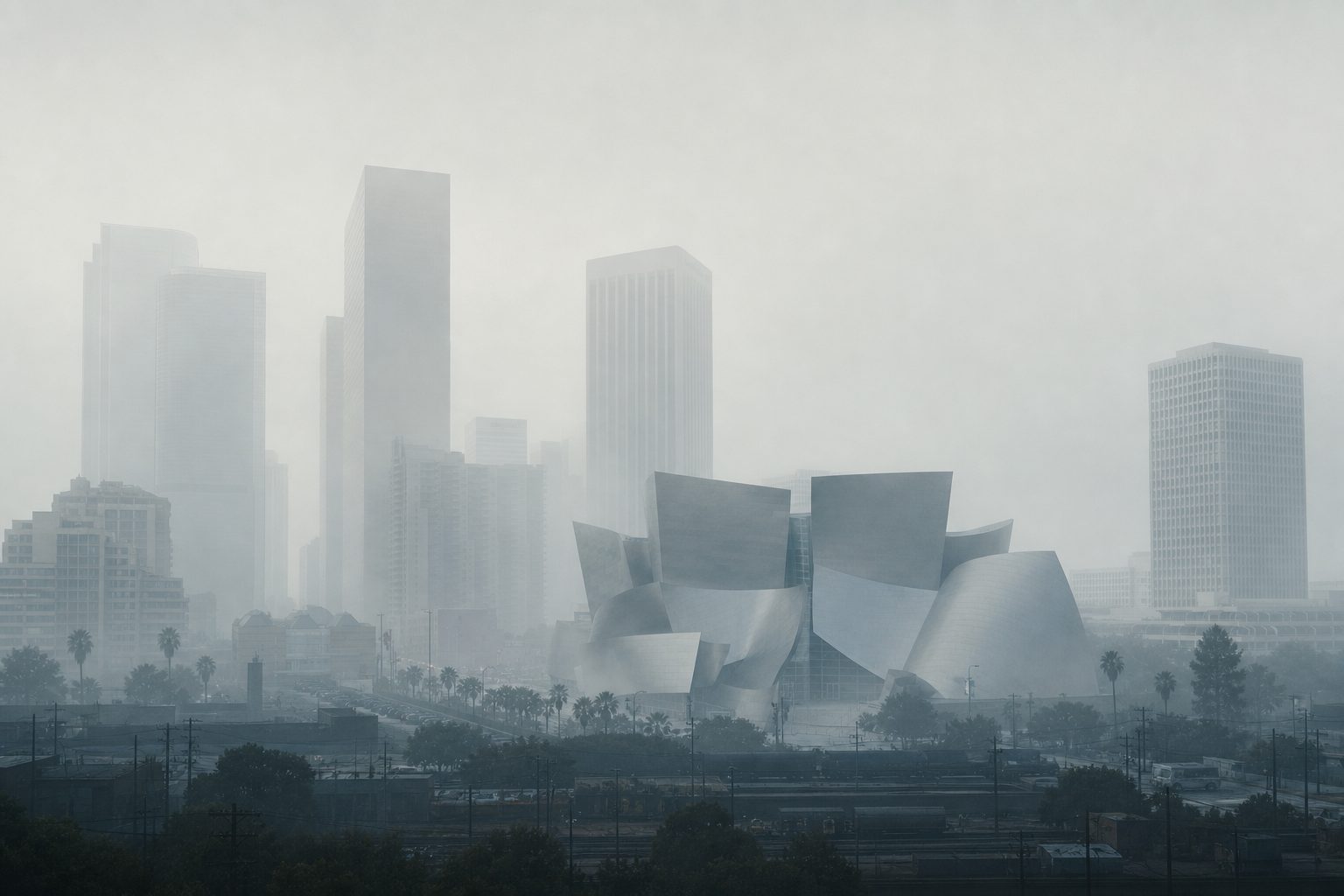
Half-price drafts, up to 4K
Nano Banana 2.1 costs about half what Nano Banana 2 did at 1K and 2K, with better realism at every resolution. Iterate at 1K, then finalize at 2K or 4K without switching models.
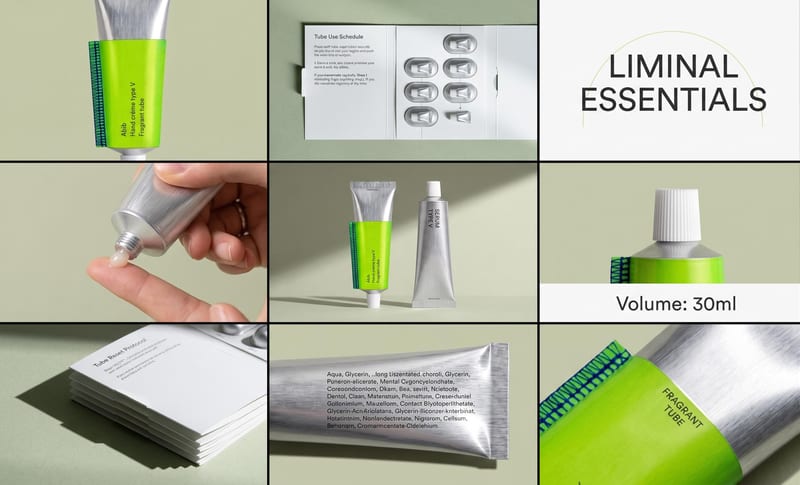
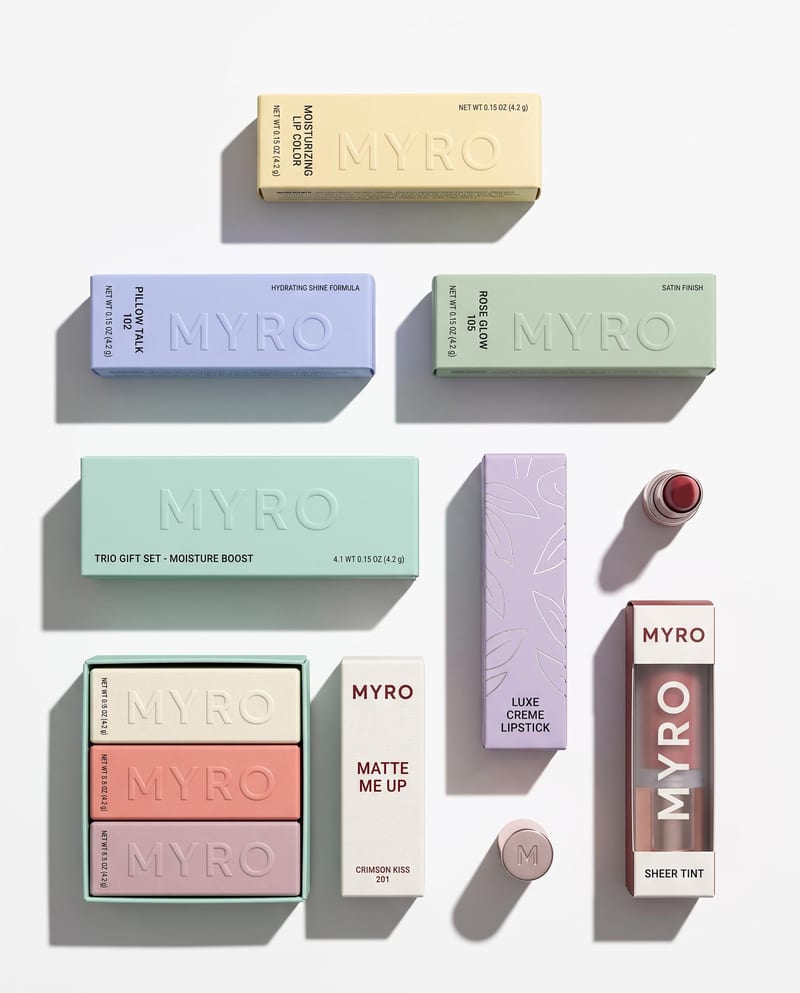
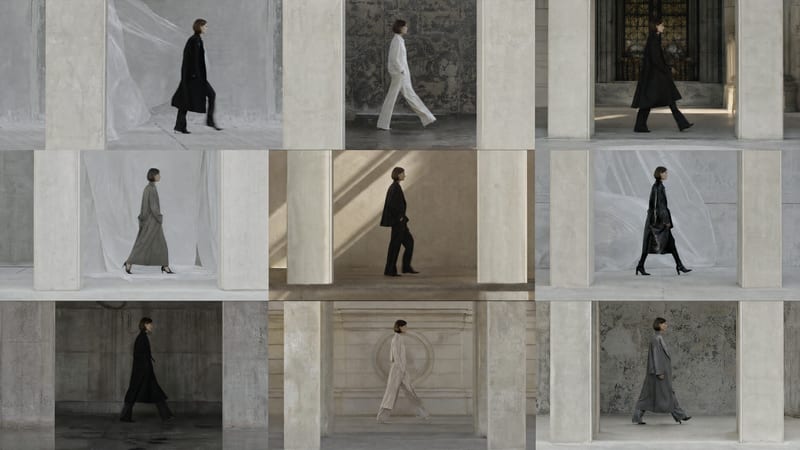
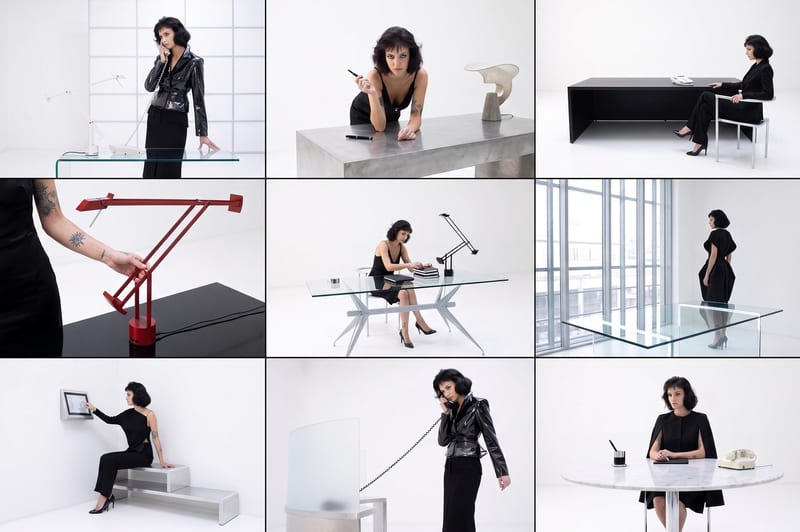
A spread of clean, photoreal frames across interiors, fashion, documentary and product work, each naming a lens, film stock or material to avoid the default stock look.
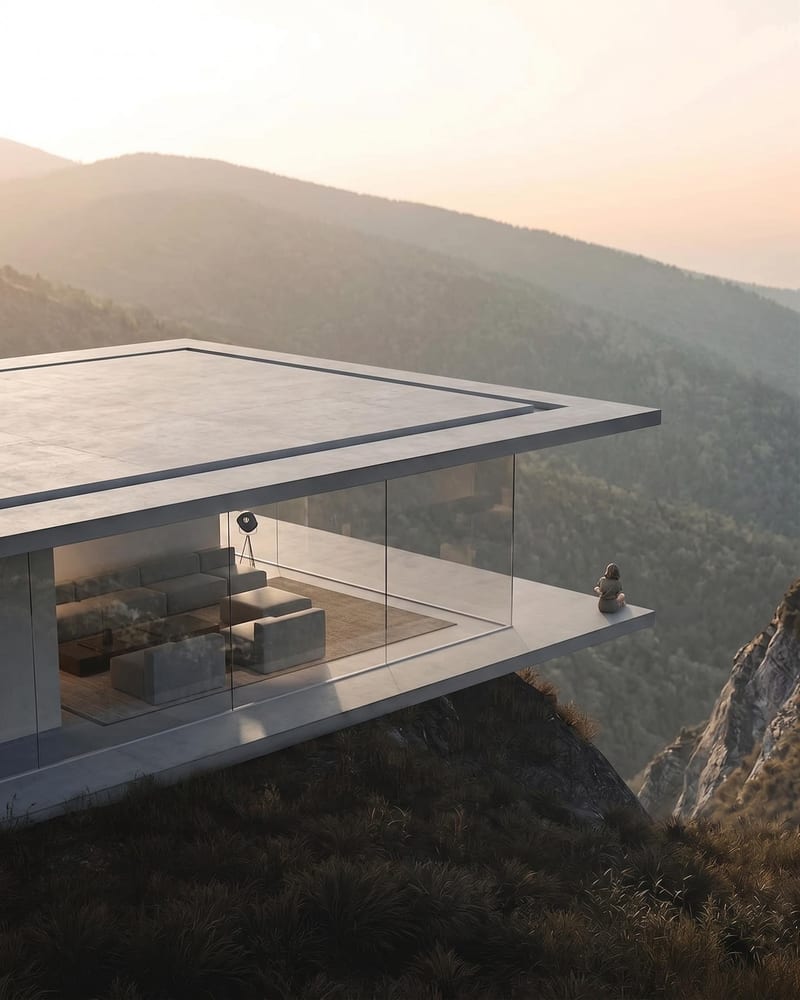
Sculptural interior visualization
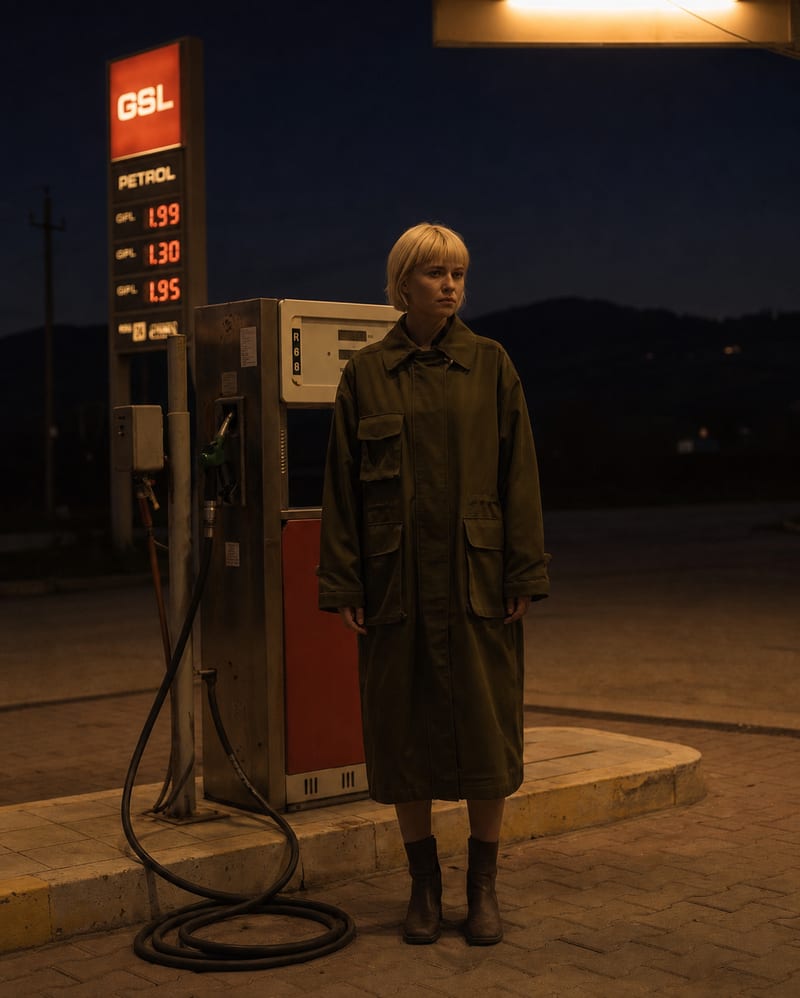
Cinematic night portrait at a lone petrol pump
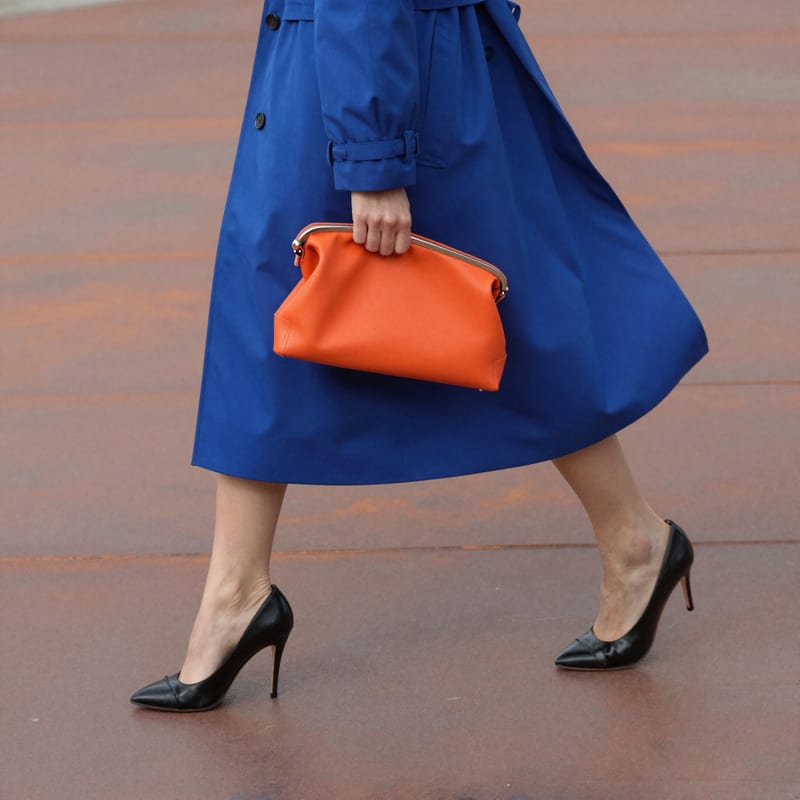
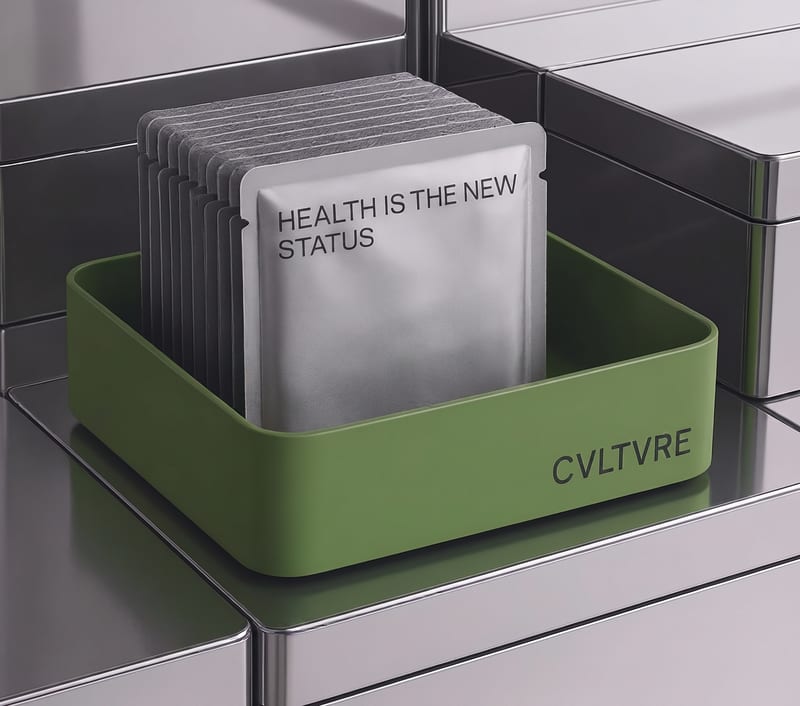
Luxury brand product with high-contrast palette
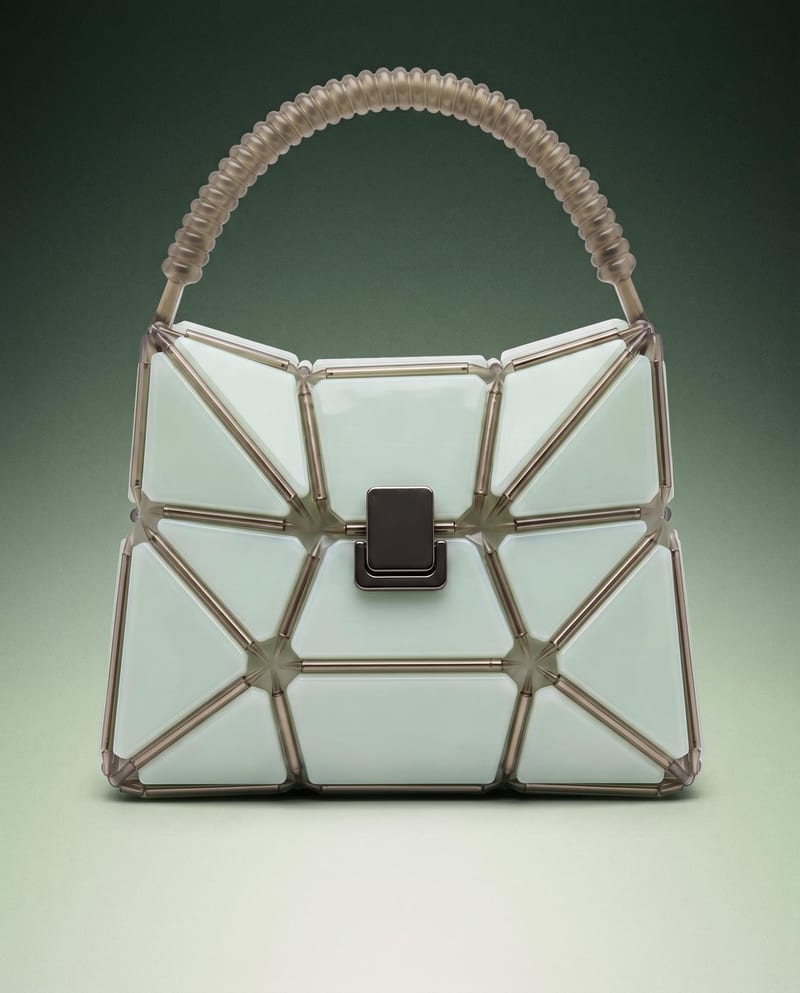
Tabletop commercial still
Fashion teams, storyboard artists, poster designers and product studios use it when a set of images has to feel like one project.
Yes. Nano Banana is the nickname for Google's Gemini Image family, and this node covers its tiers: Nano Banana (2.5 Flash), Nano Banana 2 (3.1 Flash), Nano Banana 2 Lite, Nano Banana Pro (3 Pro), and a Nano Banana 2.1 refresh that is the default.
Google released Nano Banana 2.1 on 6 October 2026 as the successor to Nano Banana 2 (Gemini 3.1 Flash Image). It improves visual quality and realism at 1K, 2K and 4K, renders text and infographic layouts more accurately, and holds characters more consistently. It also costs about half as much as Nano Banana 2 at 1K and 2K. Nano Banana Pro remains the pick for the densest text and most complex layouts.
Yes. Google deprecated Nano Banana 2 (gemini-3.1-flash-image) on 6 October 2026, will shut it down on 29 October 2026, and names Nano Banana 2.1 as its replacement. New Gemini Image nodes already default to Nano Banana 2.1; switch the Model on older nodes to keep them running.
Up to 10 images per request. Each can act as an edit target, subject, object or style reference, so tell the prompt what each one is for, for example 'the person from the first image wearing the coat from the second'. Clear, well-lit shots, ideally a multi-angle character sheet, hold identity best.
It is weak at pixel-exact masked inpainting, vector or flat logo art, seed-locked reproducible output and very stylized painterly looks. Small or long text can blur at 1K, and identity can drift over long edit chains. The lite and 2.5 tiers also don't guarantee true 4K, since they render at the nearest size they support.
Google DeepMind made it. The family began with Gemini 2.5 Flash Image on 26 August 2025. Nano Banana 2.1, the newest tier and this node's default, was released on 6 October 2026.
Fuse up to 10 references, hold a character's face across scenes, and retouch a photo by simply saying what to change
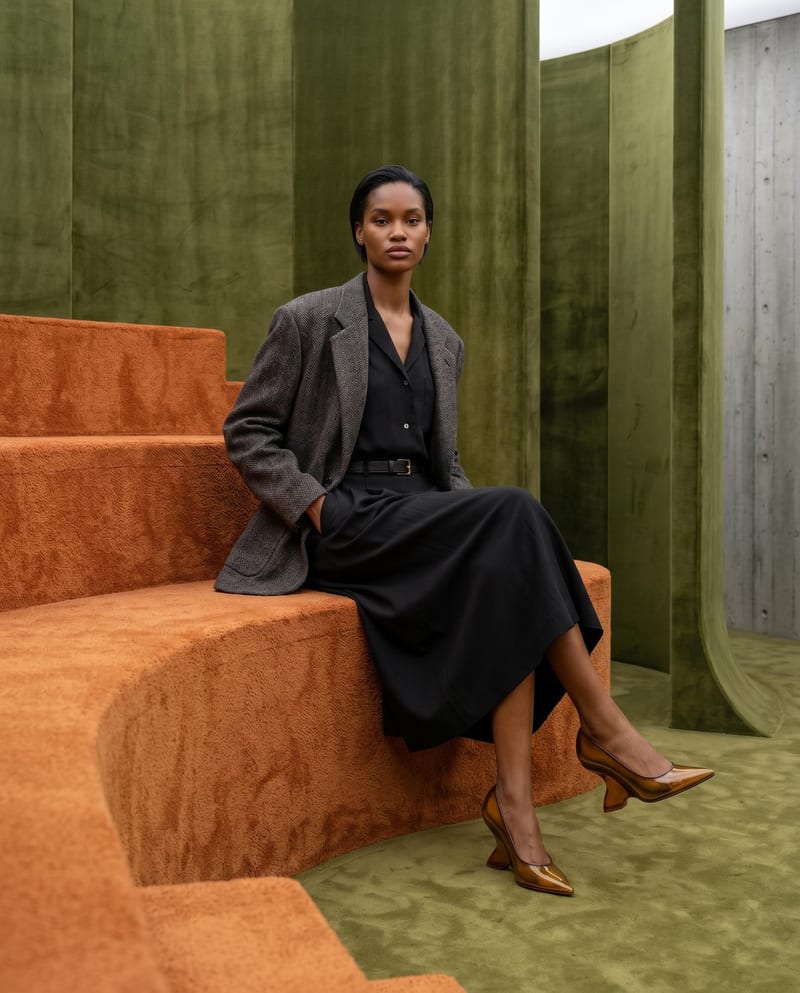
Combine model, accessory, location, and pose inputs into a fashion photography composition.
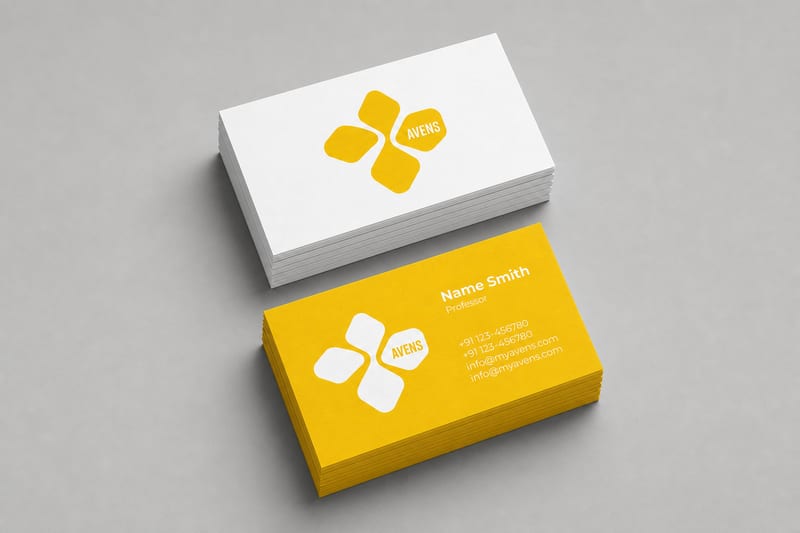
Turn one logo into business card, letterhead, tote bag, socks, hat, and shirt mockups.
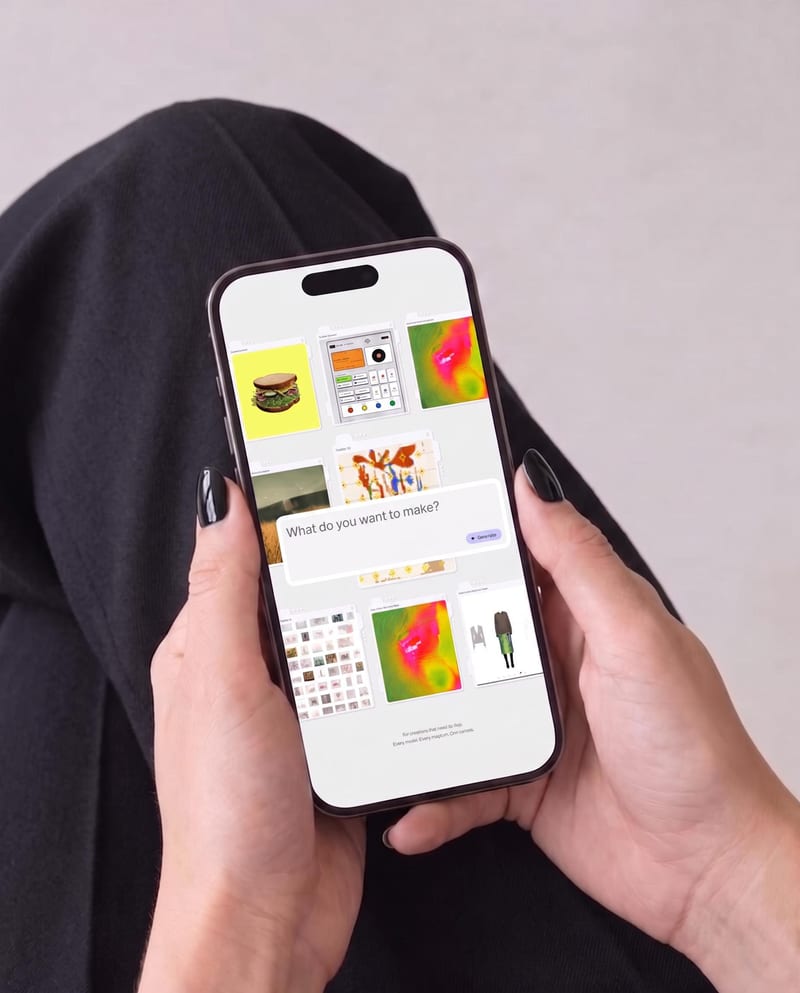
Place one UI design image into phone, tablet, and desktop mockups for realistic product presentation previews.
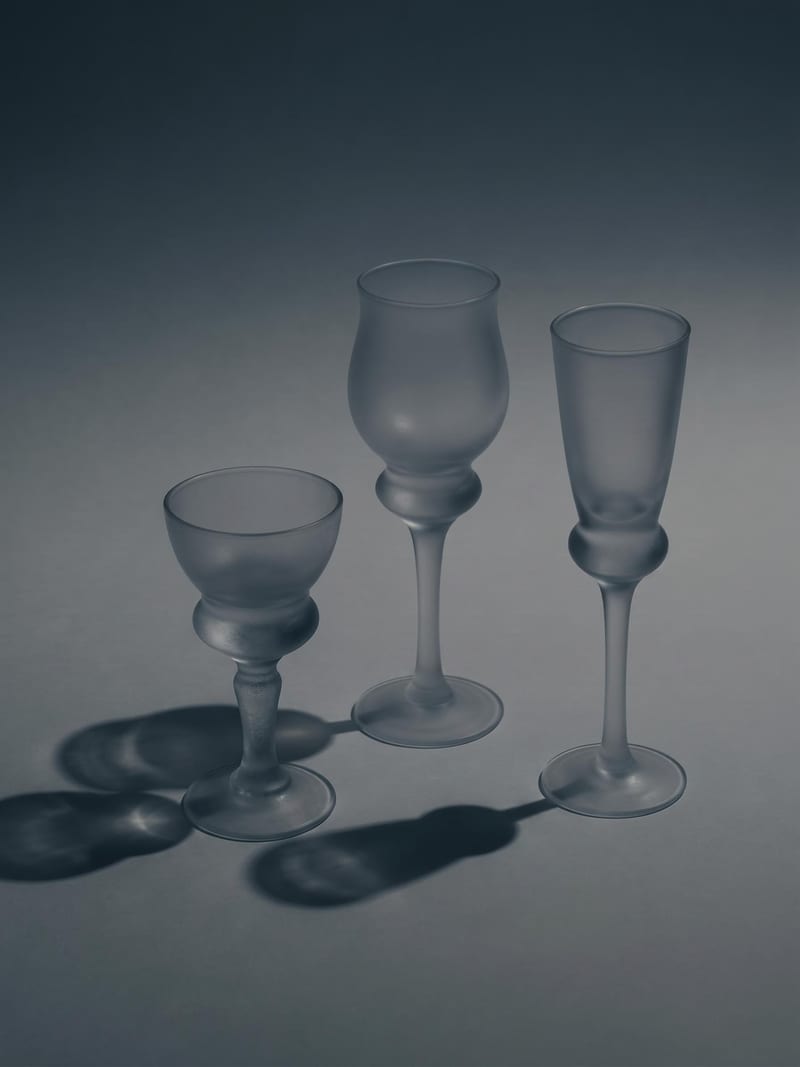
Upload one image to explore six lighting versions, from studio daylight and soft white to dramatic spotlight and golden hour.
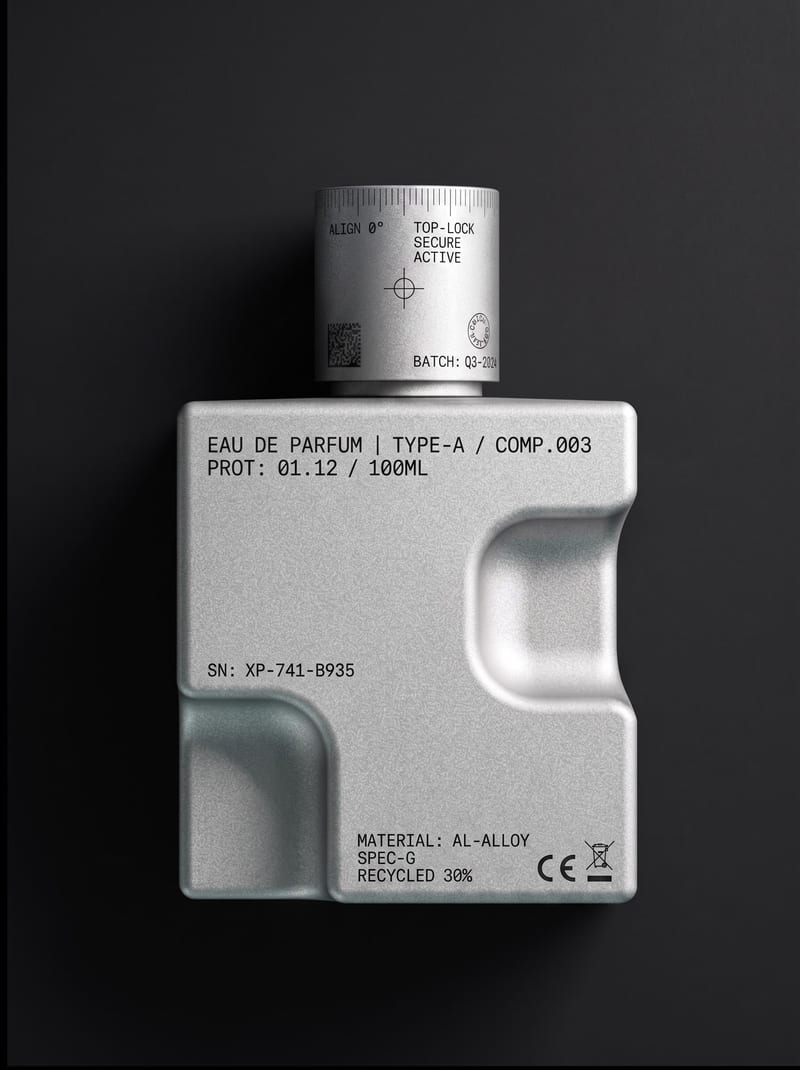
Upload an object or image and receive an image showing that object with micrographics added.
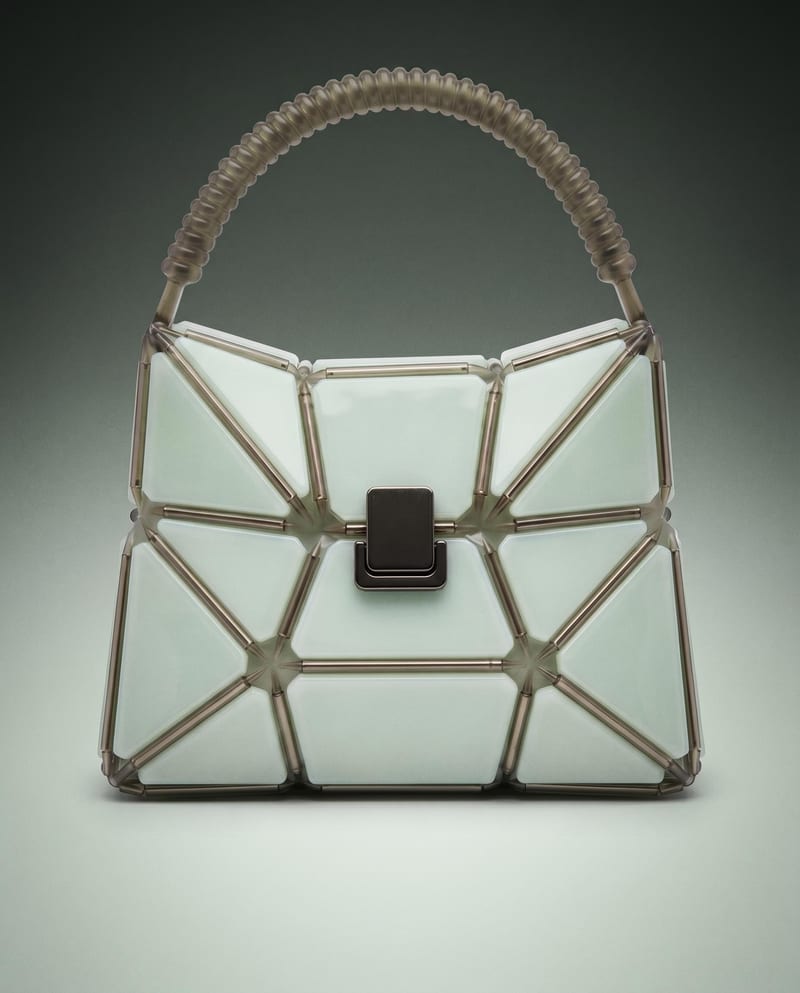
Use a product image to create studio, handheld, and poster shots for product advertising and brand presentations.
Develop pitches, campaign assets and interactive client work in Fuser. Combine AI generation, editable design and reusable processes across your agency.
Create product images, lifestyle scenes and campaign assets for your next ecommerce launch. Keep branding editable and reuse creative setups in Fuser.
Build working product demos, launch pages and brand visuals in Fuser. Help a small startup team turn the next idea into something people can try.
Develop on-person garment imagery, editorial concepts and lookbook layouts. Bring collection references, virtual try-on and editable design together in Fuser.
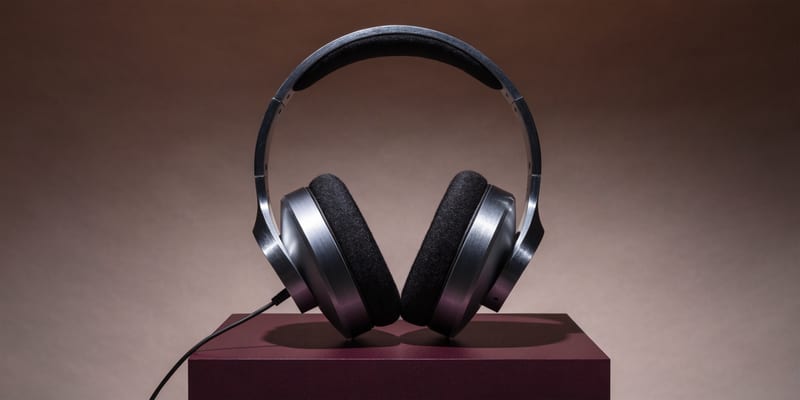
Develop campaign concepts, image and video ads, and editable channel layouts. Create meaningful creative variations in Fuser without rebuilding every asset.
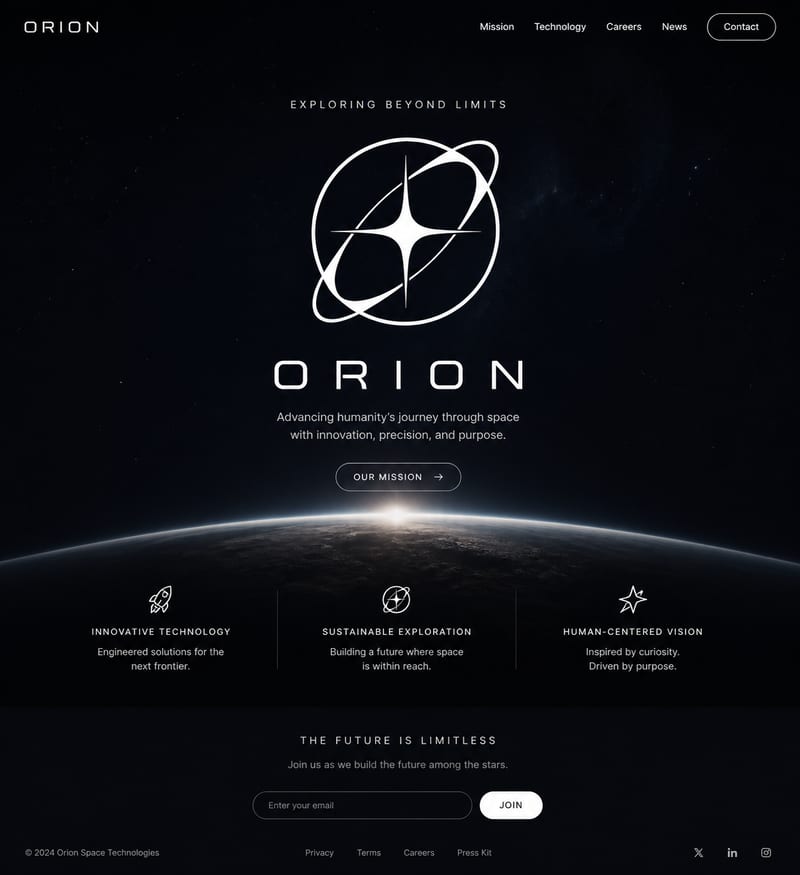
Explore a brand’s visual identity, refine typography and build real applications. Combine AI imagery with editable design and reusable workflows in Fuser.
Turn a creative brief into distinct visual concepts, moodboards and pitch layouts. Explore references, imagery and motion together in Fuser.
Turn a UI or UX idea into a working web prototype. Create its visual assets, refine the interaction and share a live Fuser App for feedback.
Create studio-style product images, lifestyle scenes and motion studies. Combine reference-led generation with precise, editable composition in Fuser.
Create social graphics, carousel artwork and short videos with a recognizable brand style. Keep copy editable and recurring content easier to produce in Fuser.