One click, whole workflow
Recipes are here. Package a whole workflow and run it in one click
Explore recipesOne click, whole workflow
Recipes are here. Package a whole workflow and run it in one click
Explore recipesbyLatent Consistency Model Team & Stability AI
Ultra-low-latency illustrative drafting and rapid layout exploration for interactive canvases and instant creative previews

Move from initial concept to rapid visual iteration in milliseconds with streamlined controls.
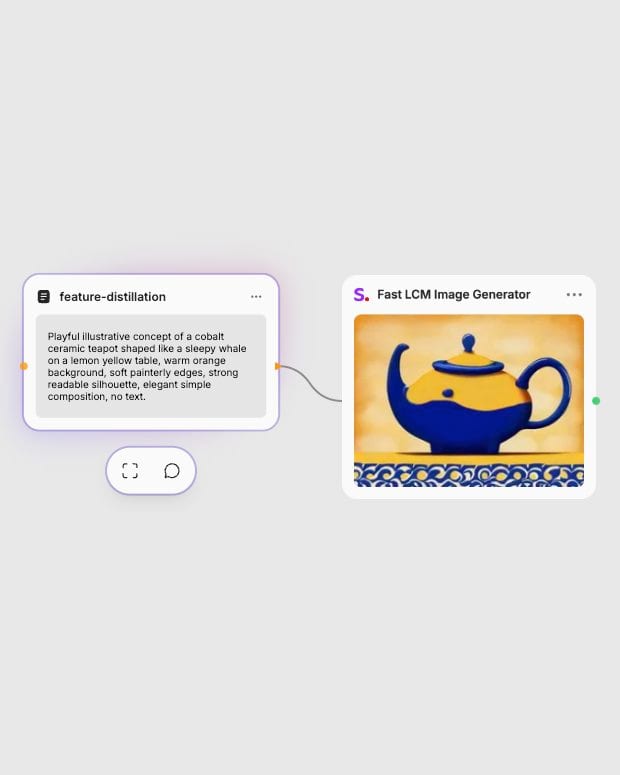
Define your concept
Enter your core visual subject, focusing on broad styles, clear lighting, and bold materials.
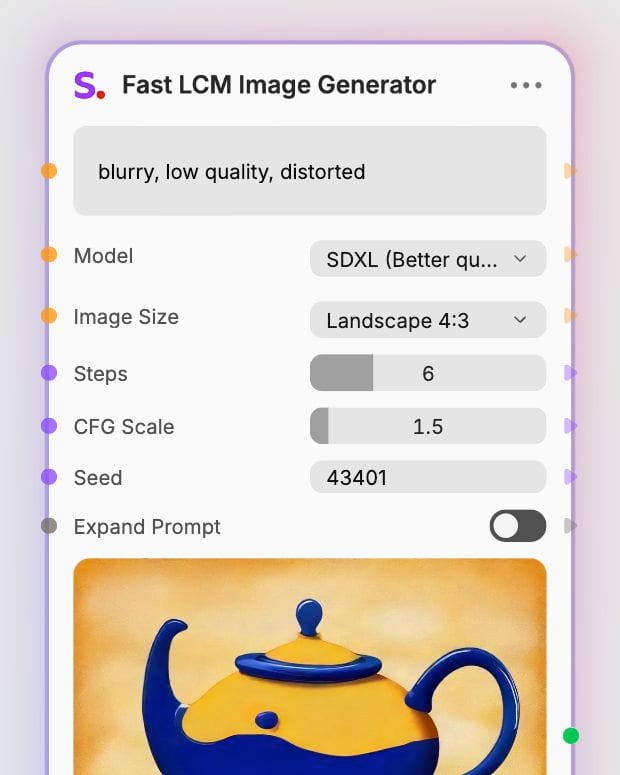
Select model and steps
Choose between SDXL for richer structure or SD v1.5 for ultra-fast generation loops between 4 and 8 steps.
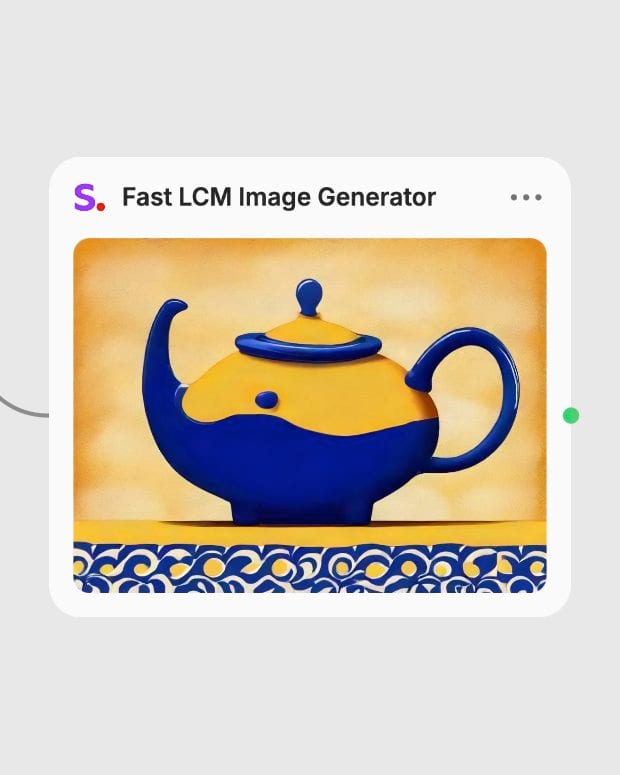
Generate in real time
Render your conceptual draft in milliseconds, refining prompts dynamically as you iterate.
Engineered for ultra-responsive generation loops, low-step distillation, and rapid stylistic exploration.
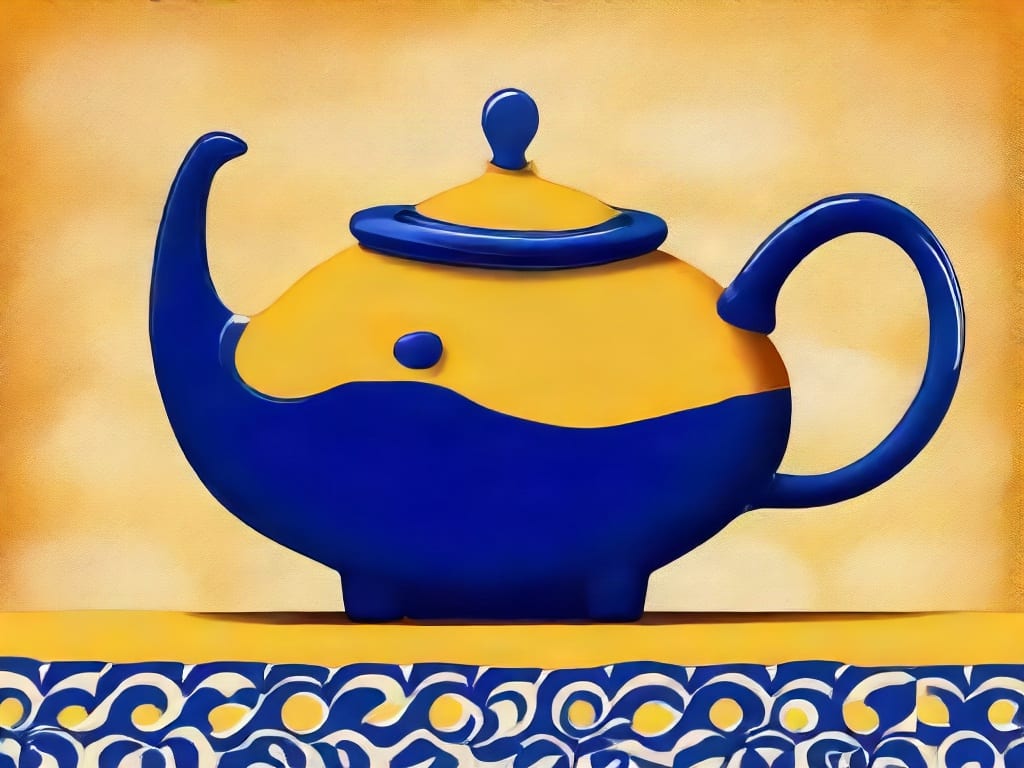
Sub-Second Consistency Distillation
Distilled consistency mapping bypasses traditional 50-step denoising loops, synthesizing coherent visual drafts in 4 to 8 steps with near-instant responsiveness.
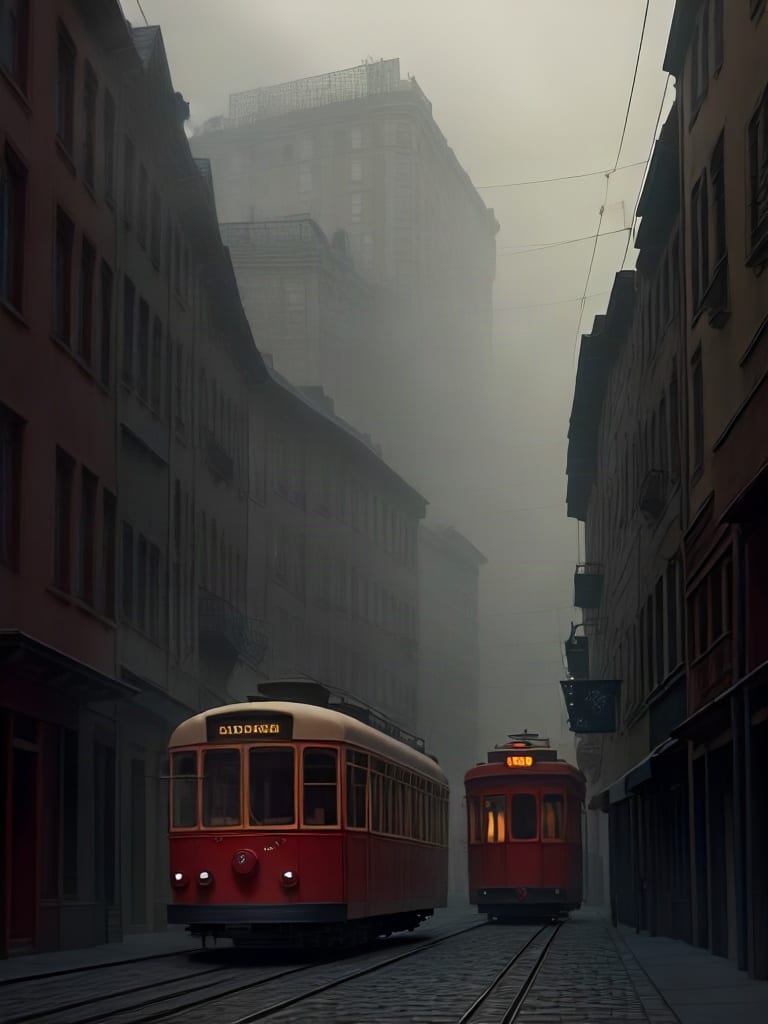
Dual Backbone Selection
Switch between SDXL for sharper structures and richer background definition, or SD v1.5 for maximum loop velocity and nostalgic soft-focus tones.
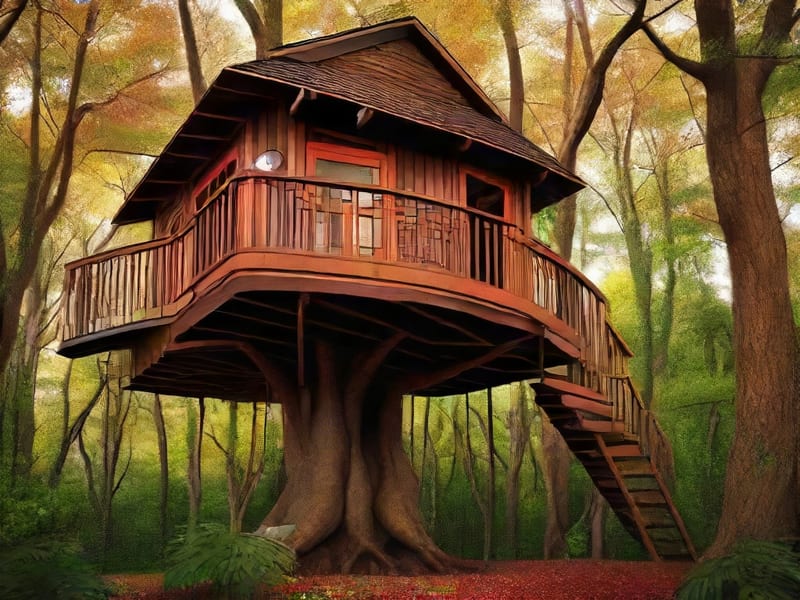
Automated Prompt Expansion
Built-in prompt expansion automatically augments terse, single-word inputs into detailed scene descriptions without requiring manual prompt engineering.

Soft Illustrative Output
Pre-distilled low CFG sampling delivers smooth gradient blends and painterly color fields without high-contrast burning artifacts.
Explore rapid conceptual drafts, bold graphic compositions, and illustrative frames created in single-digit step passes.
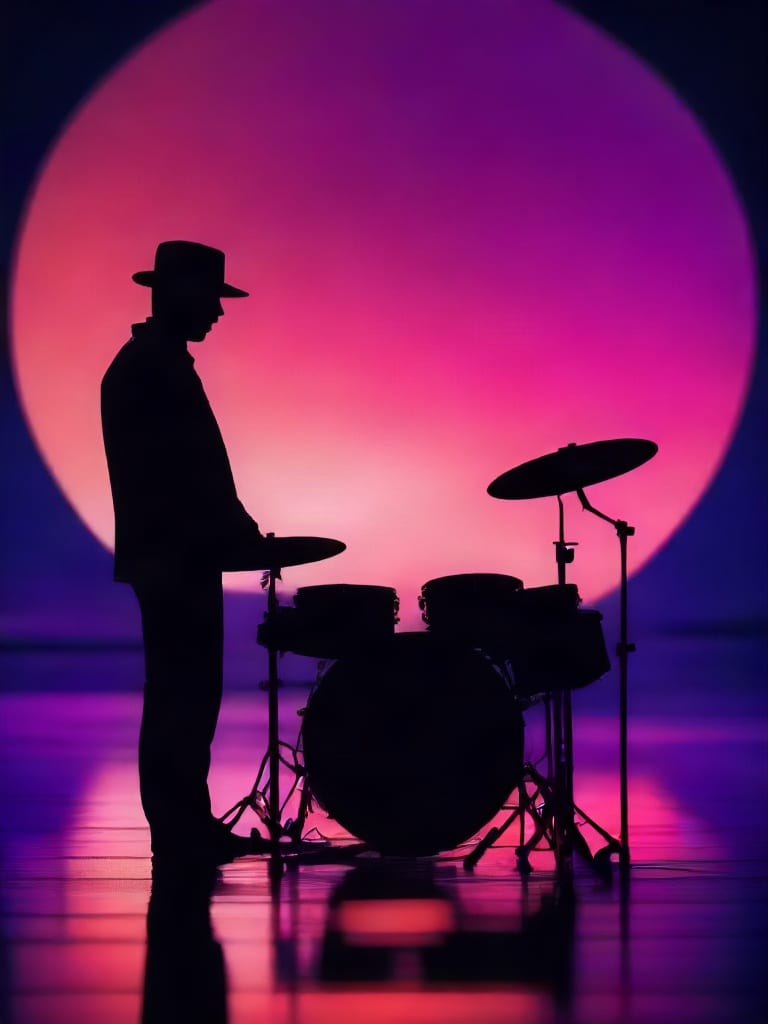
Cinematic music-video freeze frame
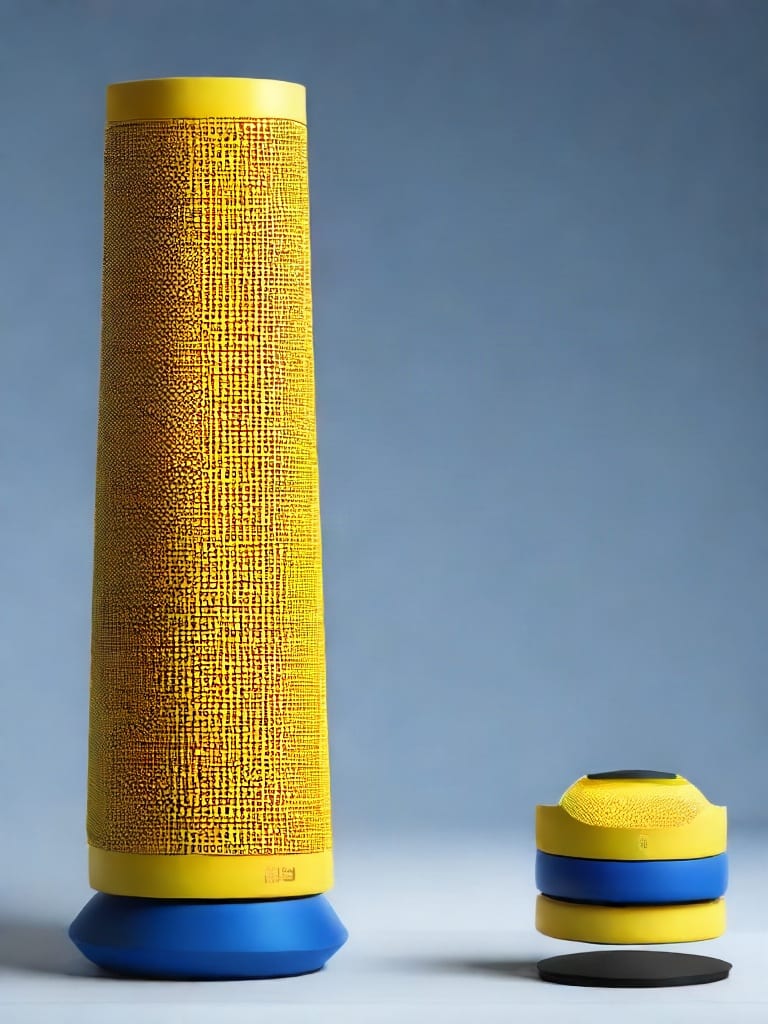
Sharp product campaign still

Editorial fashion composition
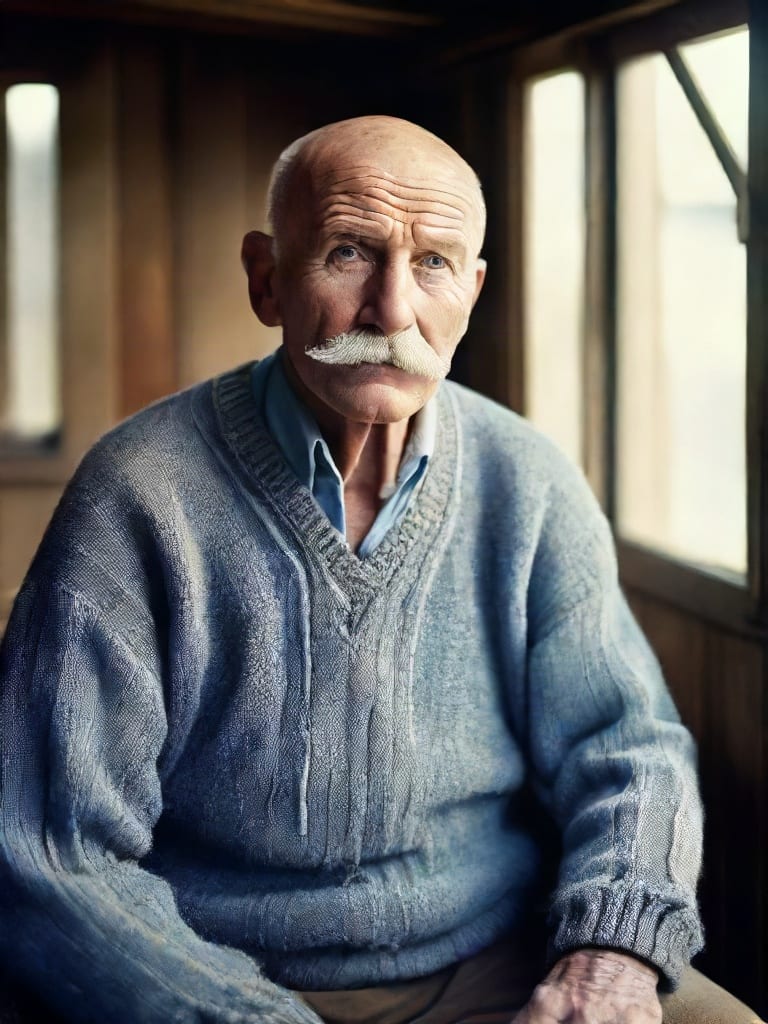
Archival documentary portrait
Discover how designers, developers, and creative directors use rapid consistency generation to power live tools and instant concepting.
LCM stands for Latent Consistency Model, an acceleration method that distills multi-step diffusion processes into single-digit inference passes. Fast LCM uses this architecture to generate image drafts in 4 to 8 steps rather than the traditional 20 to 50 steps.
SDXL provides sharper outlines, better structural coherence, and higher-resolution fidelity, whereas SD v1.5 prioritizes maximum generation speed with a softer, dreamier aesthetic. Choose SDXL for clean product layouts and SD v1.5 for instantaneous prototyping.
Fast LCM works best with guidance scale values between 0.0 and 1.5, with 0 being the default distilled baseline. Raising the scale above 1.5 leads to severe oversaturation, burned outlines, and pixel artifacts.
Fast LCM is optimized for sub-second visual ideation, real-time interactive canvases, UI previews, and rapid storyboarding. It is not designed for photorealistic micro-textures, crisp typography, or intricate multi-subject anatomy.
Ultra-low-latency illustrative drafting and rapid layout exploration for interactive canvases and instant creative previews