One click, whole workflow
Recipes are here. Package a whole workflow and run it in one click
Explore recipesOne click, whole workflow
Recipes are here. Package a whole workflow and run it in one click
Explore recipesbySaining Xie & Zhuowen Tu (HED) / ControlNet Community
Transform photographic boundaries into organic, sketch-like soft edge maps for flexible ControlNet guidance
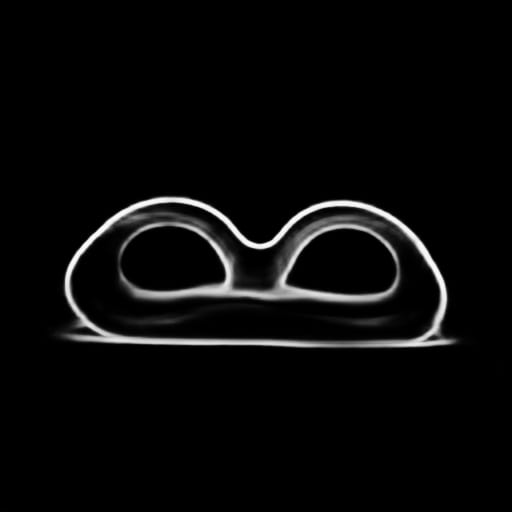
Convert raw source photography into clean, expressive soft-edge conditioning maps in three direct actions.
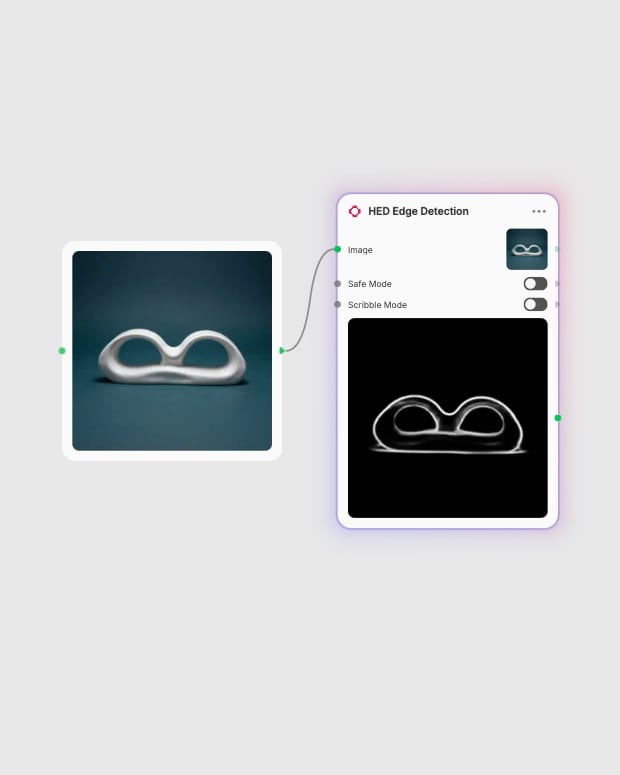
Upload Source Image
Upload a high-contrast photograph or render with clearly defined subject outlines and strong foreground separation.
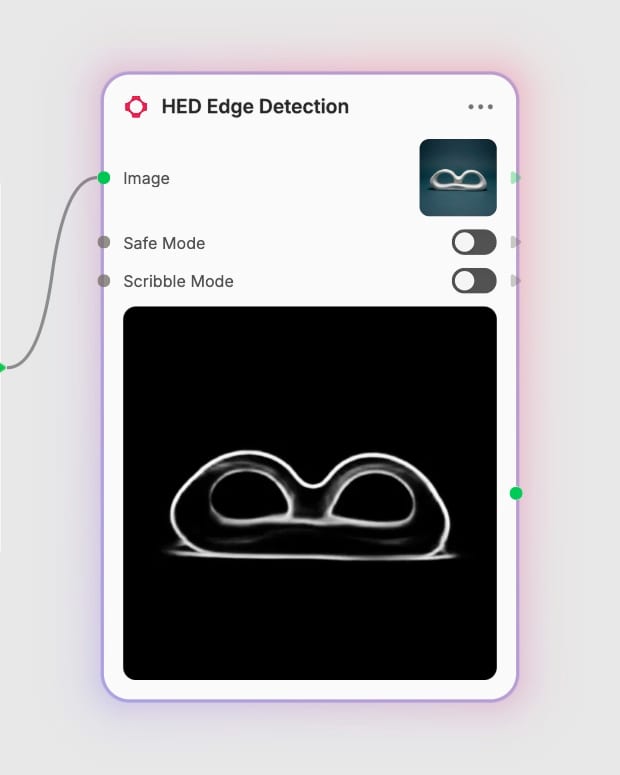
Configure Edge Mode
Toggle Safe Mode to eliminate background noise or Scribble Mode to generate bold felt-pen doodle contours.
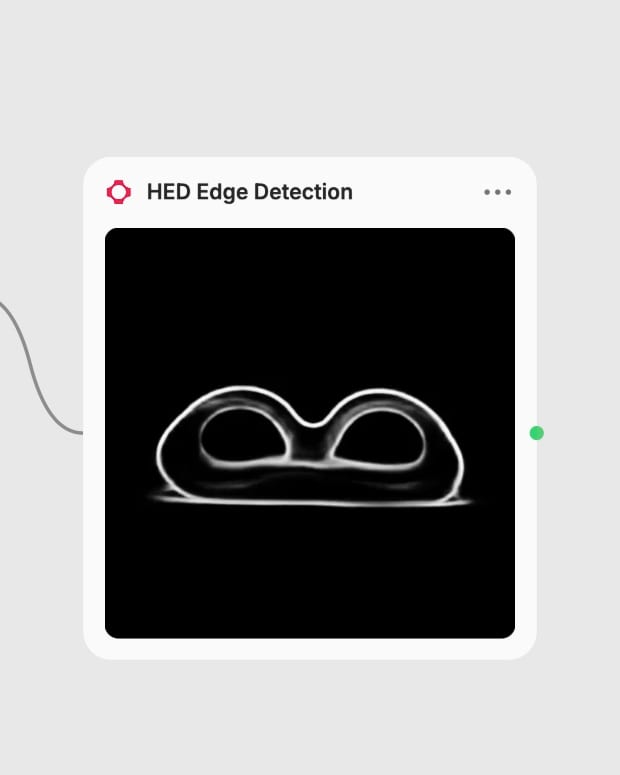
Extract Boundary Map
Generate a luminous soft-edge boundary map ready to feed into Soft Edge or Scribble ControlNet pipelines.
Explore the deep learning boundary capabilities that make HED the premier soft-edge preprocessor for generative conditioning.
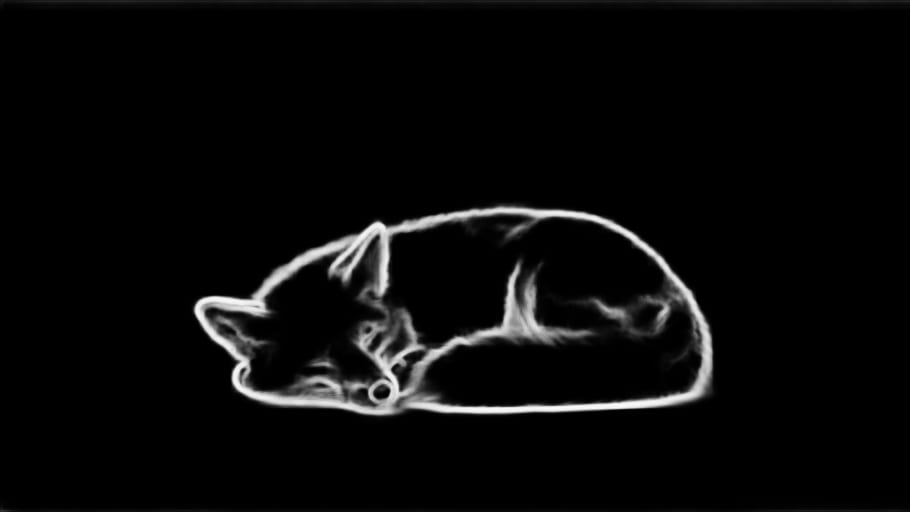
Organic Contour Extraction
Captures continuous, human-like sketch lines with varied opacity and pen pressure across anatomical curves and natural contours.
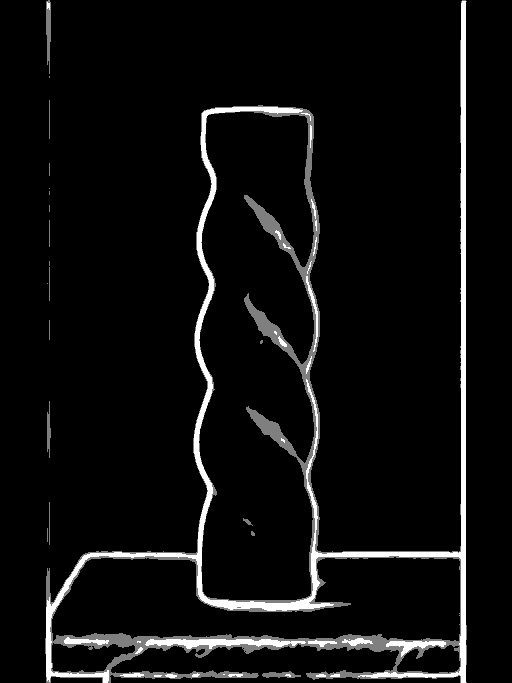
Safe Mode Noise Suppression
Purges residual background grayscale noise to prevent downstream ControlNet models from hallucinating unwanted source textures or color casts.
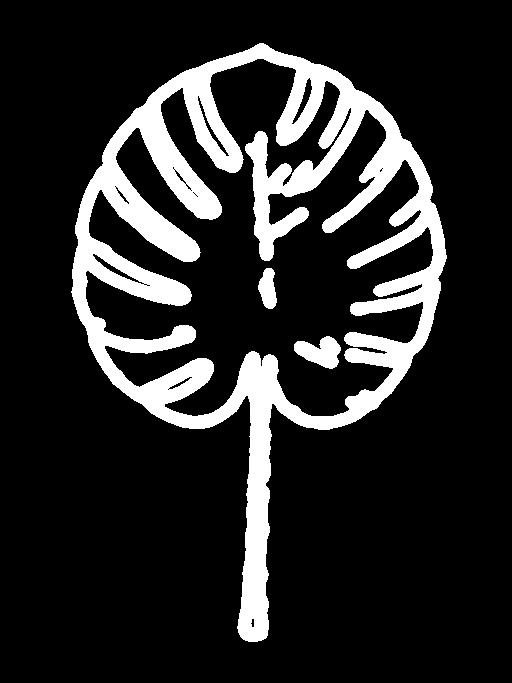
Scribble Mode Ink Simulation
Compresses and thickens boundary lines into bold, tactile ink strokes designed for seamless integration with Scribble ControlNet workflows.

Holistic Structural Preservation
Preserves the macro volume, posture, and spatial depth of subjects while leaving micro-textures open for downstream stylistic reinterpretation.
See the structural fidelity and organic line flow achievable when guiding downstream renders with HED edge maps.

Editorial fashion composition with organic drapery preservation

Industrial concept rendering guided by soft structural contours
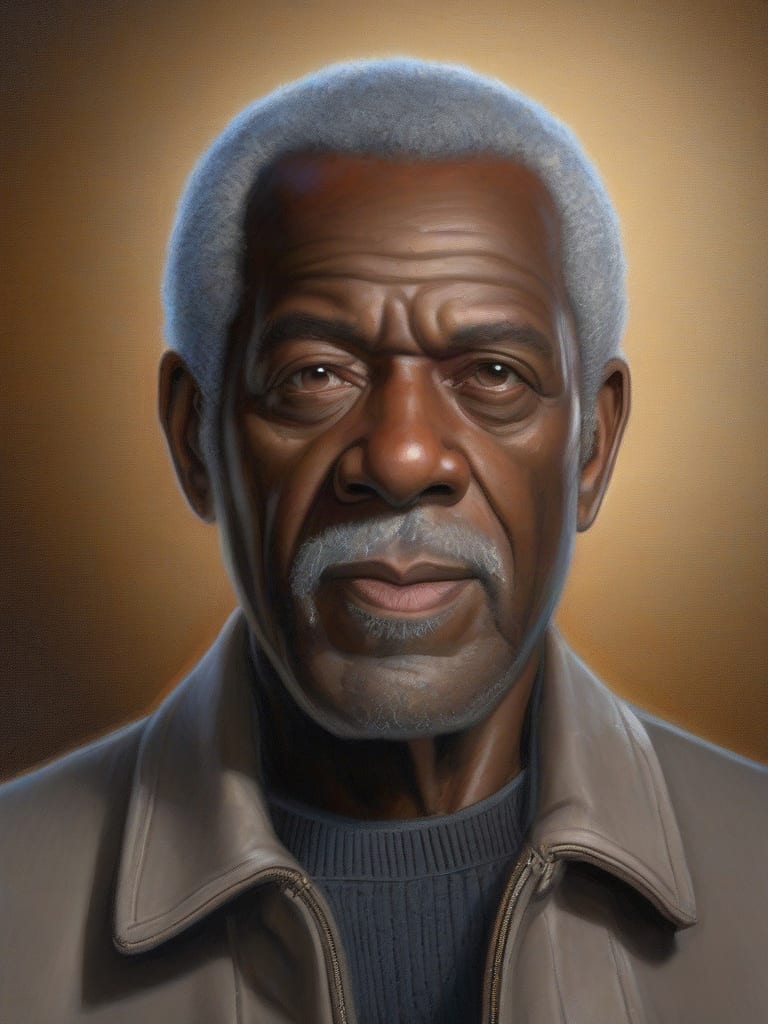
Cinematic character portrait with expressive rim lighting

Minimalist product hero shot with distinct silhouette definition
Discover how art directors, concept artists, and visual designers use HED to steer complex image generation without rigid geometric lock-in.
HED stands for Holistically-Nested Edge Detection, a deep learning architecture developed by Saining Xie and Zhuowen Tu that uses fully convolutional networks for image boundary extraction. In generative AI workflows, HED is the standard preprocessor for Soft Edge ControlNet pipelines, delivering organic, sketch-like contour maps rather than rigid geometric vectors.
HED produces soft, continuous grayscale lines with varied pen-pressure gradients that mimic hand-drawn artist sketches, whereas Canny produces hard, binary, single-pixel lines. Reach for HED when preserving organic silhouettes, drapery, and human anatomy while giving downstream diffusion models freedom over fine texture; reach for Canny when you need rigid architectural wireframes or precise CAD-like borders.
Safe mode filters out faint background grayscale textures and subtle image noise from the source photo before generating the final boundary map. Enable safe mode when feeding downstream Soft Edge ControlNet models to prevent ghosting artifacts, color bleed, or texture hallucinations from leaking into your final render.
Scribble mode binarizes and thickens the extracted contours to simulate bold felt-pen doodles and hand-drawn ink sketches. Use scribble mode when pairing with Scribble ControlNet checkpoints to achieve punchy graphic outlines, but leave it disabled for standard Soft Edge models to preserve delicate tonal gradients.
HED excels at broad silhouettes, body poses, and organic flow, but it struggles with pixel-perfect typography, intricate CAD blueprints, and high-frequency micro-textures like fine hair strands or tight fabric weaves. For technical vector alignment or micro-geometry, use Canny or Lineart preprocessors instead.
Transform photographic boundaries into organic, sketch-like soft edge maps for flexible ControlNet guidance