Recipev2
Motion Blur & Grain
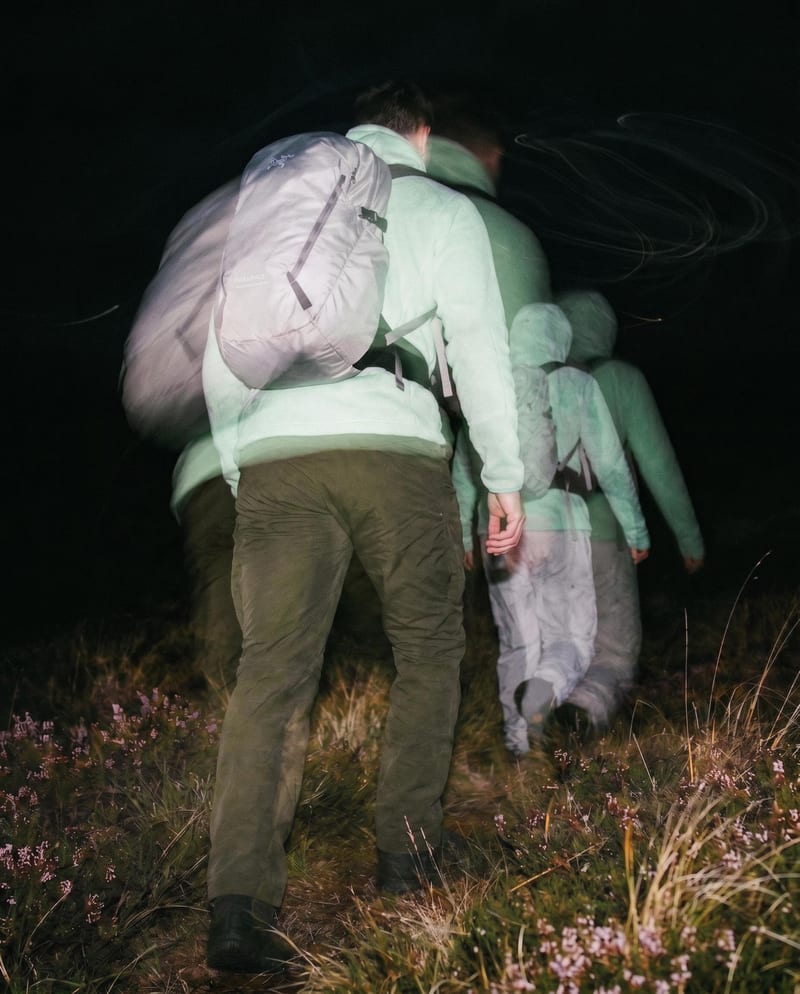
Color Motion Blur Look
Film Photography Effects
Transform one source image into color and black-and-white looks with cinematic motion blur and realistic film grain.
Color Motion Blur Look
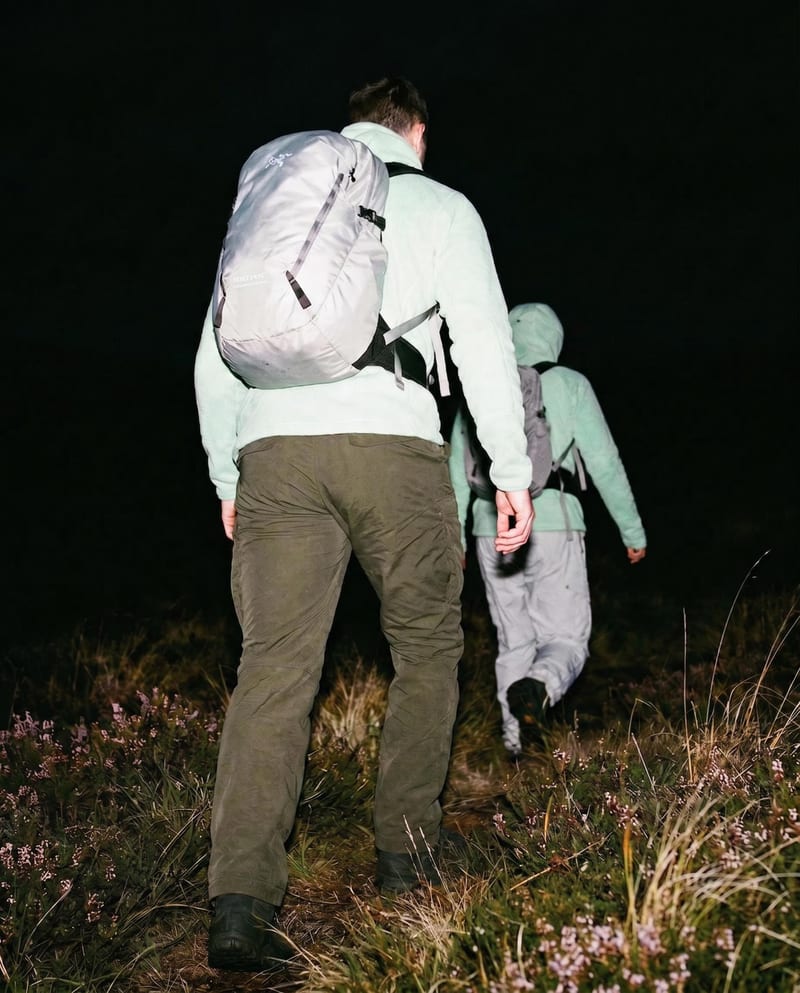
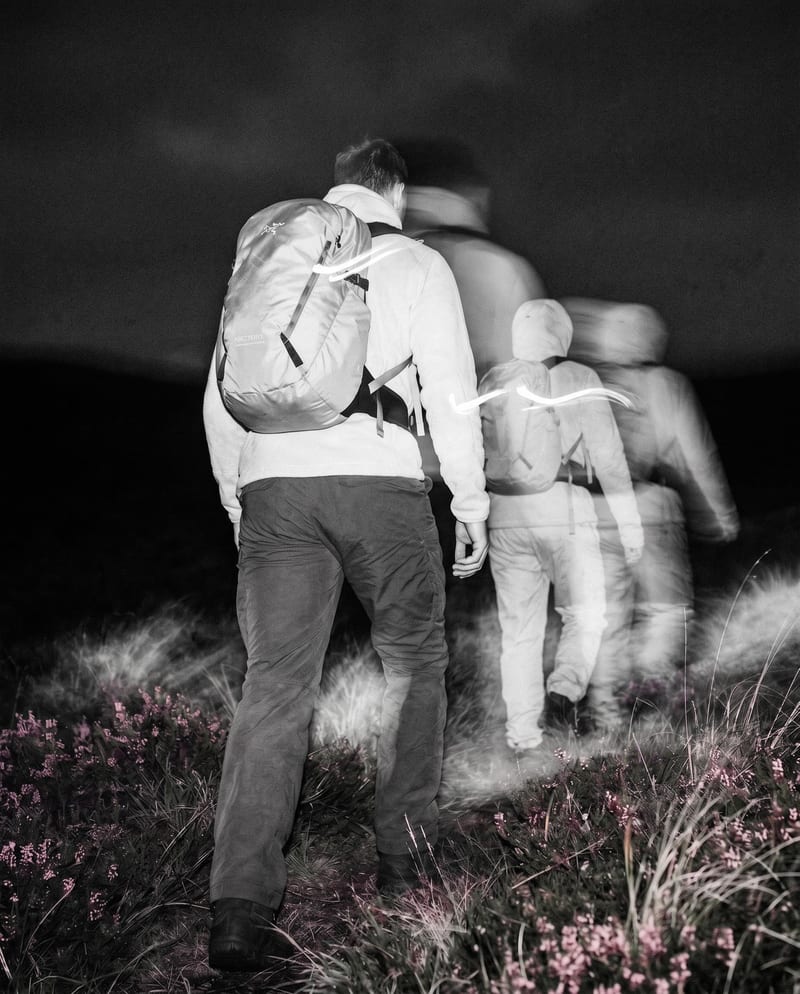
A recipe turns a reusable workflow into a simple set of inputs and outputs. Start with a community recipe and make it your own in Fuser.
1. Choose a recipe
Find a workflow for the result you want. Review what it does and how to use it before opening it in Fuser.
2. Make it your own
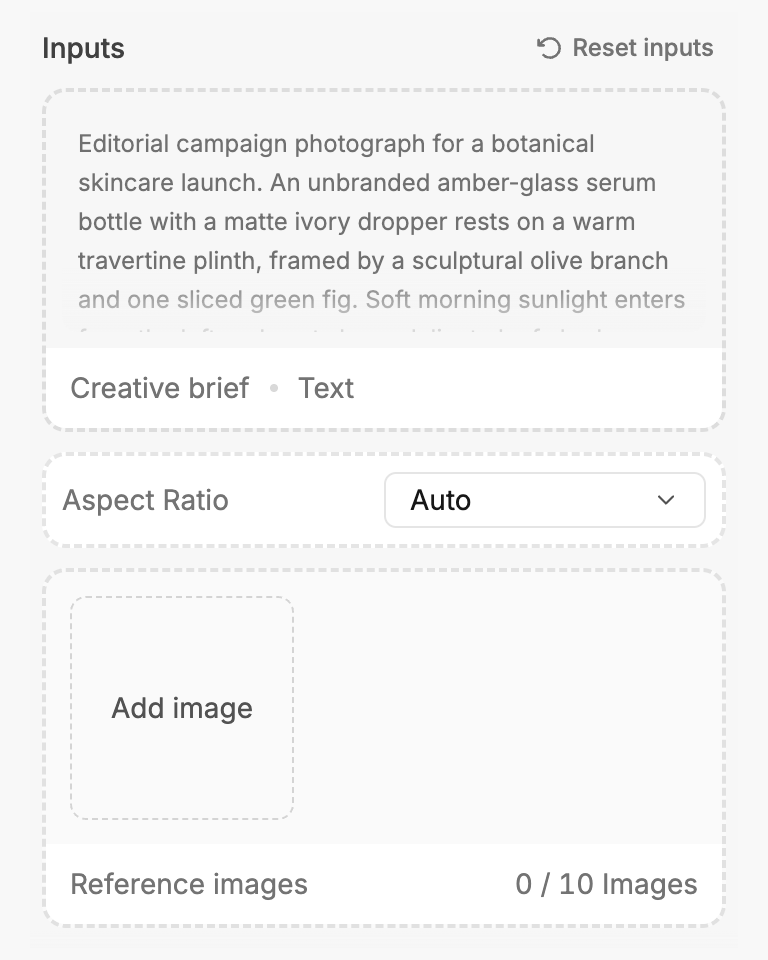
Check the recipe’s available inputs. Add your own text or media where supported, or start with the saved defaults.
3. Run and refine
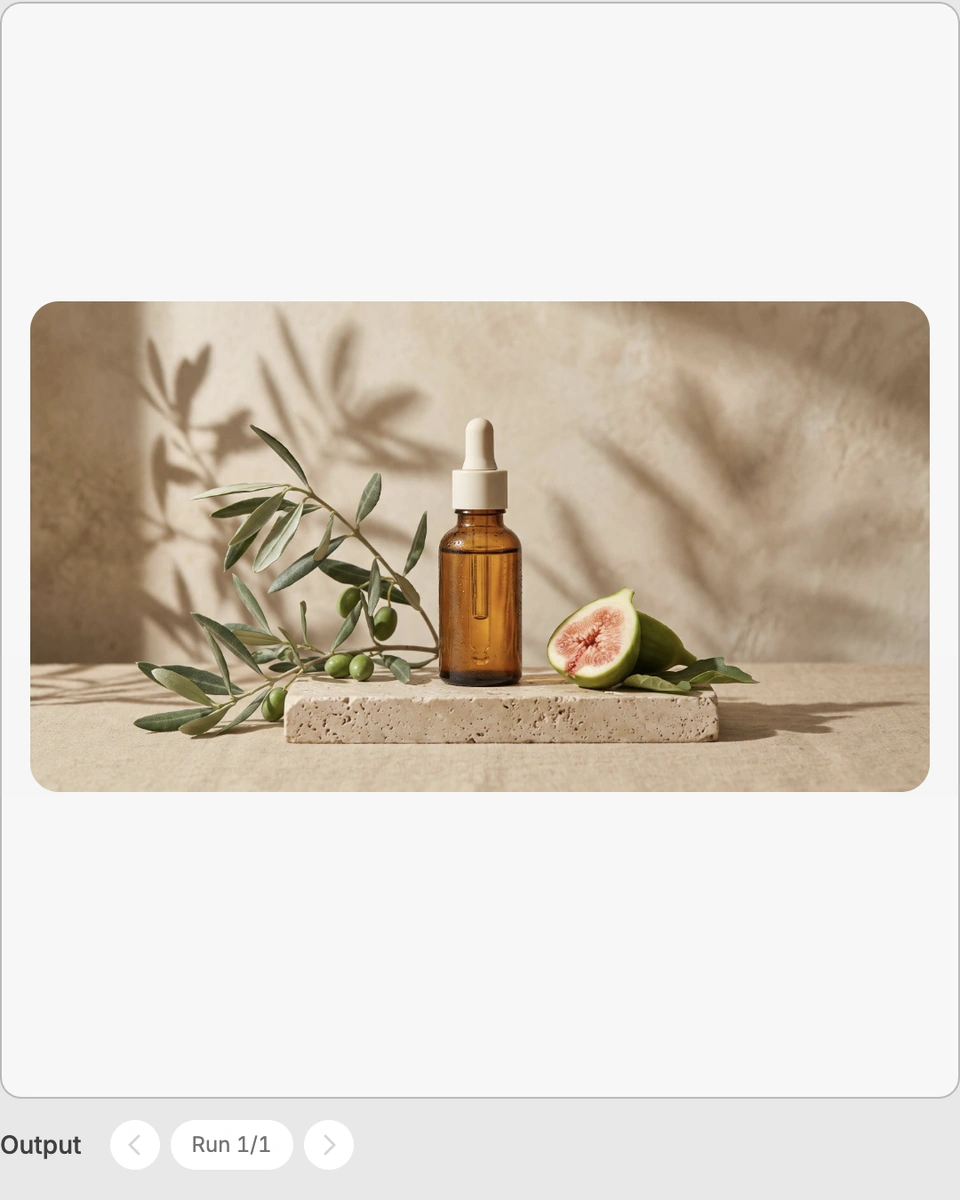
Run the recipe in Fuser and review the result on your canvas. Adjust any available inputs when you want to try another direction.
Create distinct film-photography treatments for images used in editorial, lookbook, photography, and art projects.
It applies cinematic motion blur and realistic film grain to a source image. The recipe produces two image outputs: a color motion blur look and a black-and-white motion blur look.
It is suited to people working with photography, art and illustration, lookbooks, or editorial imagery. The two outputs make it useful when exploring a dynamic film-photography direction in both color and monochrome.
Prepare one source image that you want to treat with motion blur and film grain. Source Image is the recipe’s only exposed input, and you can change it in Fuser.
The saved example shows one source image connected to both available outputs. It demonstrates the color and black-and-white versions created by this recipe, rather than a live run using a new image.
Yes. You can replace the exposed Source Image input in Fuser with another image. The recipe’s saved inputs do not include separate controls for adjusting the blur or grain treatment.
Color Motion Blur Look provides the color version of the treatment, while B&W Motion Blur Look provides the black-and-white version. You can use either output depending on the visual direction of your photography, artwork, lookbook, or editorial project.
This recipe accepts one image input and returns two image outputs focused on motion blur and film grain. It does not describe additional output formats or separate adjustment controls, so the result is limited to the two included looks.
Bring a source image to Fuser and explore its color and black-and-white motion blur treatments.
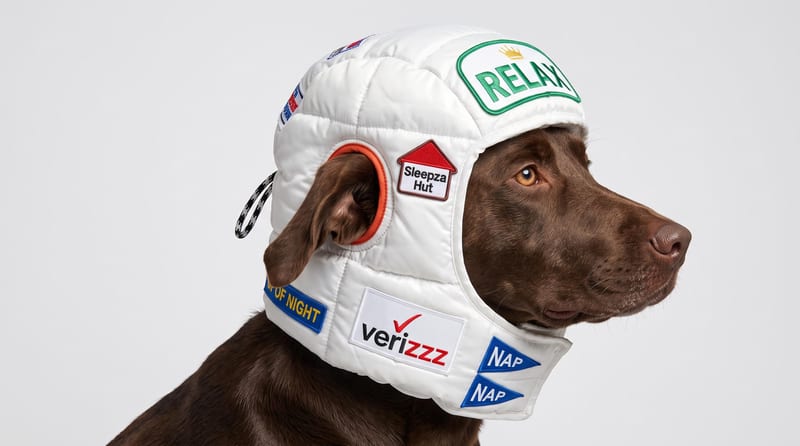
Upload a reference image to receive a detailed, structured text prompt describing how to recreate its visual characteristics.
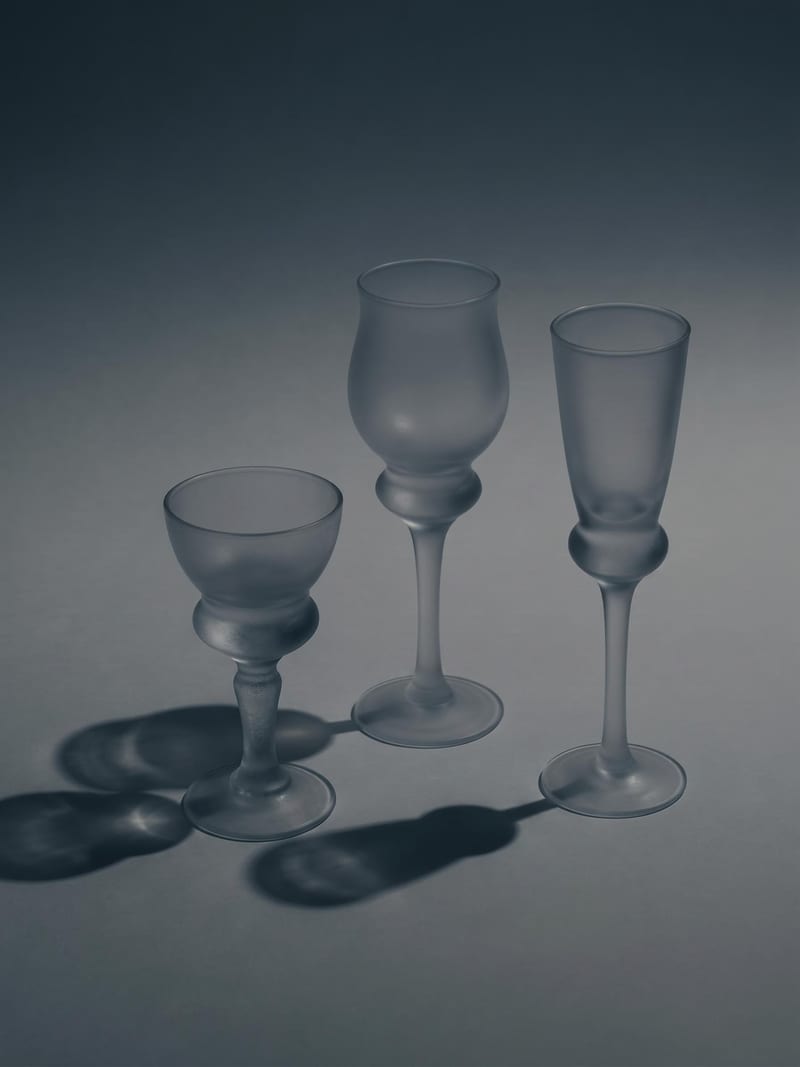
Upload one image to explore six lighting versions, from studio daylight and soft white to dramatic spotlight and golden hour.
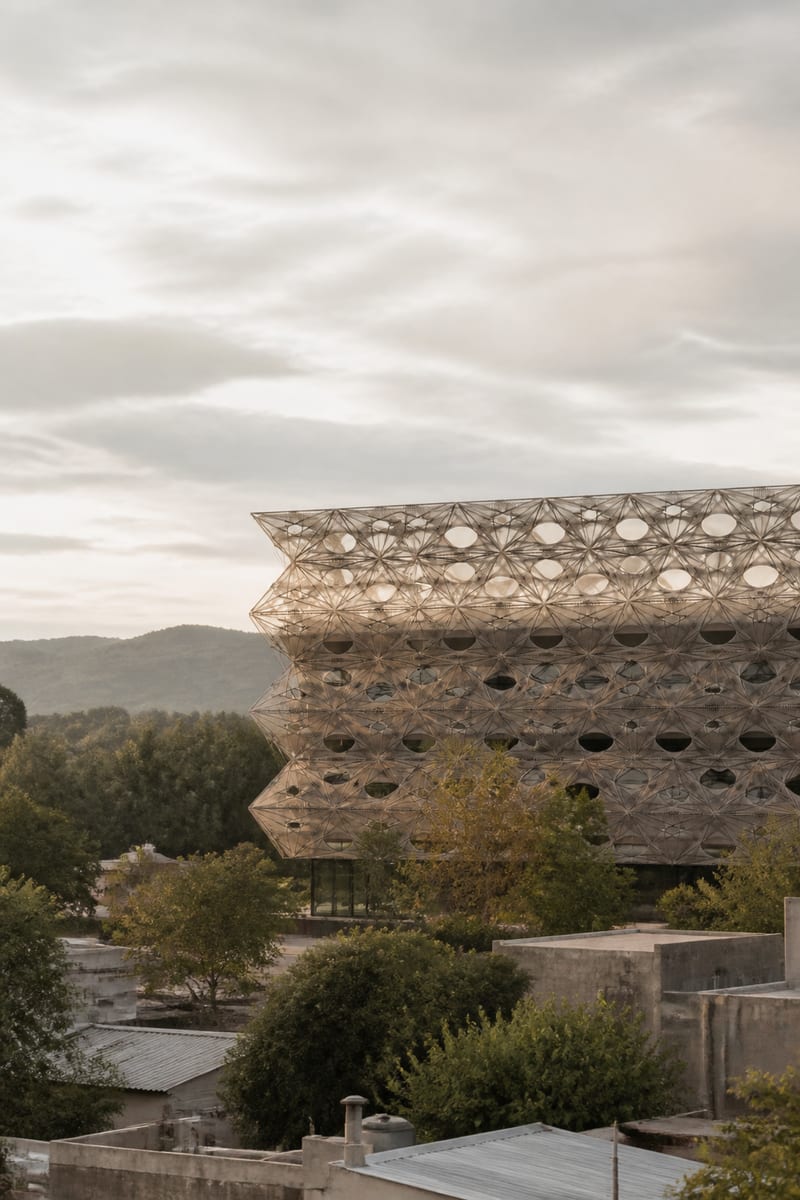
Transform an image into a photorealistic architectural render with an elevated viewpoint, layered urban foregrounds, and soft overcast light.