Recipev2
Sketch to 3D Model
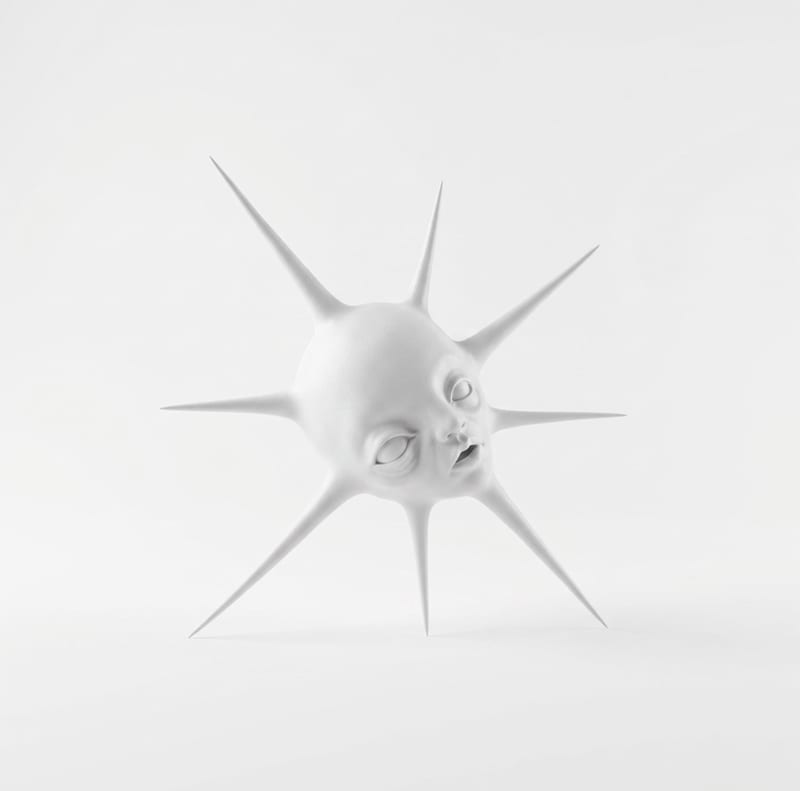
Render
Sketch-to-3D modeling
Transform one rough sketch image into a 3D model and a render for film, gaming, and art workflows.
Render
A recipe turns a reusable workflow into a simple set of inputs and outputs. Start with a community recipe and make it your own in Fuser.
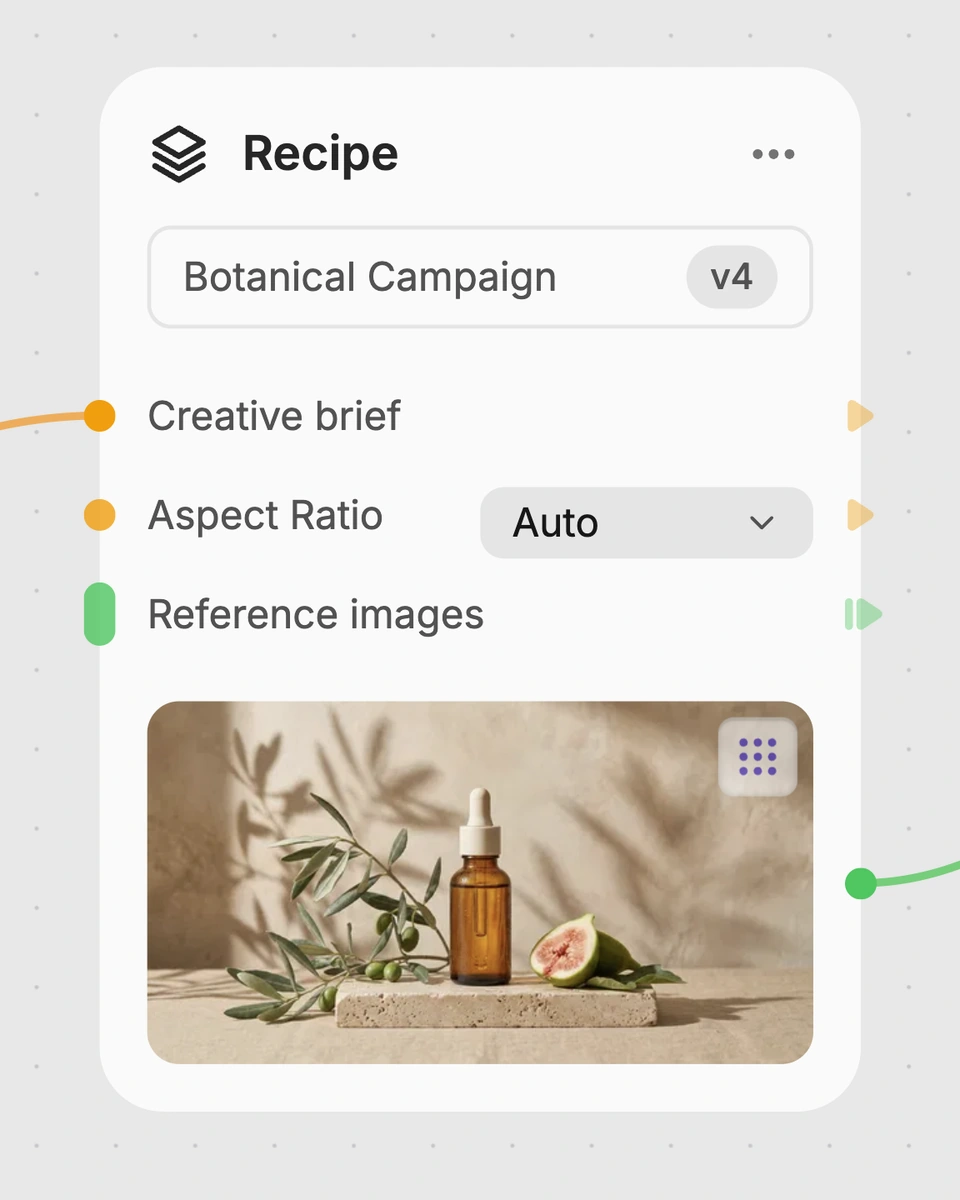
1. Choose a recipe
Find a workflow for the result you want. Review what it does and how to use it before opening it in Fuser.
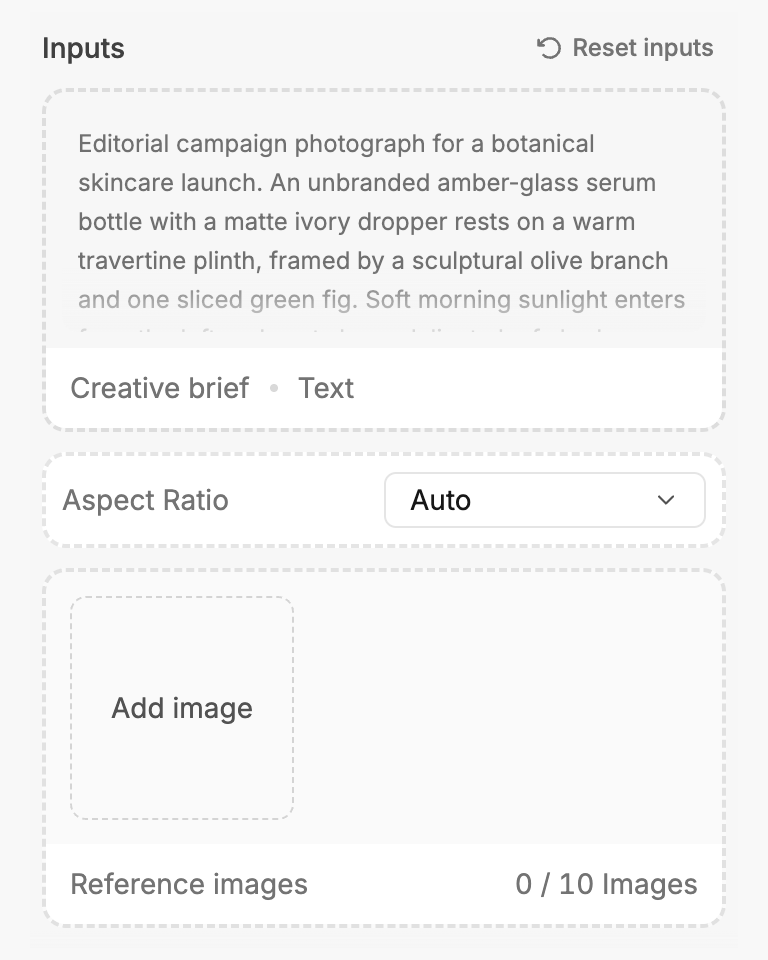
2. Make it your own
Check the recipe’s available inputs. Add your own text or media where supported, or start with the saved defaults.
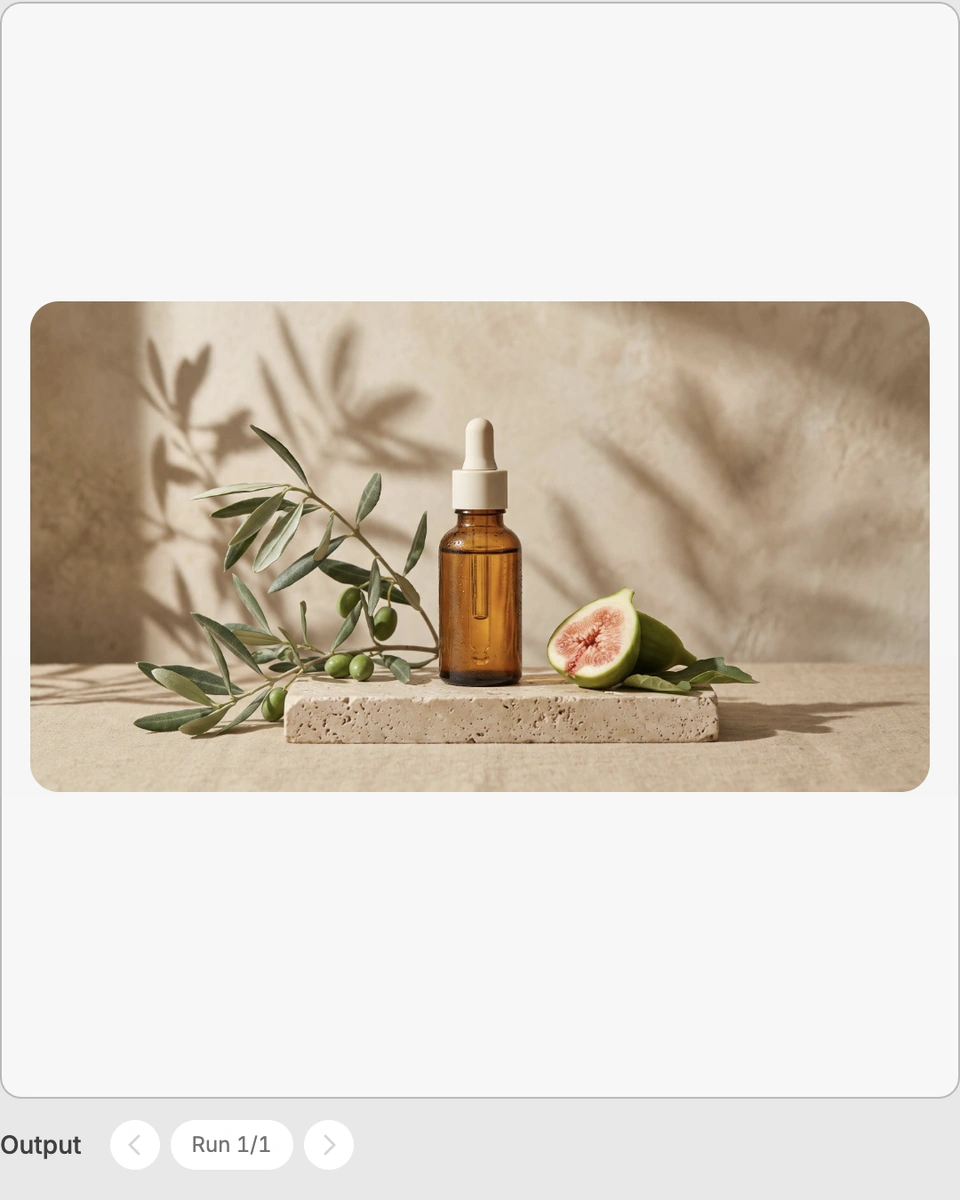
3. Run and refine
Run the recipe in Fuser and review the result on your canvas. Adjust any available inputs when you want to try another direction.
Use the recipe to develop visual concepts across entertainment, games, and illustration projects.
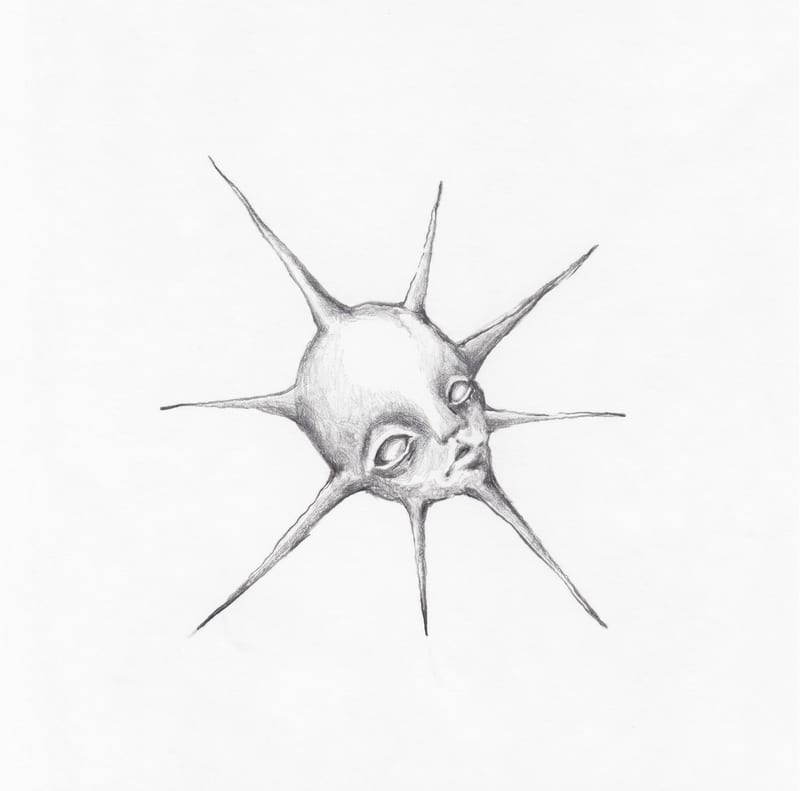
It takes a single sketch image and produces two outputs: a render and a 3D model. The recipe is intended for moving from a rough drawn concept toward a model-based result.
It is suited to artists, game developers, and film or entertainment teams working with early visual concepts. It can also support illustration workflows that begin with a hand-drawn or rough image idea.
Prepare one sketch image that represents the object, character, or scene concept you want to develop. Sketch is the recipe’s exposed input, and you can change it in Fuser for a new run.
The recipe provides a Render image and a 3D Model mesh. Together, they show both a visual presentation of the result and a model output derived from the sketch input.
You can customize the exposed Sketch input in Fuser by replacing the saved example with another image. No other editable input is listed for this recipe.
The saved example shows the recipe’s default sketch connected to its render and 3D model outputs. It is a saved reference example rather than a live generation on this page.
The recipe fits early concept work for film and entertainment, gaming assets, and art or illustration projects. It is most useful when a rough sketch is the starting point for exploring a 3D form.
Log in to Fuser to use your own sketch as the recipe’s image input and create a render with a 3D model output.
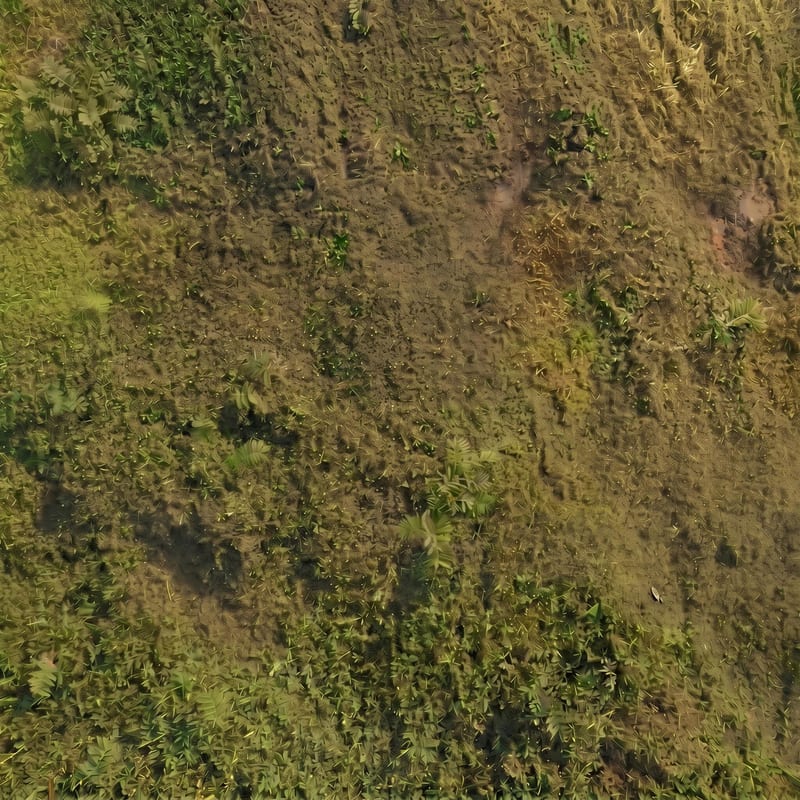
Upload a focused ground-surface image to create base color, normal, roughness, and ambient occlusion maps.
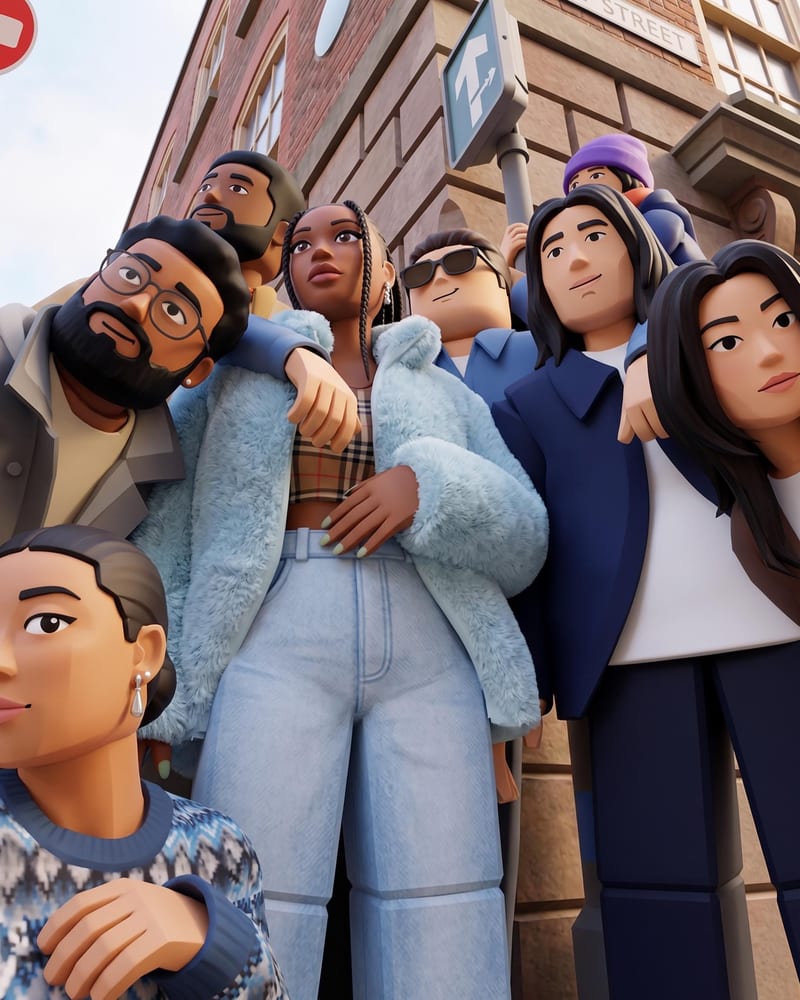
Turn a source image into a Roblox-style recreation that keeps its original scene, composition, subjects, and key visual details.
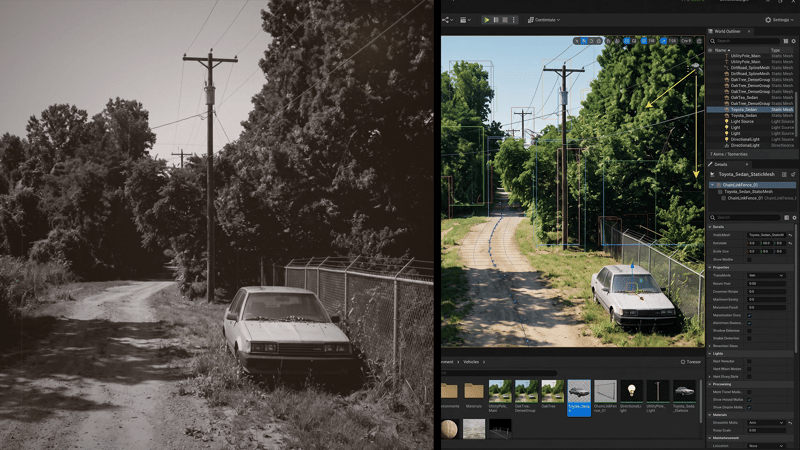
Upload a scene reference image to receive text breakdowns for assets, camera, lighting, materials, and spatial layers.