Recipev2
Tarkovsky-ify Your Scene
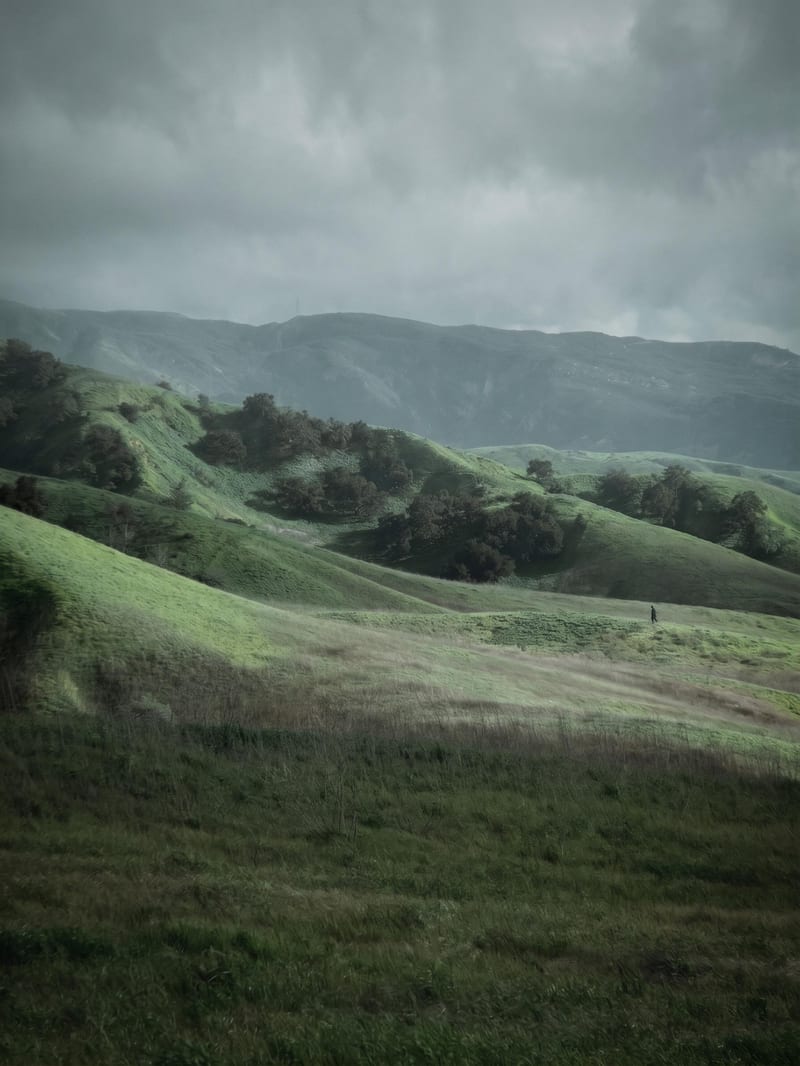
Tarkovsky Style
Poetic Cinematic Photography
Transform a source image into a poetic, contemplative cinematic image with muted earthy tones and analog film aesthetics.
Tarkovsky Style
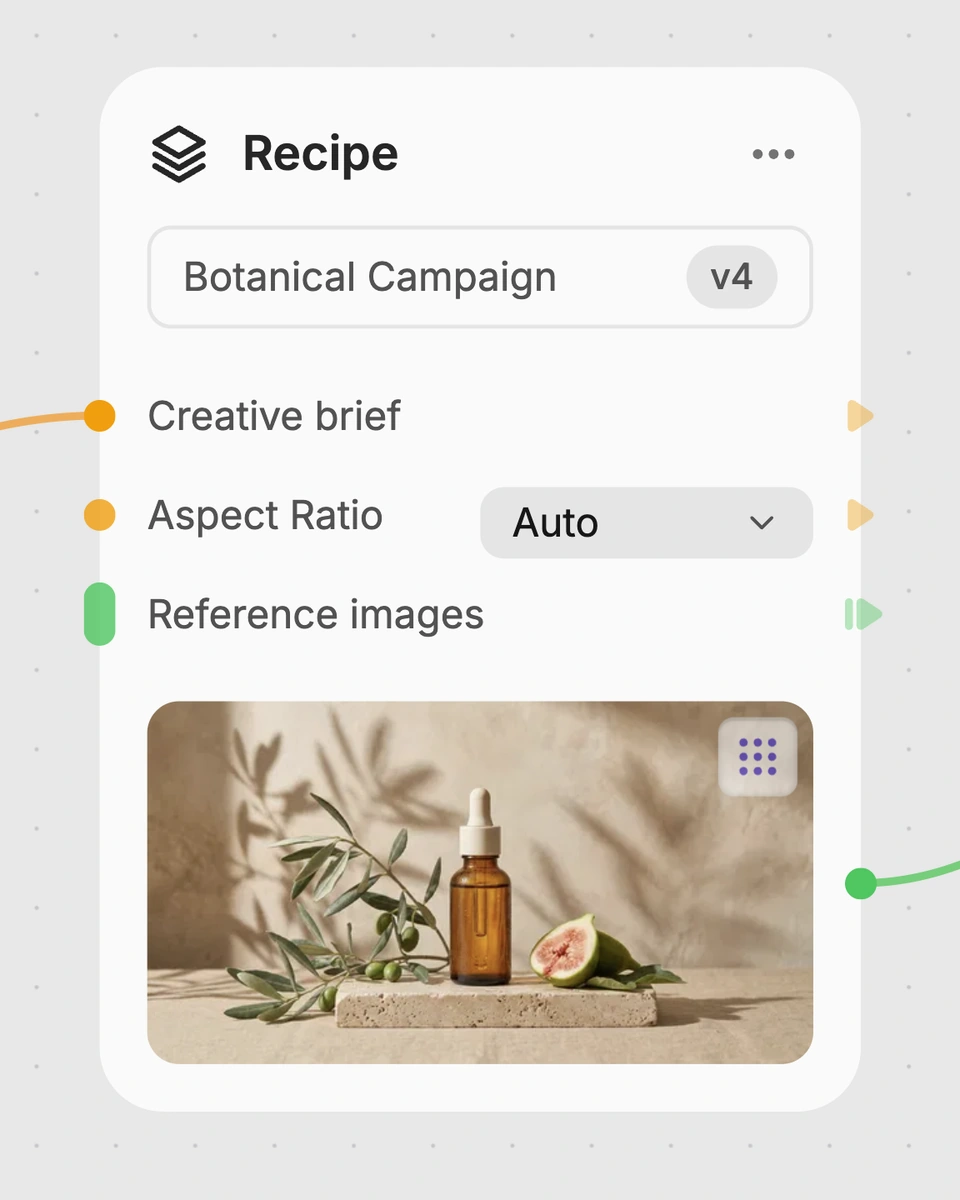
A recipe turns a reusable workflow into a simple set of inputs and outputs. Start with a community recipe and make it your own in Fuser.
1. Choose a recipe
Find a workflow for the result you want. Review what it does and how to use it before opening it in Fuser.
2. Make it your own
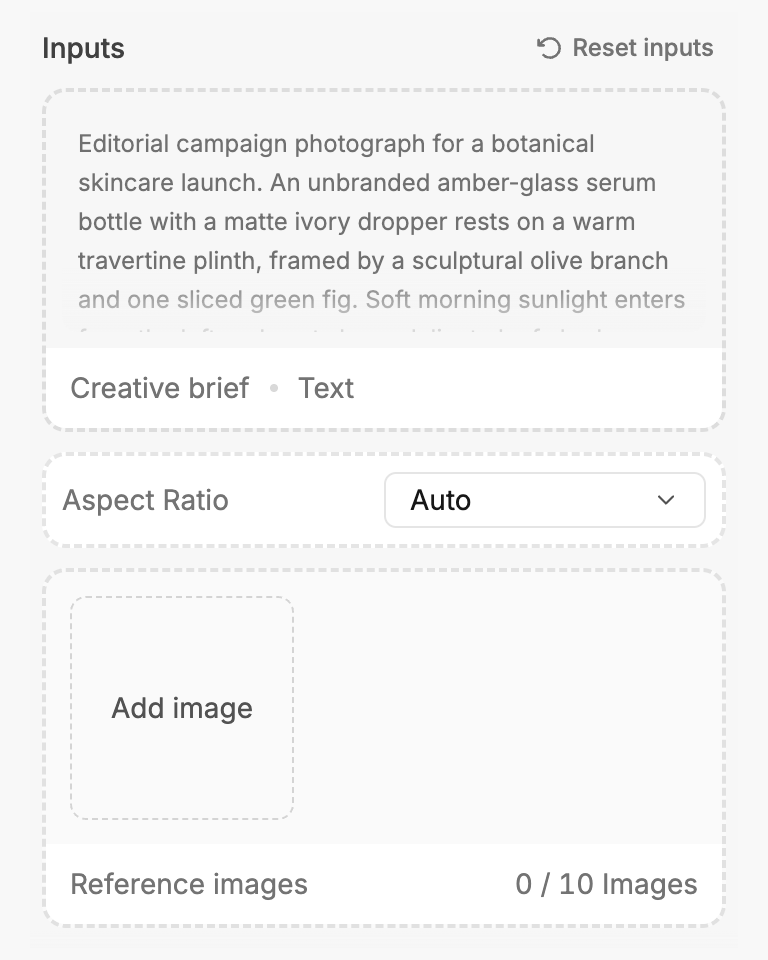
Check the recipe’s available inputs. Add your own text or media where supported, or start with the saved defaults.
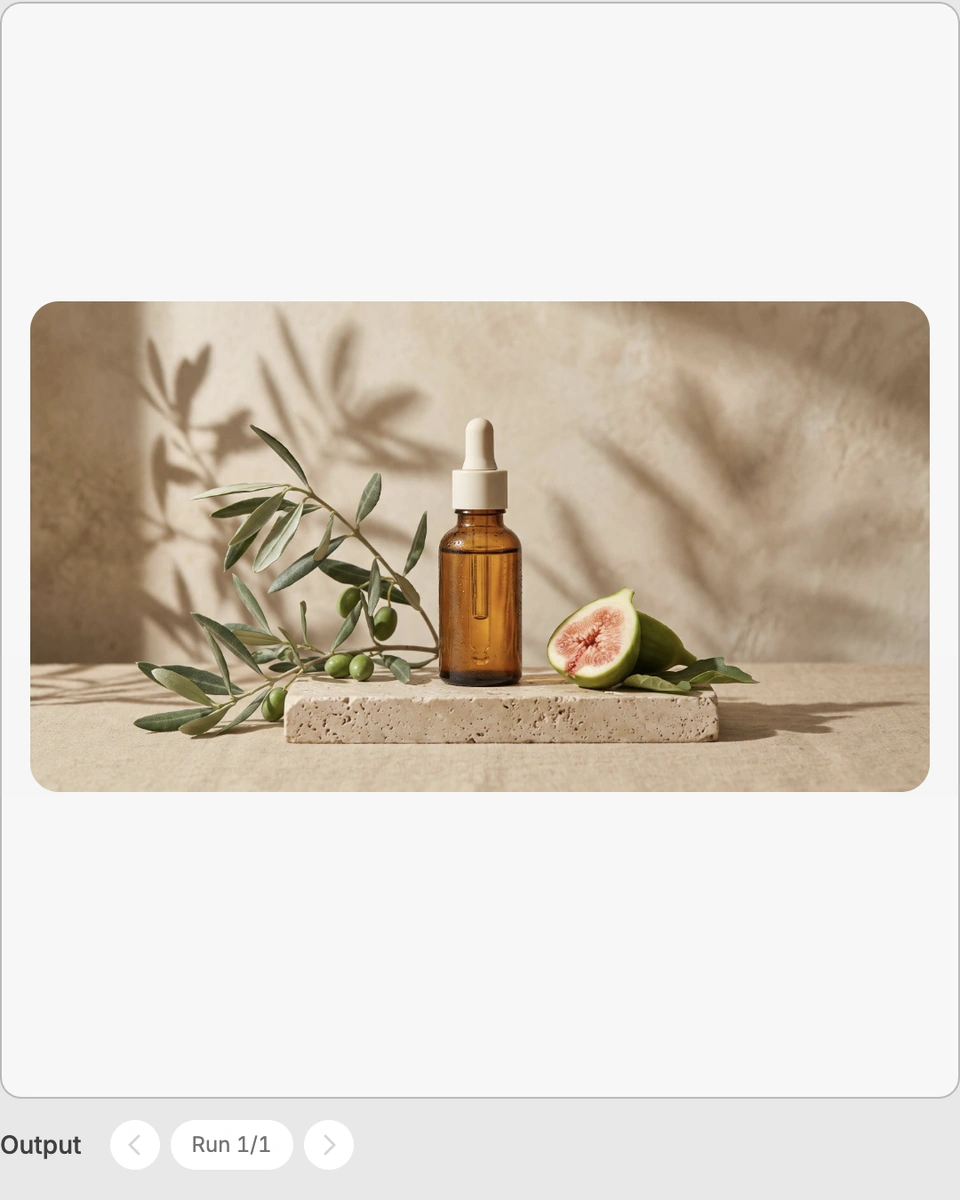
3. Run and refine
Run the recipe in Fuser and review the result on your canvas. Adjust any available inputs when you want to try another direction.
Use the transformation to develop atmospheric image concepts across photography, illustration, and social content.
It transforms one source image into an image with a poetic, contemplative cinematic direction. The treatment is described through muted earthy tones, natural light, weathered textures, a dreamlike atmosphere, timeless wardrobe, and tactile analog film aesthetics.
It is suited to photographers, artists, and content creators developing atmospheric visual concepts. It can help when a source image needs a quieter, more timeless, or more cinematic presentation.
Prepare one source image, which is the recipe’s only exposed input. You can change that Source Image in Fuser when creating a new run.
The exposed editable input is the Source Image, so customization begins by choosing a different image. The recipe description defines the treatment around muted earthy tones, natural light, weathered textures, dreamlike atmosphere, timeless wardrobe, and analog film aesthetics; no separate controls are listed for changing those elements.
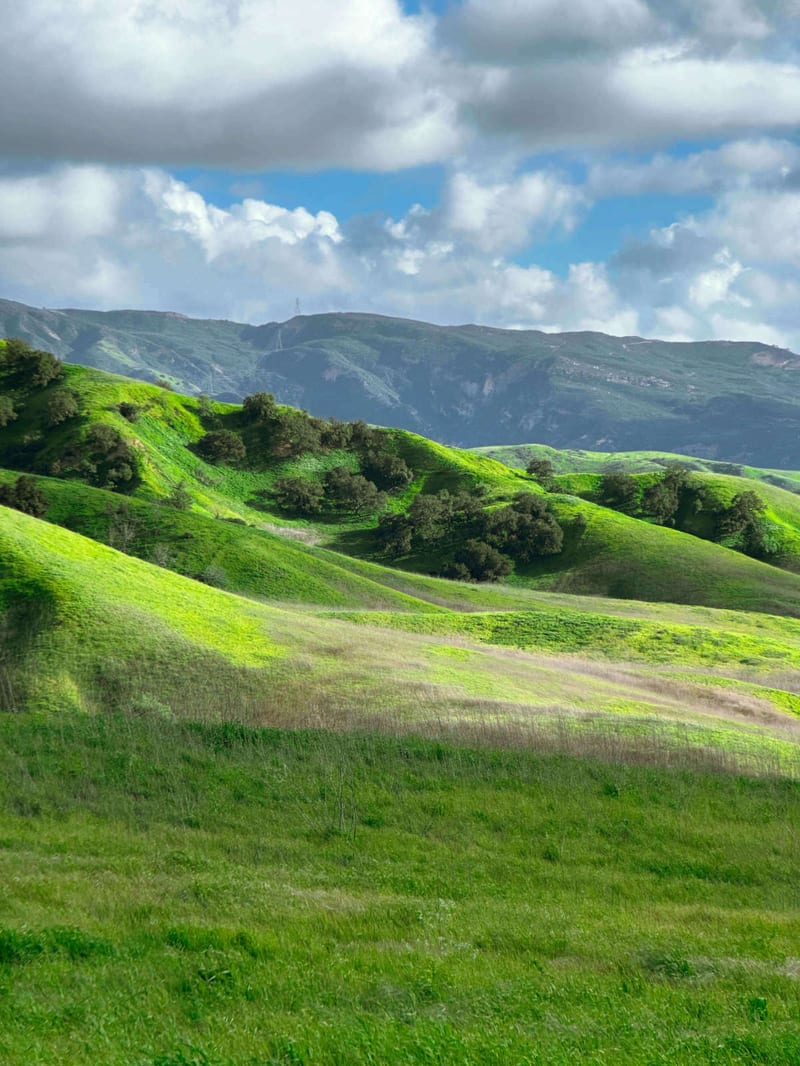
The recipe creates one image output labeled “Tarkovsky Style.” The saved example shows the connected source image and output as an example of the intended poetic, contemplative cinematic direction; a new run uses the source image you provide.
It can support cinematic scene studies, photography concepts, editorial directions, visual mood boards, and atmospheric social content. These applications stay focused on transforming an existing image rather than creating a separate text or video asset.
The page presents a saved default example rather than a live run. Its output demonstrates the recipe’s intended direction, while a new run starts with the Source Image you choose.
Bring a source image to Fuser and explore a poetic treatment shaped by muted earthy tones, natural light, weathered textures, and analog film aesthetics.
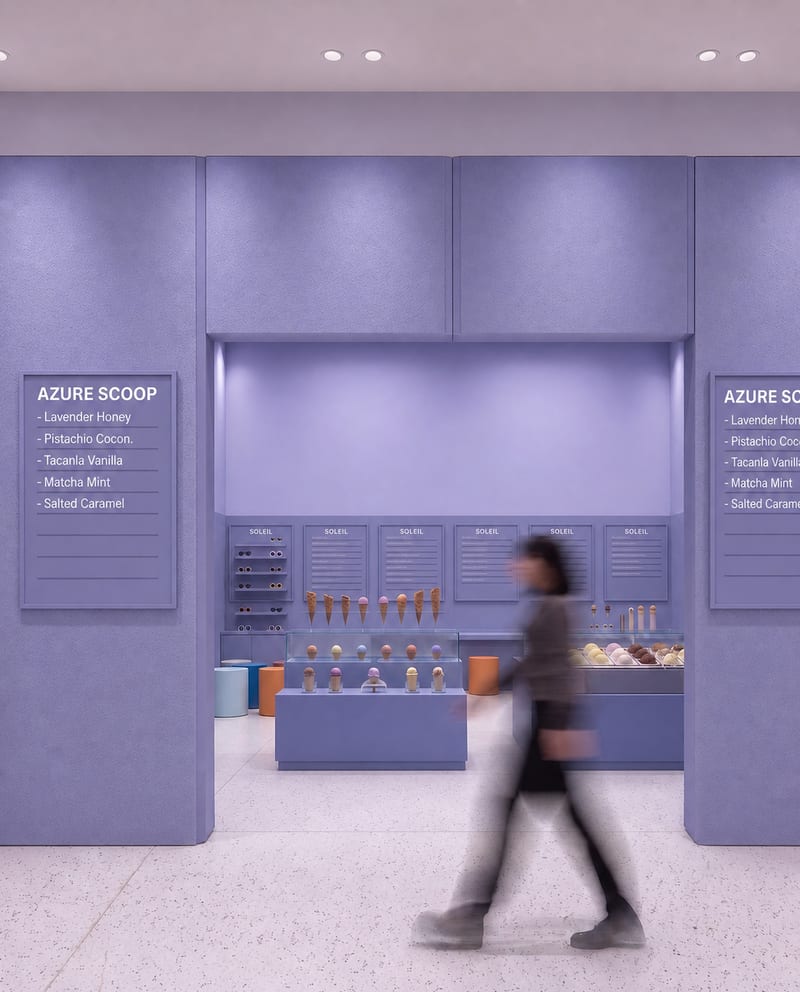
Upload a source image to remove AI-generated artifacts, distortions, and unnatural details while preserving its composition, style, and visual elements.
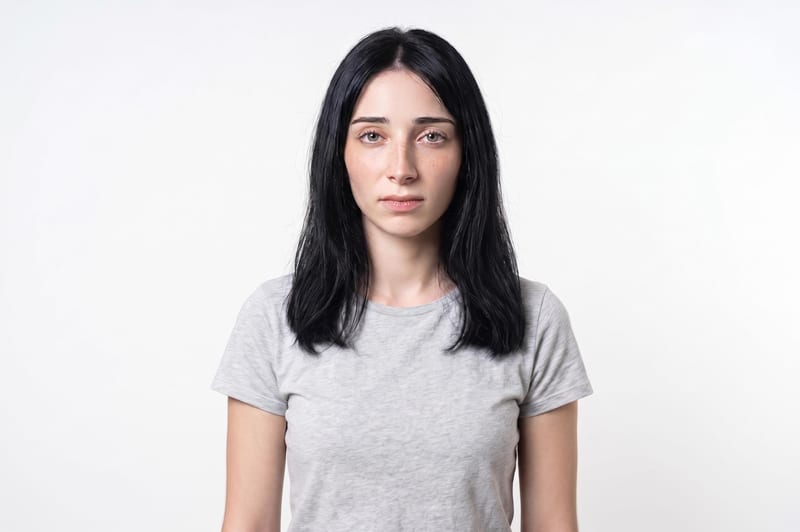
Upload one unretouched face photo to reduce blemishes, smooth uneven texture, and refine skin tone in two retouched outputs.
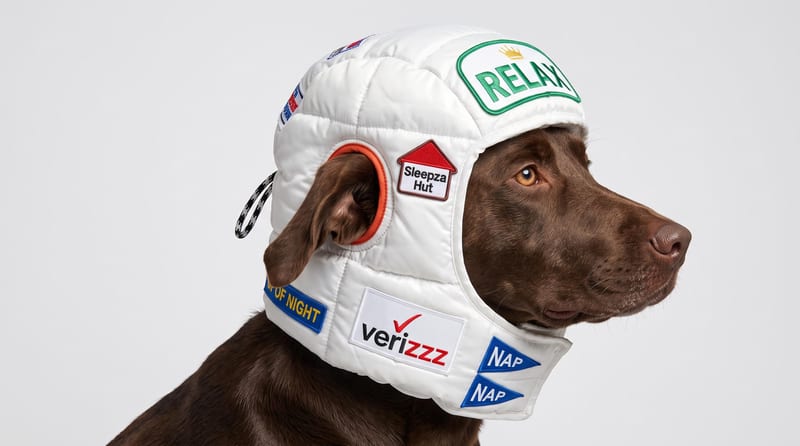
Upload a reference image to receive a detailed, structured text prompt describing how to recreate its visual characteristics.