Recipev4
Unreal Scene Planner
Text
Scene Segmentation
Unreal scene planning
Upload a scene reference image to receive text breakdowns for assets, camera, lighting, materials, and spatial layers.
Scene Segmentation
A recipe turns a reusable workflow into a simple set of inputs and outputs. Start with a community recipe and make it your own in Fuser.
1. Choose a recipe
Find a workflow for the result you want. Review what it does and how to use it before opening it in Fuser.
2. Make it your own
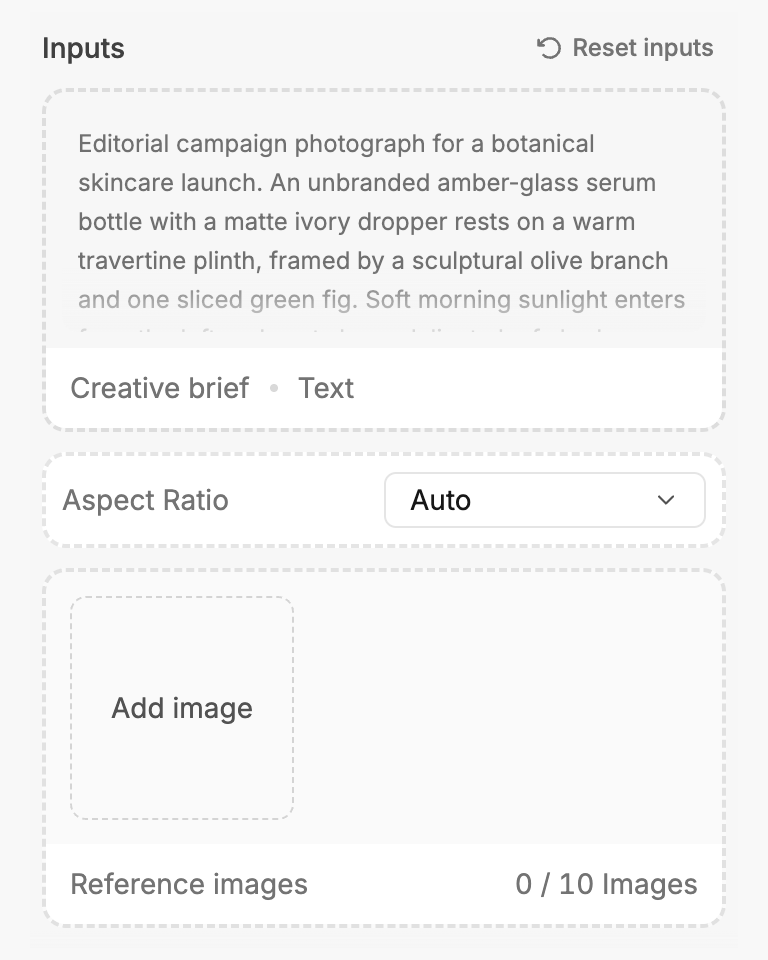
Check the recipe’s available inputs. Add your own text or media where supported, or start with the saved defaults.
3. Run and refine
Run the recipe in Fuser and review the result on your canvas. Adjust any available inputs when you want to try another direction.
Use the reference image and generated text analyses to organize practical preproduction tasks for an Unreal Engine scene.
It is intended for people planning an Unreal Engine environment from a single image reference, including environment artists, level designers, lighting artists, and previsualization teams. The recipe turns the reference into written planning information rather than a finished Unreal scene.
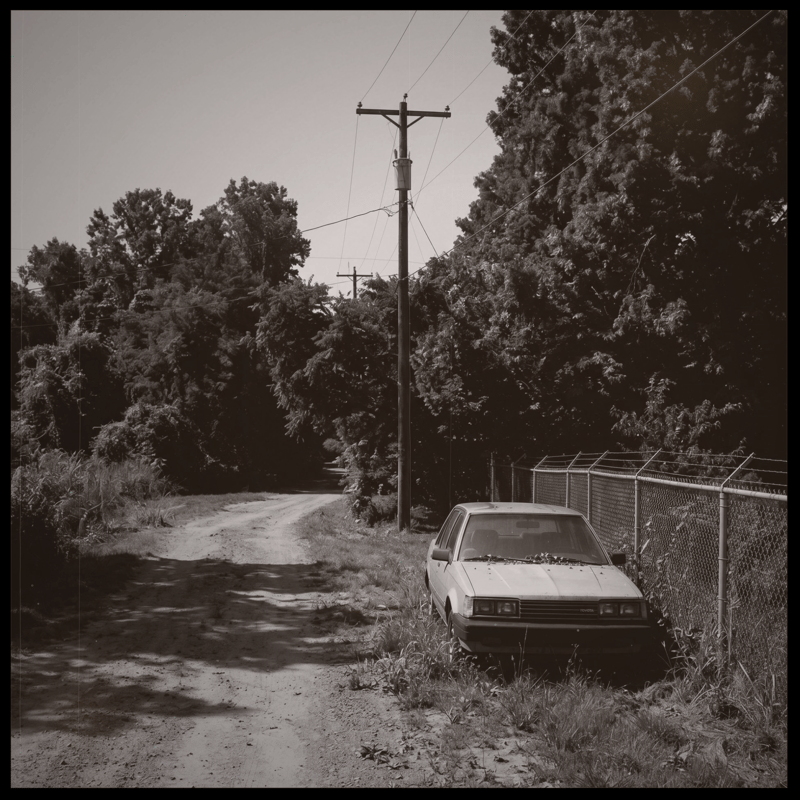
Upload one Scene Reference image that shows the effect or scene you want to recreate. The saved example uses a reference depicting an abandoned car beside a dirt road, fence, utility poles, and dense vegetation.
The exposed outputs are text analyses for Scene Segmentation, Asset Extraction, Camera Analysis, Lighting Breakdown, and Material Tags. Together, they describe spatial layers, visible assets, estimated camera setup, lighting characteristics, and primary surface materials.
Yes. Scene Reference is the exposed image input, so you can change it in Fuser before using the recipe. A new reference may produce different scene elements, camera estimates, lighting observations, and material tags than the saved example.
The saved example demonstrates a written breakdown of an abandoned rural road composition. It includes details such as a weathered sedan, chain-link fencing, utility poles, power lines, dirt and vegetation, along with estimated camera and lighting guidance.
No finished Unreal project, 3D asset files, or rendered scene are listed as outputs. The recipe provides text planning information that can help guide later modeling, layout, camera, lighting, and material work.
The camera and lighting outputs describe estimates based on the uploaded image, including values such as focal length, camera height, light direction, and shadow softness. Treat them as starting points for matching the reference, not as verified original capture settings.
Bring a reference image into Fuser and use the resulting asset, camera, lighting, material, and spatial breakdowns to structure your Unreal scene work.
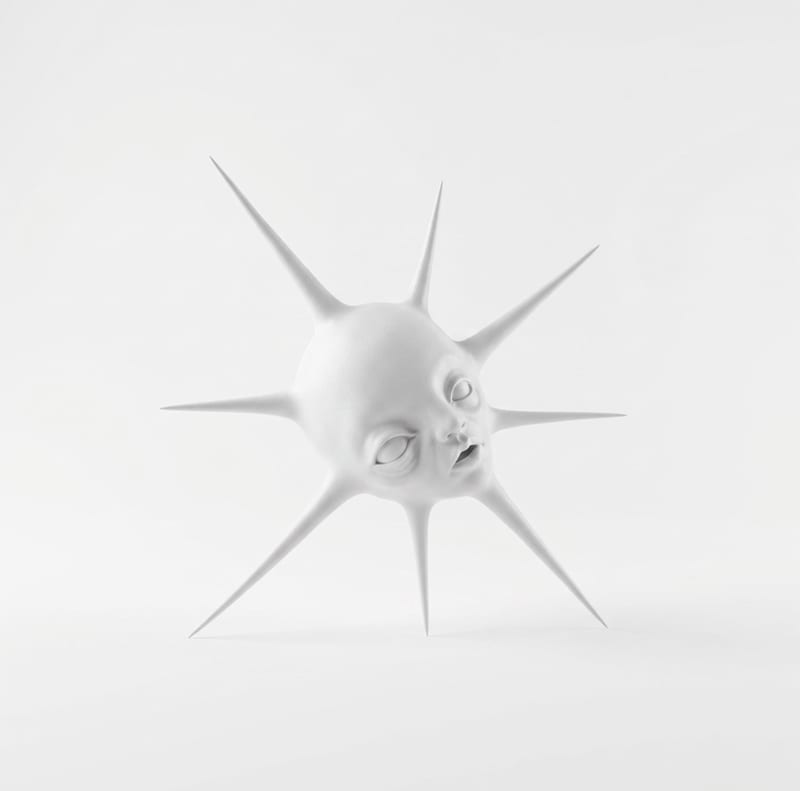
Transform one rough sketch image into a 3D model and a render for film, gaming, and art workflows.
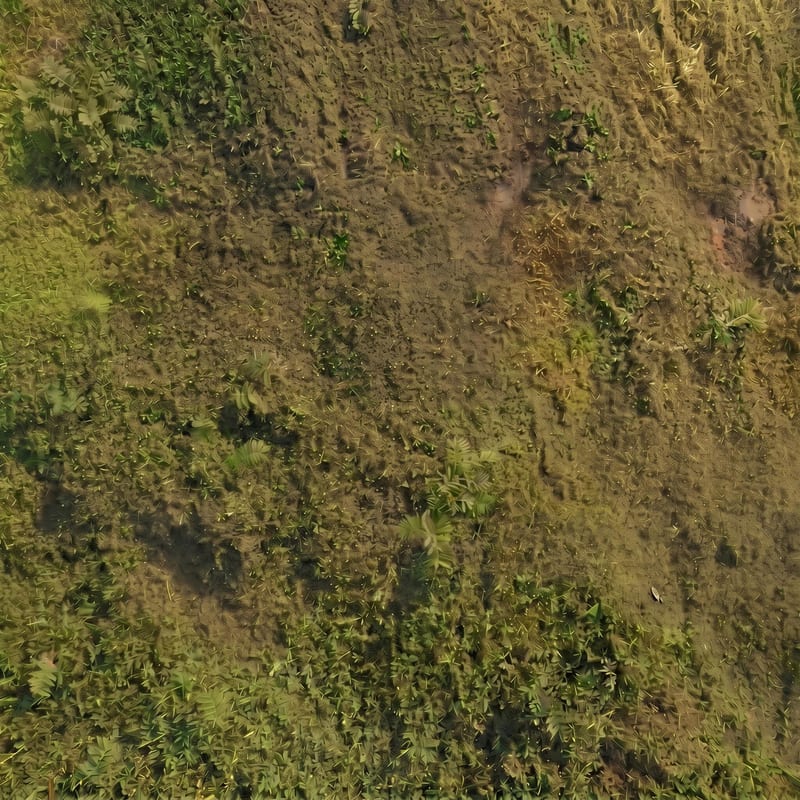
Upload a focused ground-surface image to create base color, normal, roughness, and ambient occlusion maps.
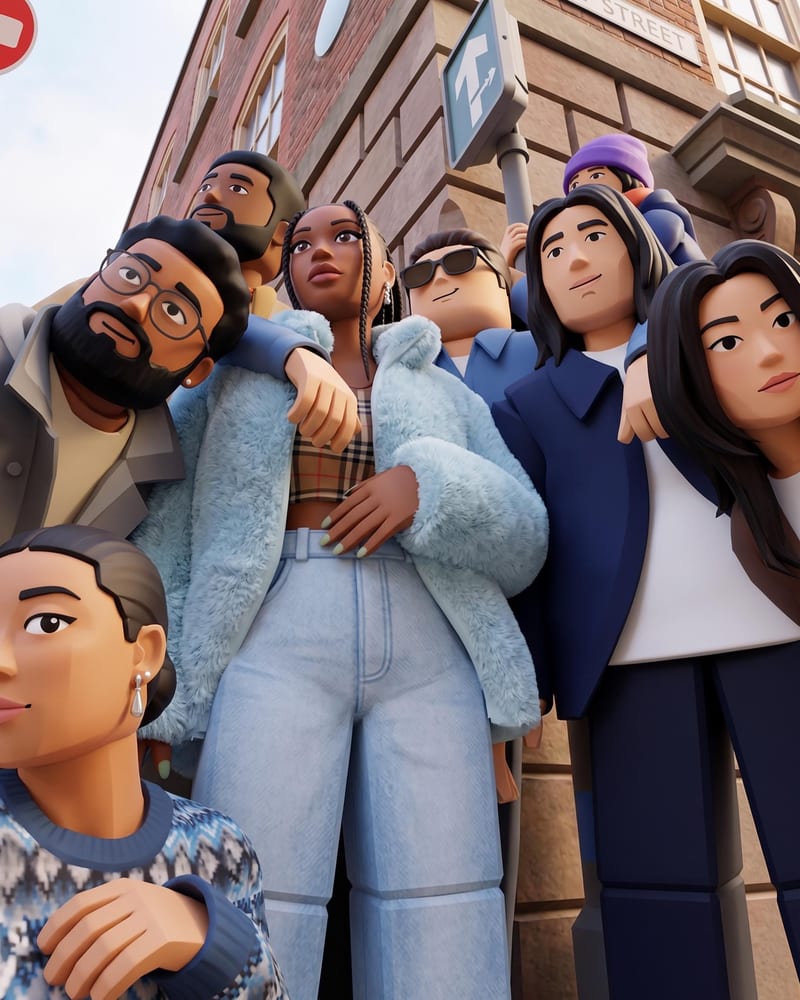
Turn a source image into a Roblox-style recreation that keeps its original scene, composition, subjects, and key visual details.