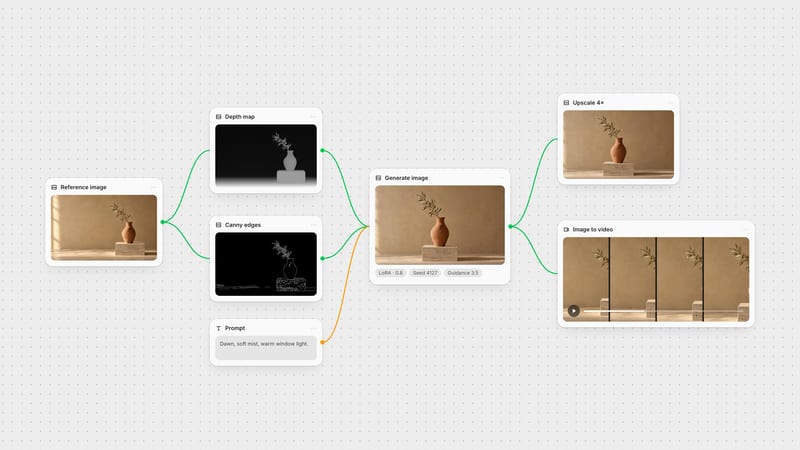
One click, whole workflow
Recipes are here. Package a whole workflow and run it in one click
Explore recipesOne click, whole workflow
Recipes are here. Package a whole workflow and run it in one click
Explore recipesbyBlack Forest Labs
Render nuanced tactile textures, crisp embedded typography, and intricate multi-subject compositions with lifelike lighting
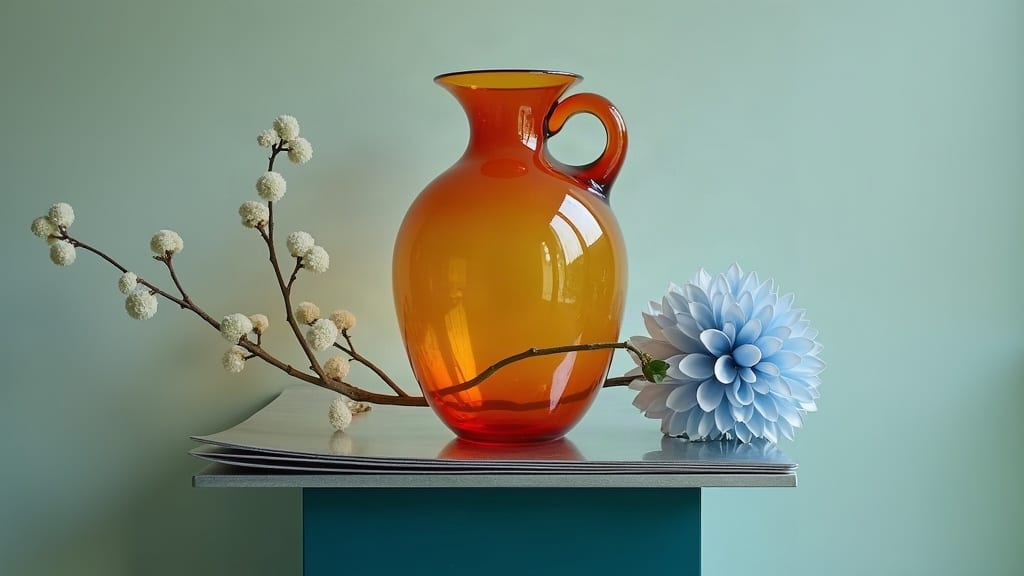
Harness a 12-billion-parameter rectified flow transformer with natural descriptive language, tailored step counts, and optional style guidance.
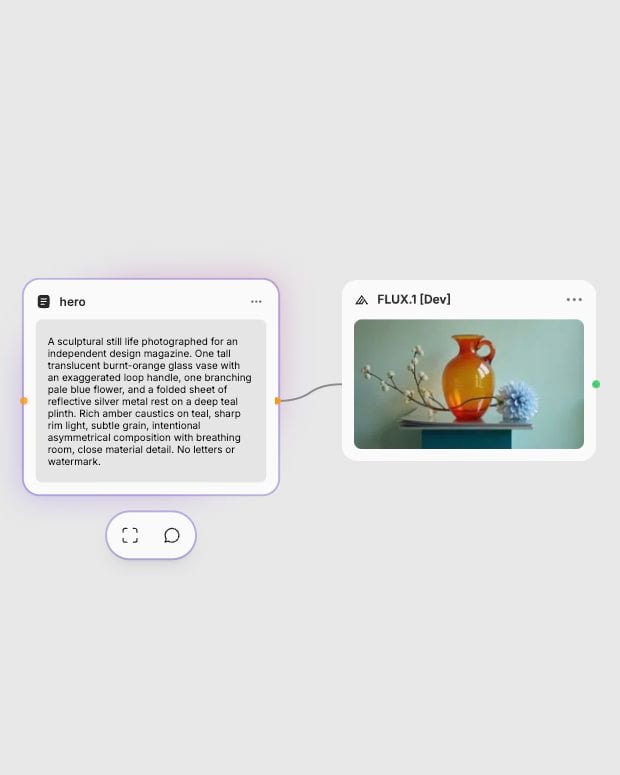
Describe the scene hierarchy
Write descriptive natural prose detailing subjects, materials, volumetric lighting, and any required typography.
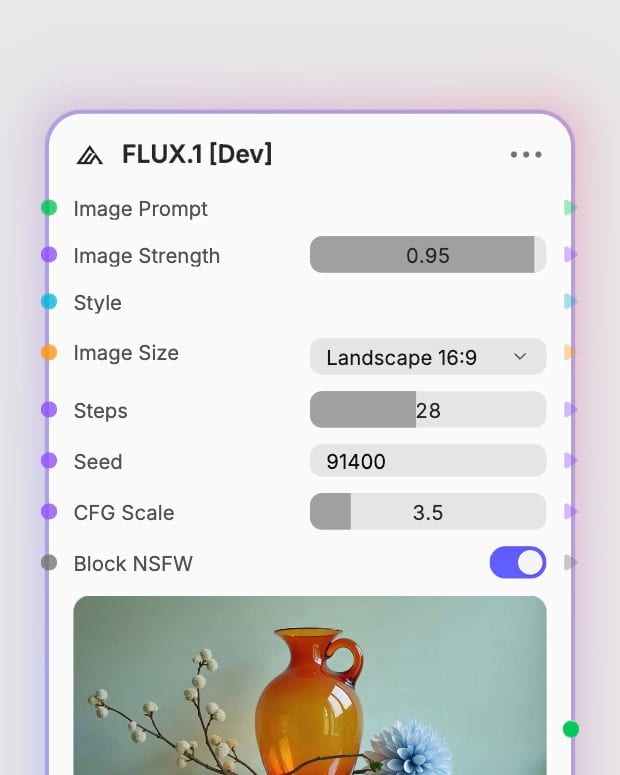
Tune guidance and inference steps
Set guidance scale between 1.5 and 4.0 for photorealism, and adjust inference steps from 28 to 50 for complex textures.
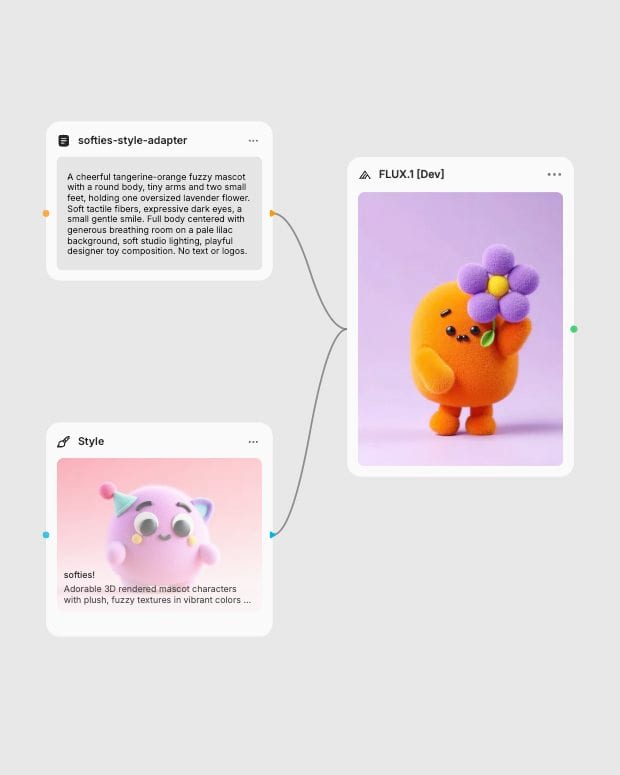
Apply custom styles or reference imagery
Attach a style adapter or input image to direct aesthetics and compositional geometry across generations.
From pixel-perfect typography to lifelike skin textures and transparent optics, explore the core strengths of this generative model.
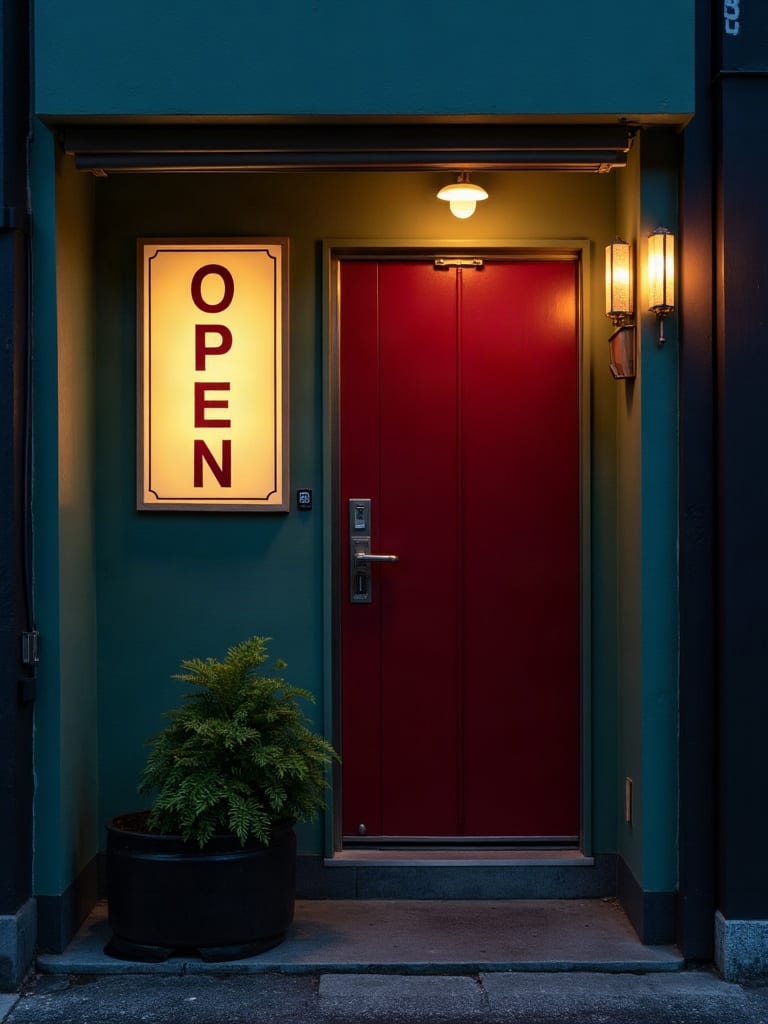
Native typography and signage
Spell out sharp, legible words and graphic signage directly within scenes without prompt bleeding or warped letterforms.
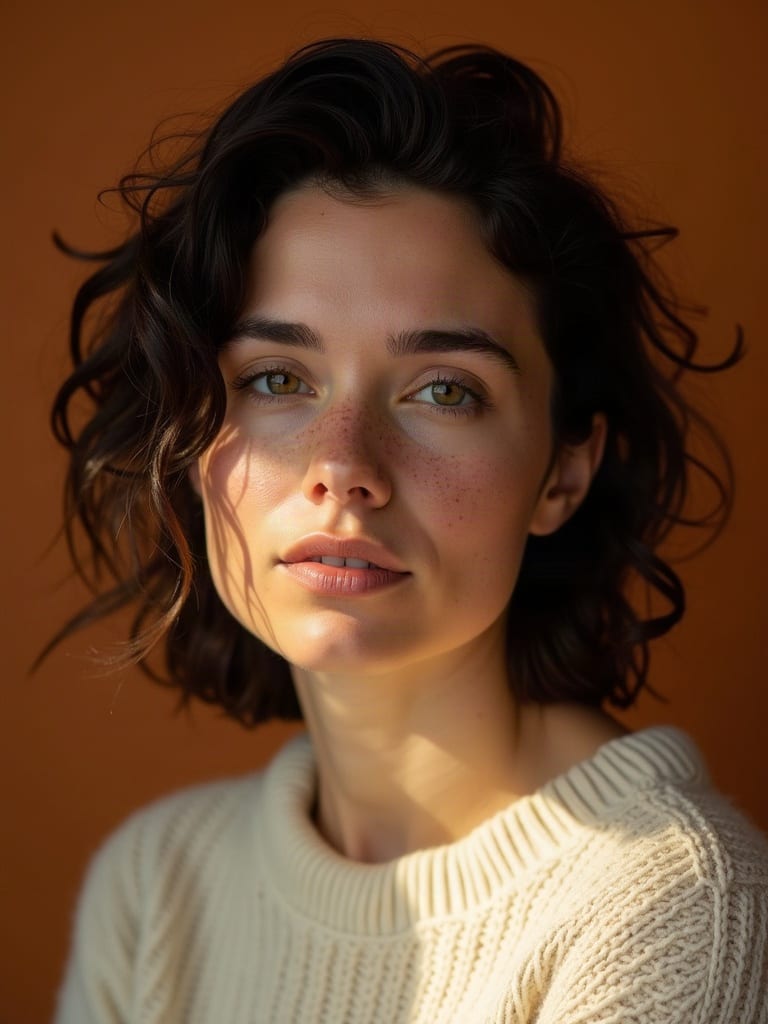
Organic textures and anatomy
Render tactile micro-textures, authentic skin pores, and anatomically accurate hands and joints grounded in natural physical contact.
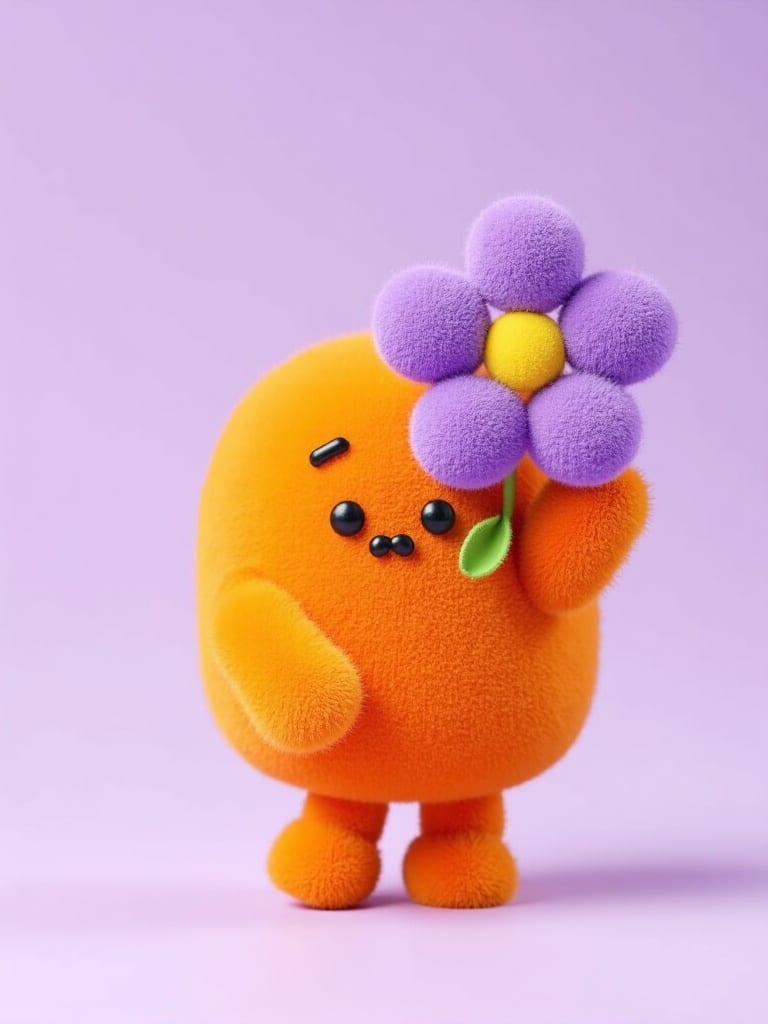
Bespoke style adapter integration
Activate custom style LoRA variants at 48.3 credits to impose consistent brand aesthetics and handcrafted mediums onto complex prompt hierarchies.
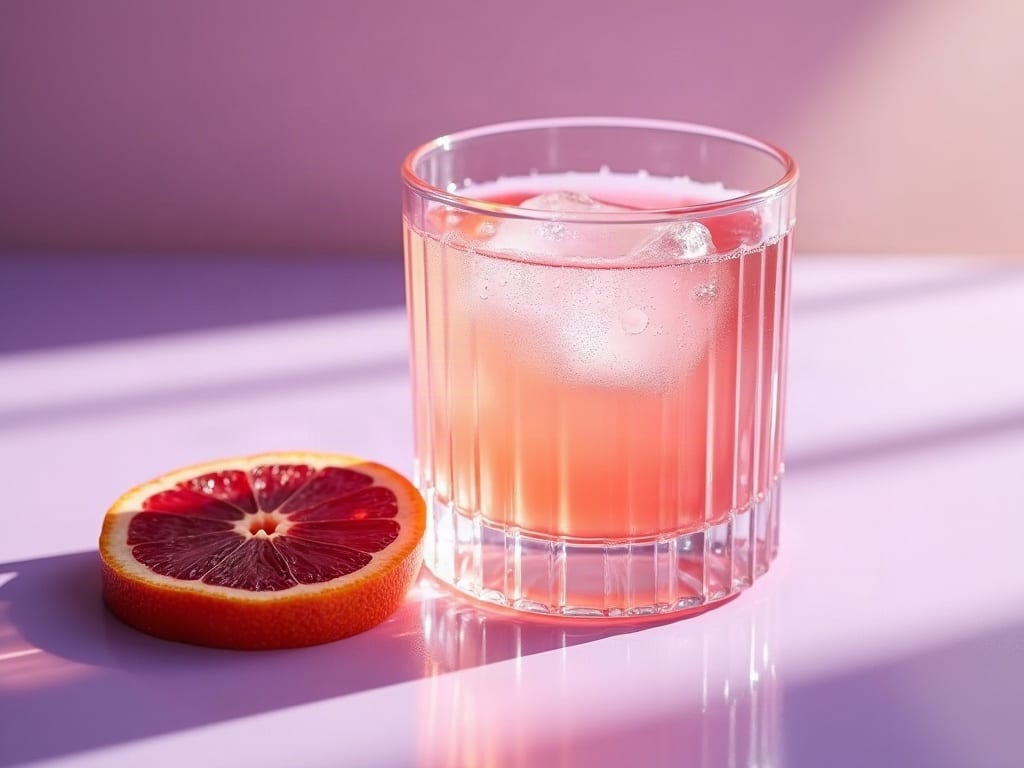
Refractive glass and liquid depth
Simulate realistic light physics through ice, curved glassware, and liquid surfaces using 28 to 50 inference steps for crisp optical clarity.
A curated gallery demonstrating photorealistic materials, dynamic studio fashion, cinematic lighting, and sharp embedded lettering.
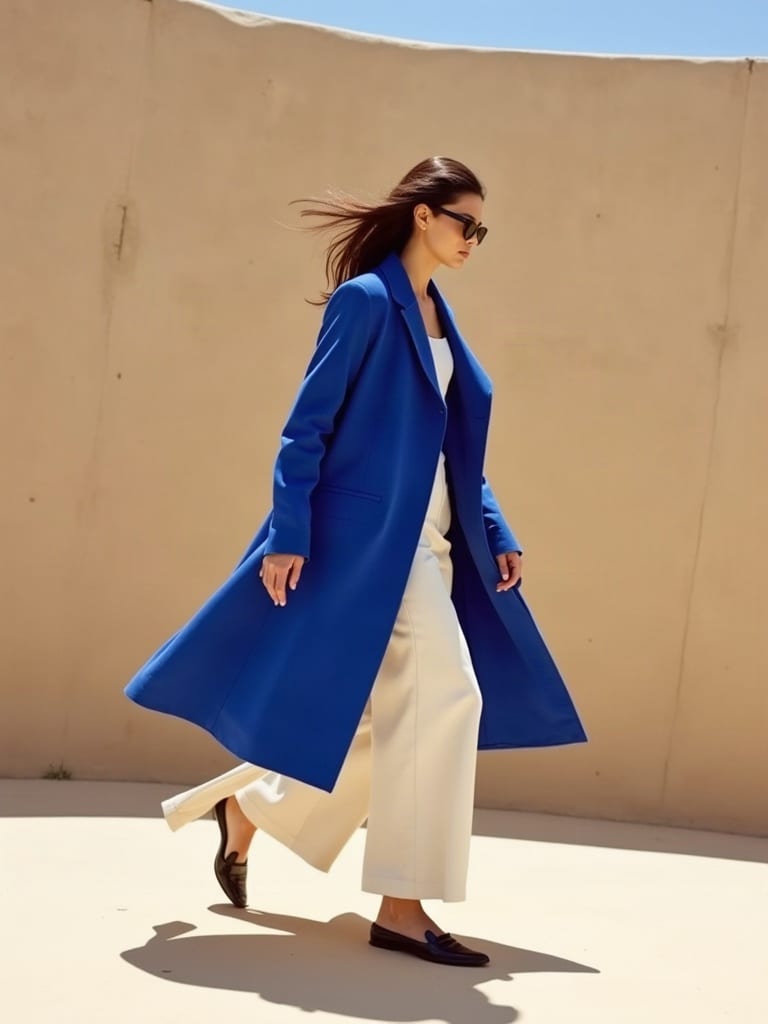
High-gloss editorial fashion photography
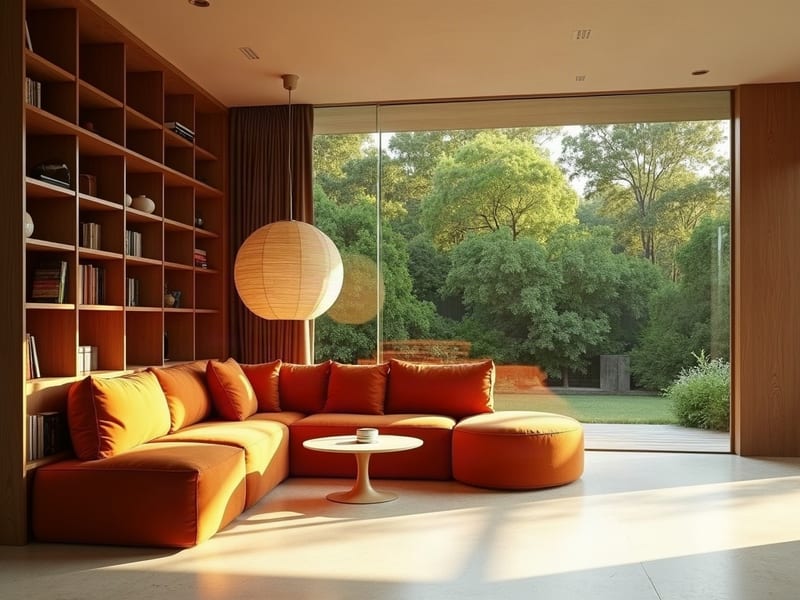
Architectural interior composition
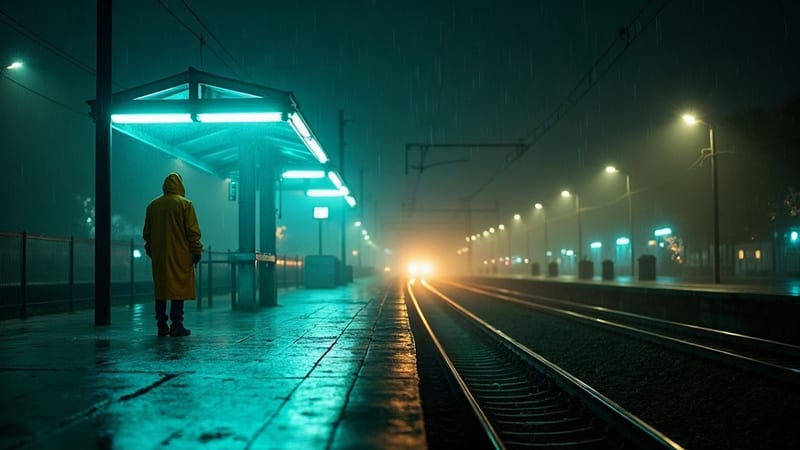
Atmospheric cinematic narrative frame
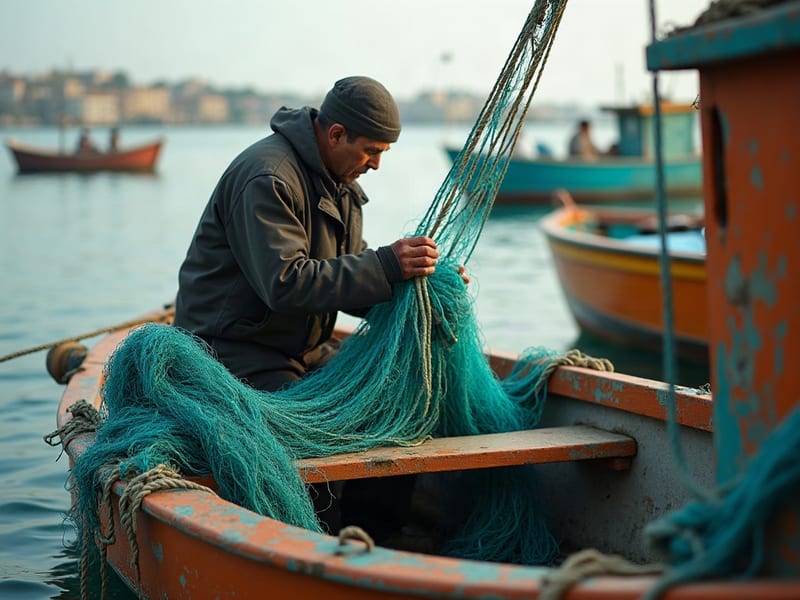
Documentary archival reportage
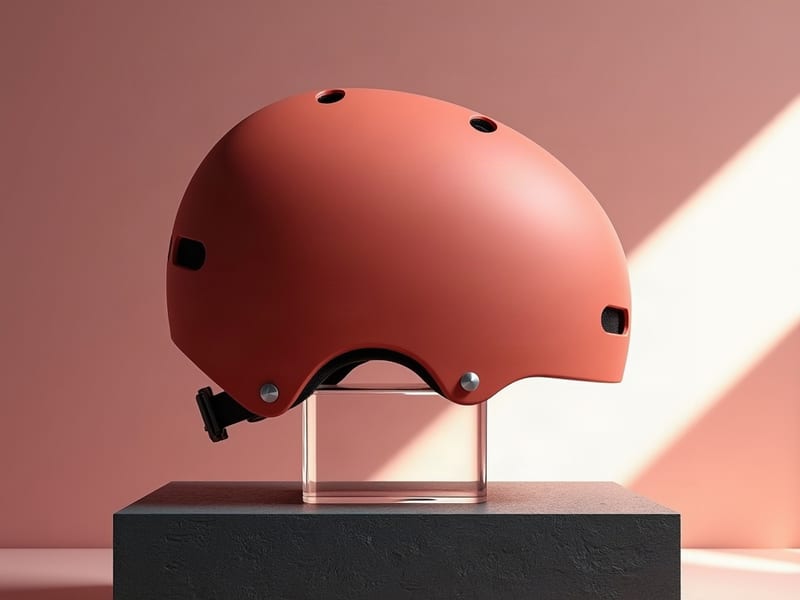
High-impact athletic product still
Creative directors, brand designers, and visual artists rely on high prompt adherence and style adaptability for production-ready assets.
The standard variant generates imagery using the base model's native photorealistic aesthetic, whereas the LoRA variant integrates custom style adapters to enforce specific artistic aesthetics like watercolor, vector art, or branded character design. LoRA variants run at a 48.3-credit rate compared to 34.5 credits for standard generation due to initializing custom adapter weights.
Use image-to-image when you need to preserve the compositional layout, silhouette, or geometry of an existing source image while altering styling, subjects, or textures. Standard text-to-image generation builds compositions entirely from descriptive prompts, offering unconstrained creative freedom from scratch.
A guidance scale between 3.5 and 4.0 delivers balanced prompt adherence, while lowering the scale to 1.5–3.0 enhances creative interpretation and photorealism. Increasing guidance to 5.0–10.0 enforces strict alignment for typography and vector graphics, though exceeding 7.0 risks over-saturation and visual artifacts.
The default setting of 28 inference steps provides the ideal balance between generation speed, skin texture clarity, and detail fidelity. For complex scenes featuring multi-layered reflections, intricate glass refractions, or tiny legible text, increasing the step count up to 50 yields maximum clarity.
Descriptive natural prose that outlines subject hierarchy, materials, camera specs, and volumetric lighting yields the highest quality. Avoid comma-separated keyword tag soup, negative-prompt phrases, or weighted parentheses, as the flow transformer interprets all syntax literally.
Render nuanced tactile textures, crisp embedded typography, and intricate multi-subject compositions with lifelike lighting