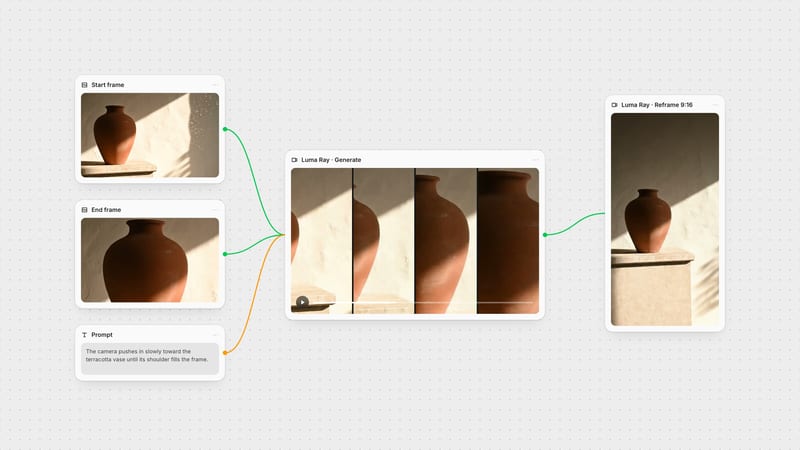
One click, whole workflow
Recipes are here. Package a whole workflow and run it in one click
Explore recipesOne click, whole workflow
Recipes are here. Package a whole workflow and run it in one click
Explore recipesbyLuma AI
Autoregressive image generation with scene-planning reasoning, multi-reference identity consistency, and dedicated manga styling

How Luma Uni-1 plans, conditions, and synthesizes structured visual imagery.
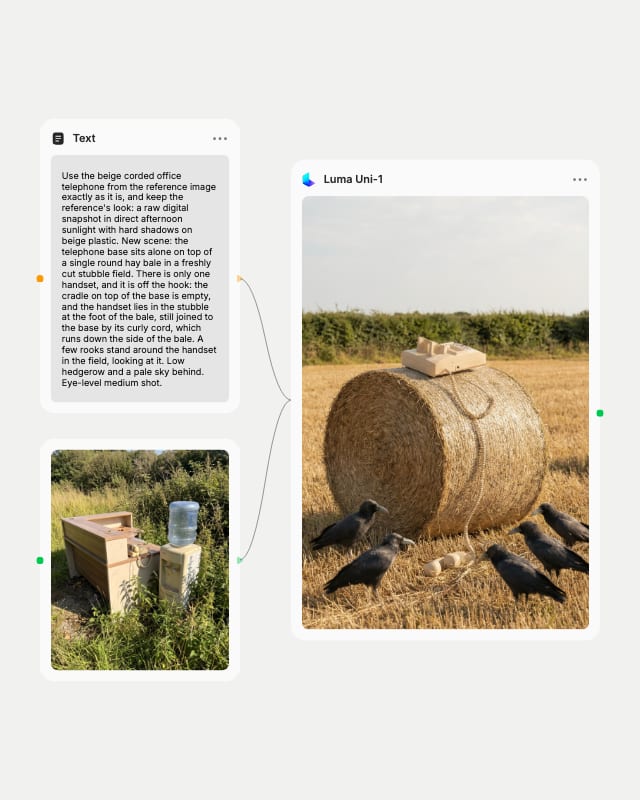
Structure prompt and references
Compose your descriptive scene prompt and upload reference images to anchor character identity or artistic style.
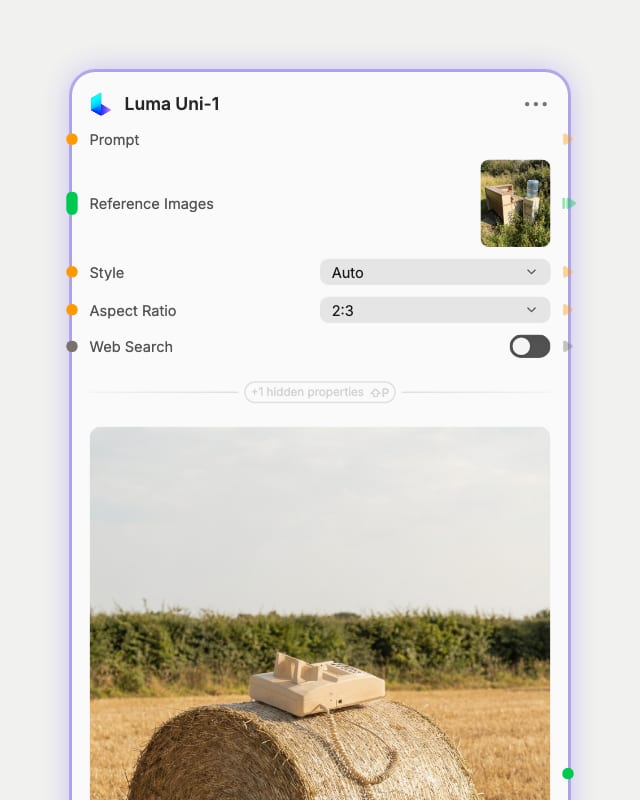
Configure style and web search
Choose between auto and manga rendering modes, and toggle web search grounding for real-world factual accuracy.
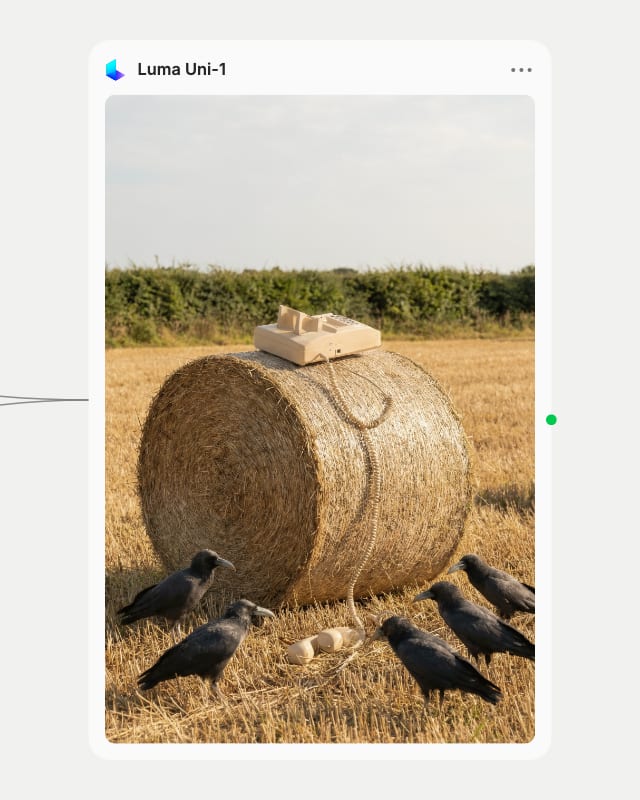
Generate reasoned output
Receive a structurally coherent image synthesized through autoregressive scene planning and clean boundary definition.
Core capabilities spanning autoregressive reasoning, multi-reference conditioning, and specialized comic rendering.
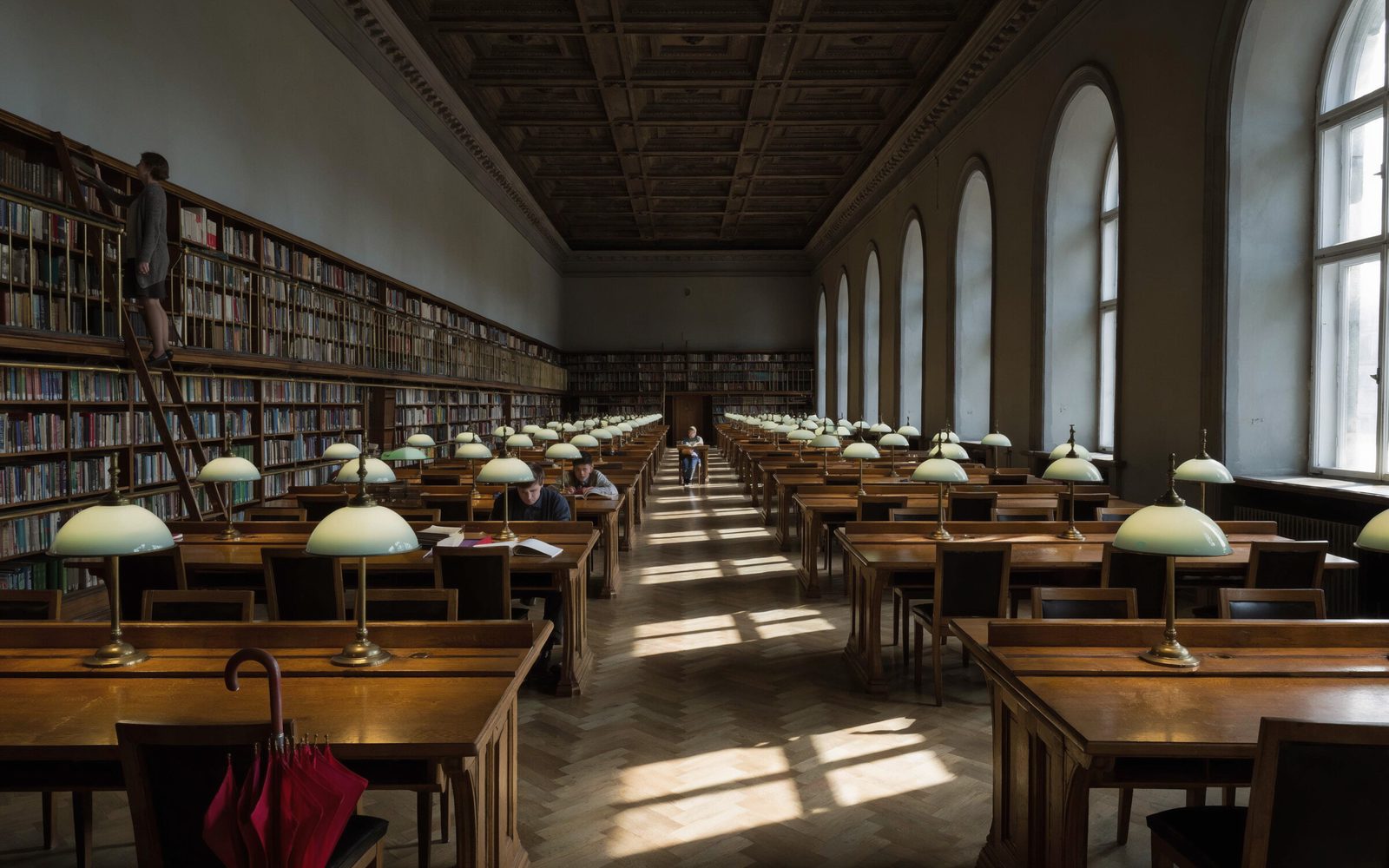
Agentic Scene Reasoning
Uni-1 employs a decoder-only autoregressive transformer to logically plan scene composition, object scale, and spatial relationships before rendering final pixels.
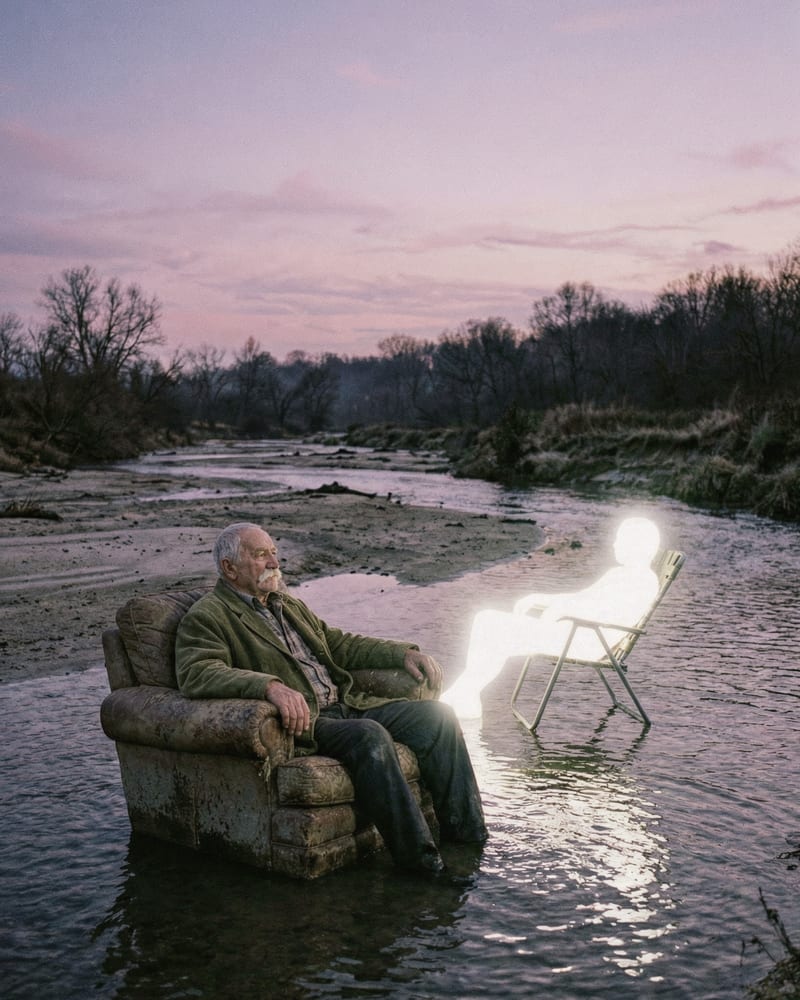
Multi-Reference Conditioning
Ingest multiple reference images simultaneously to preserve character likeness, specific wardrobe textures, and lighting palettes across sequential generations.

Authentic Manga Engine
Switch to dedicated manga mode to synthesize traditional Japanese comic pages featuring crisp G-pen ink linework, dynamic speed lines, and authentic halftone screentones.
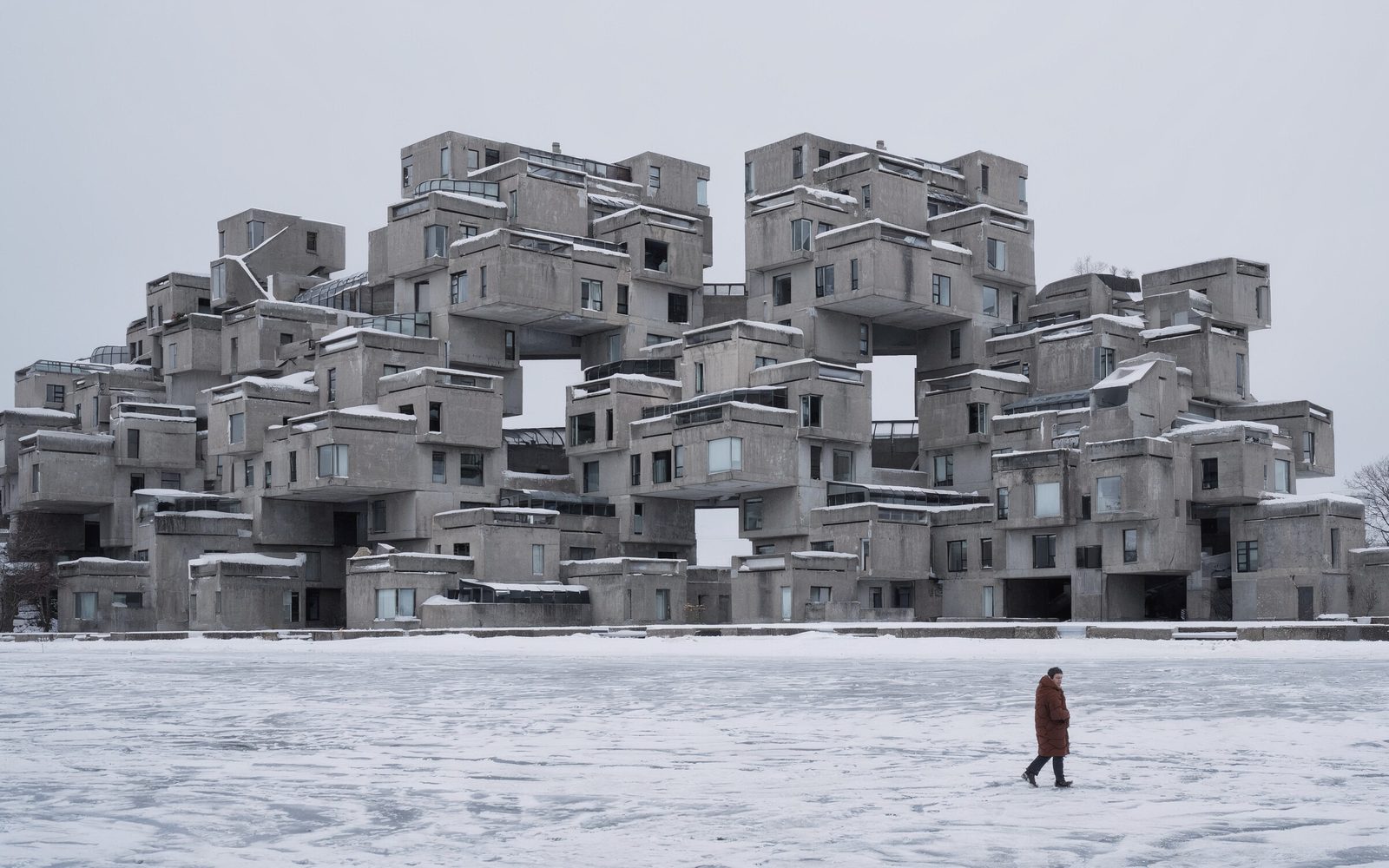
Web Search Grounding
Activate built-in web search planning to ground concept art in verified real-world architecture, modern vehicle designs, and cultural artifacts without hallucinated details.
A visual gallery highlighting structural coherence, authentic manga screentones, and tactile material definition.
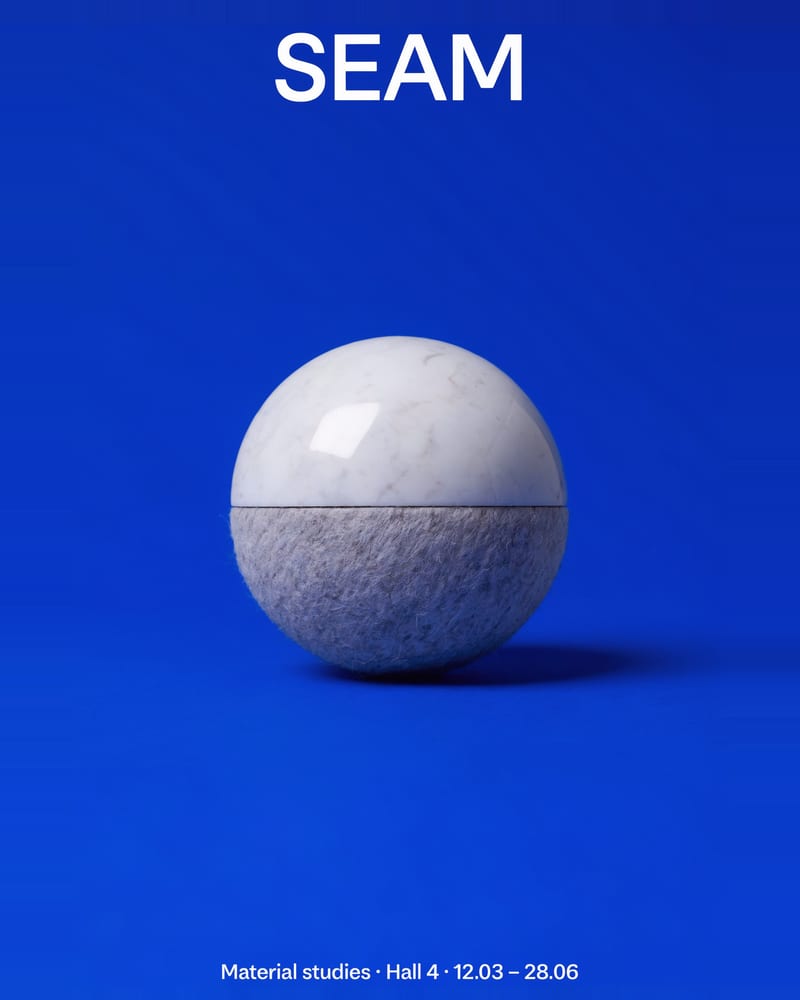
Conceptual poster design with crisp material boundaries
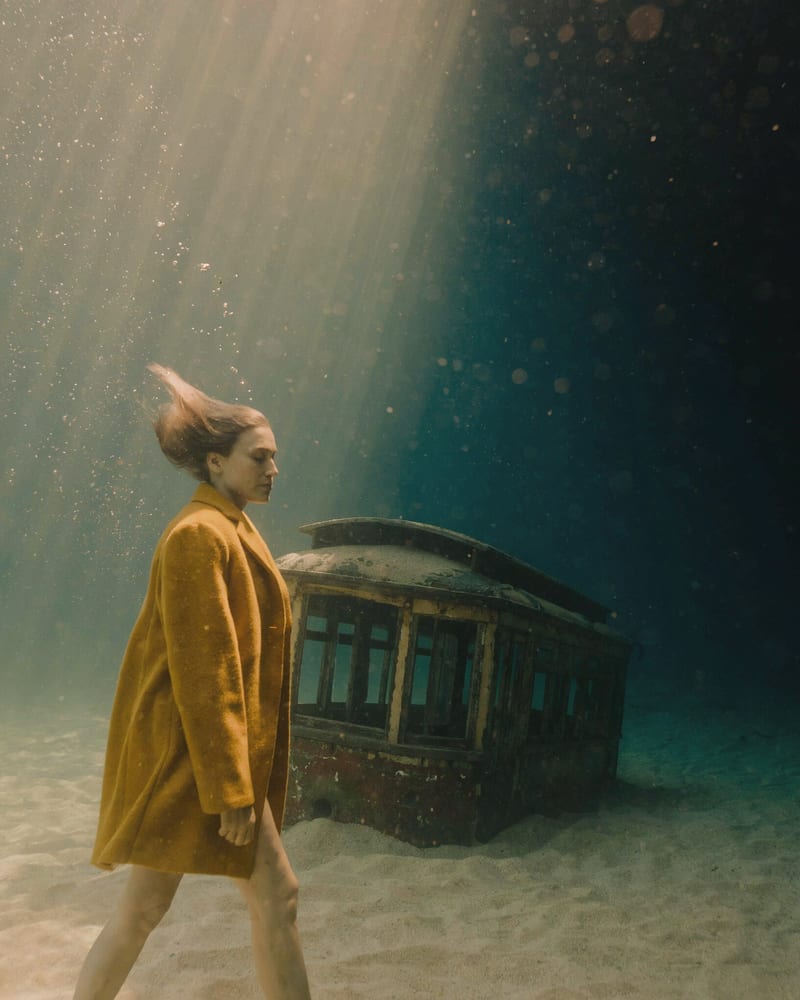
Cinematic narrative frame with directional underwater illumination
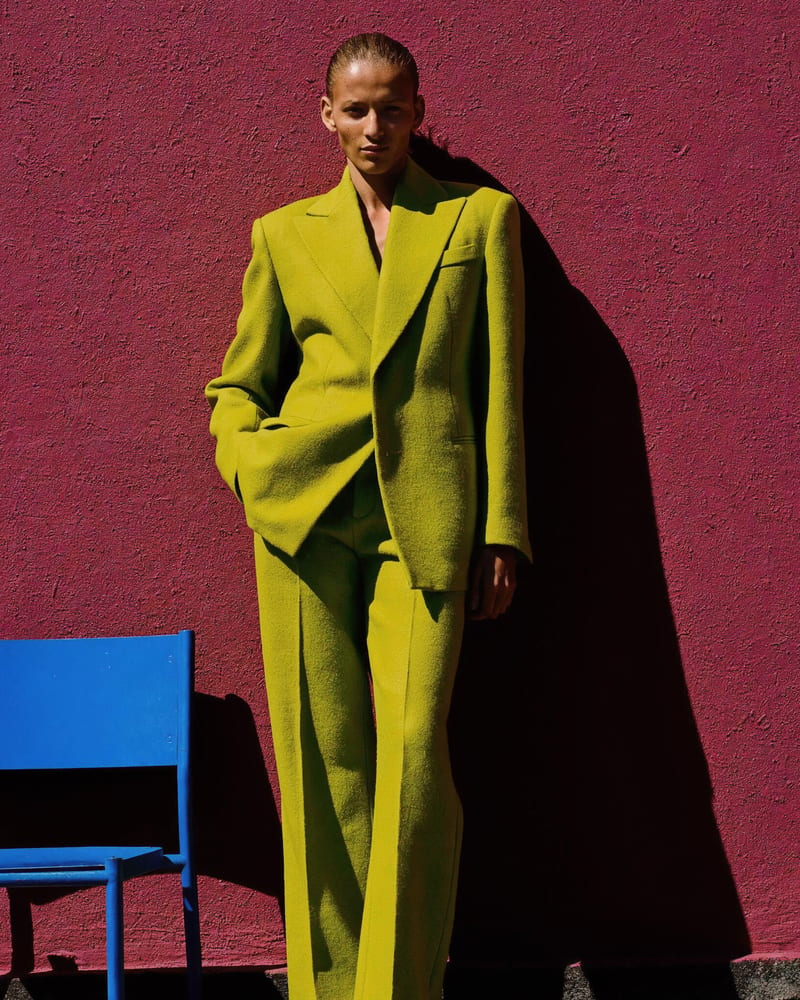
High-contrast editorial lookbook with vivid chromatic tension

Tactile archival documentary capture with natural window light
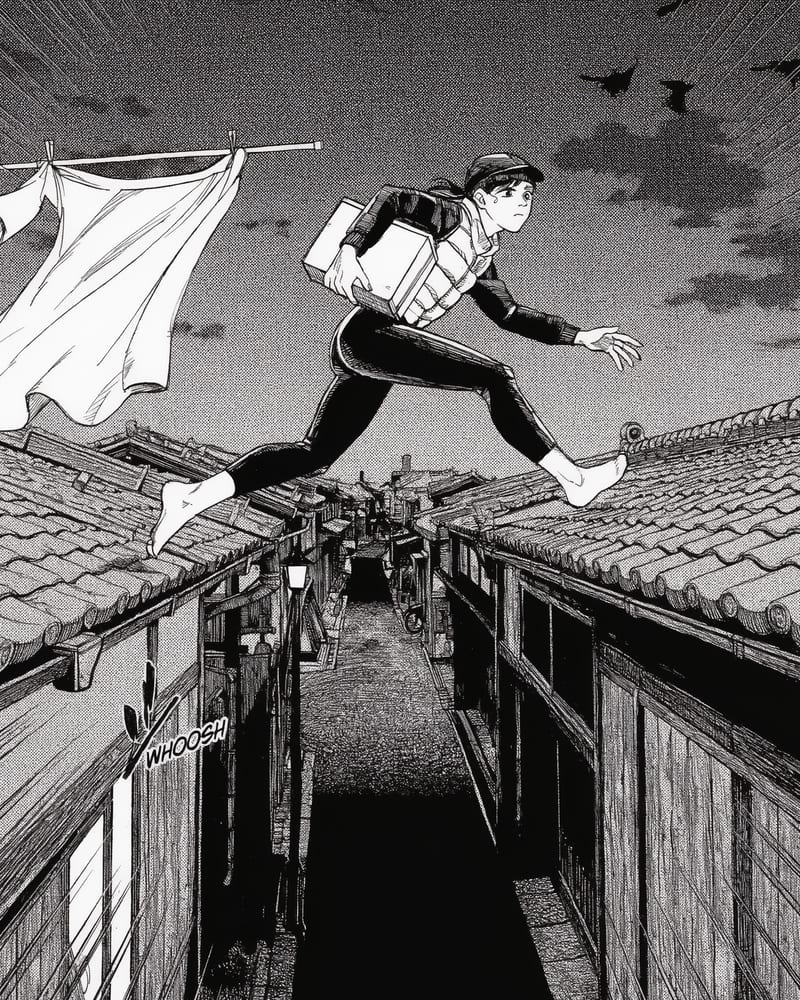
Serialized manga splash page with authentic halftone screentones
From serialized comic production to fact-grounded concept art, explore how creators deploy Uni-1 across production pipelines.
Luma Uni-1 is an agentic, reasoning-first text-to-image model developed by Luma AI that uses an autoregressive transformer architecture to plan scenes before generating pixels. Unlike conventional diffusion models that iteratively denoise random noise fields, Uni-1 processes text and visual tokens sequentially. This internal reasoning step enables precise spatial layouts, complex multi-entity relationships, and clean object boundaries without diffusion-style melting.
The manga style mode renders authentic Japanese comic aesthetics including traditional G-pen ink linework, dynamic cross-hatching, and true monochrome screentones. Selecting the manga style parameter configures the model's visual token generator specifically for sequential comic panels and graphic novel layouts rather than photorealistic textures.
When web search is enabled, the model actively retrieves real-world reference data during the scene planning phase to ground generation in factual reality. This is particularly effective when prompting for specific modern architectural landmarks, real-world product designs, or contemporary cultural artifacts that require accurate physical and visual details.
You can pass multiple reference images into Uni-1 to condition character identity, clothing consistency, or overall artistic style. For optimal results, explicitly define the role of each reference image in your text prompt—such as designating one image for facial likeness and another for compositional lighting.
Uni-1 excels at sequential manga and comic panels, multi-image character consistency, complex multi-object spatial compositions, and fact-grounded concept art. Creators should avoid using Uni-1 for sub-second real-time iteration loops or workflows that rely on chaotic, unprompted analog film grain and diffusion noise artifacts.
Autoregressive image generation with scene-planning reasoning, multi-reference identity consistency, and dedicated manga styling