Recipev1
3D Cute Printable Charm or Keychain
3D model
Generated 3D Keychain
3D keychain design
Describe a cute keychain or charm in text and create a 3D mesh that can be downloaded as an STL file.
Generated 3D Keychain
A recipe turns a reusable workflow into a simple set of inputs and outputs. Start with a community recipe and make it your own in Fuser.
1. Choose a recipe
Find a workflow for the result you want. Review what it does and how to use it before opening it in Fuser.
2. Make it your own
Check the recipe’s available inputs. Add your own text or media where supported, or start with the saved defaults.
3. Run and refine
Run the recipe in Fuser and review the result on your canvas. Adjust any available inputs when you want to try another direction.
Use a short character or object description to develop 3D charm concepts for personal, product, and collectible projects.
It turns a text description of a desired keychain or charm into a generated 3D mesh. The recipe description identifies the downloadable result as an STL file.
It is useful for people developing cute charms, keychains, collectible concepts, or small product ideas. The Product & Industrial and Toys & Collectibles categories reflect its focus on designed physical objects and playful forms.
Enter a plain-language explanation of the keychain or charm you want, such as “A dumpling with a cute face.” In Fuser, you can change this exposed text input to describe a different subject or concept.
The saved default example uses the description “A dumpling with a cute face” and connects it to the generated 3D keychain output. It shows one example of the recipe, rather than a live generation for a new prompt.
Yes, the exposed customization is the text description of the keychain you want. Changing that description lets you request a different subject, while the recipe continues to produce a generated 3D keychain mesh.
The recipe description says the generated result can be downloaded as an STL file, a format commonly used in 3D-printing workflows. The recipe does not specify separate print settings or guarantee that every generated mesh will be ready to print without further checking.
It fits cute keychain and charm concepts, collectible design explorations, personalized gift ideas, and early product prototypes. It is focused on creating a 3D mesh from a described object rather than producing unrelated images or documents.
Describe the keychain or charm you want, then use the generated mesh as an STL-based starting point for your project.
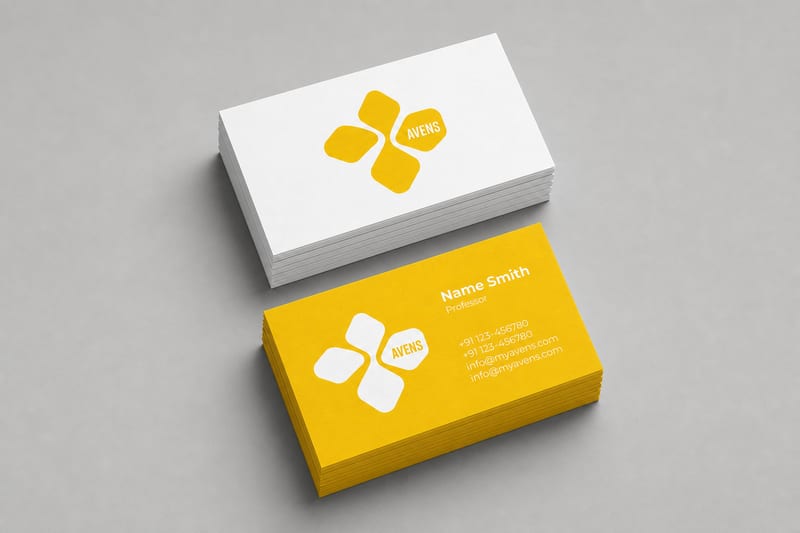
Turn one logo into business card, letterhead, tote bag, socks, hat, and shirt mockups.
Place one UI design image into phone, tablet, and desktop mockups for realistic product presentation previews.
Upload one image to explore six lighting versions, from studio daylight and soft white to dramatic spotlight and golden hour.