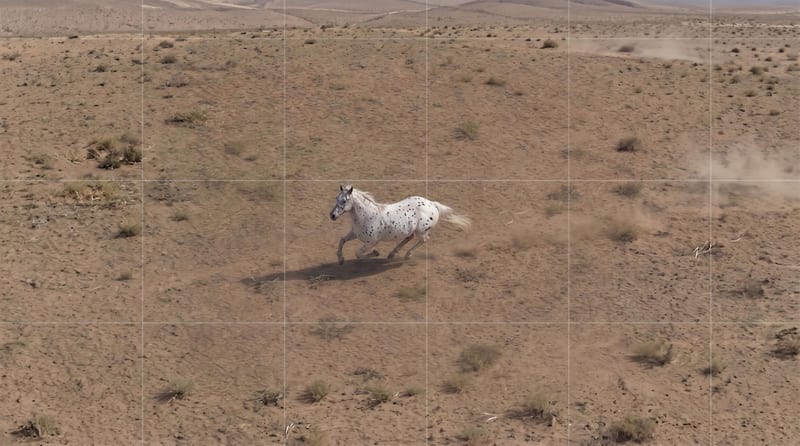
Recipev2
Camera Tilt
0:00 / 0:00
Camera Tilt Video
One click, whole workflow
Recipes are here. Package a whole workflow and run it in one click
Explore recipesFilm & Entertainment
Turn a single source image into a video with a vertical camera movement that reveals details or emphasizes height.
Camera Tilt Video
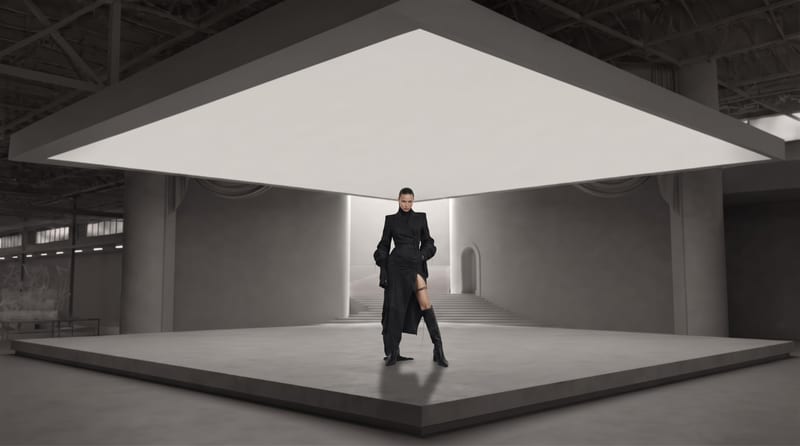
A recipe turns a reusable workflow into a simple set of inputs and outputs. Start with a community recipe and make it your own in Fuser.
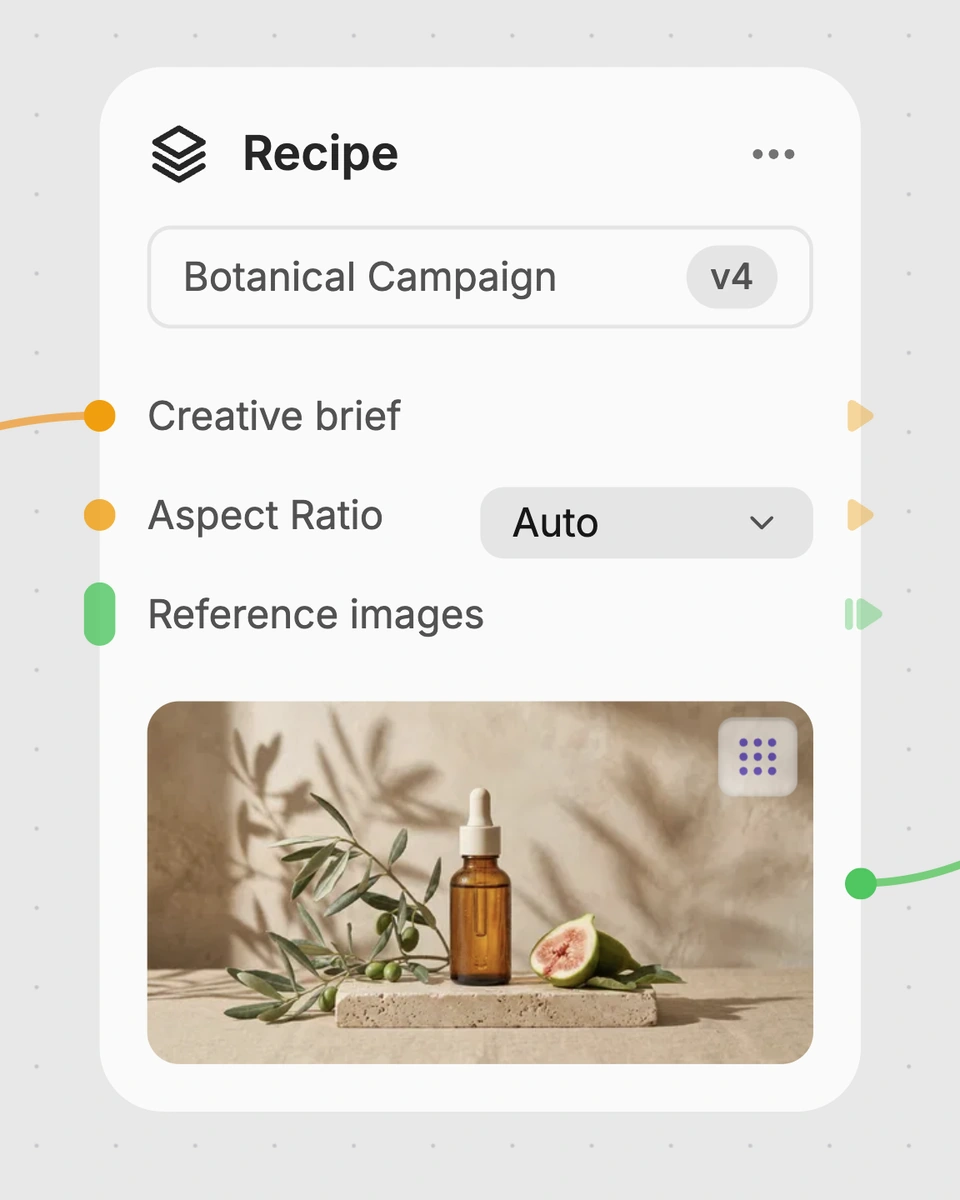
1. Choose a recipe
Find a workflow for the result you want. Review what it does and how to use it before opening it in Fuser.
2. Make it your own
Check the recipe’s available inputs. Add your own text or media where supported, or start with the saved defaults.
3. Run and refine
Run it in Fuser and review the result on your canvas. Tweak the inputs to try another direction.
Use the image-to-video result to plan, present, or develop vertical camera movement in film and entertainment workflows.
It takes one Source Image and produces a Camera Tilt Video. The movement travels vertically upward or downward, helping reveal details or emphasize height.
It is intended for film and entertainment workflows that need a simple moving example from a still image. It can help with shot concepts, visual storyboards, and communicating camera movement to collaborators.
Prepare the image you want to use as the basis for the camera movement. Source Image is the recipe’s exposed image input, and visitors can replace it in Fuser.
The saved example shows the recipe’s default Source Image connected to its Camera Tilt Video output. It demonstrates the image-to-video workflow rather than a live generation on this page.
You can change the Source Image in Fuser. The recipe description supports a vertical tilt upward or downward, but no separate direction or movement control is listed among the exposed inputs.
The recipe produces a Camera Tilt Video from the selected image. The output is intended to show a vertical camera movement that reveals details or emphasizes height.
The recipe accepts a Source Image, but the most relevant uses are images where an upward or downward movement can reveal information or reinforce vertical scale. The recipe does not specify additional image-format, subject, or styling requirements.
Bring a Source Image to Fuser and create a Camera Tilt Video for your next film or entertainment concept.
Develop film treatments, character and environment concepts, storyboards and motion studies. Connect image, video and 3D exploration in Fuser.
Develop storyboard frames, shot variations and video studies from your references. Compose clear boards and explore movement in one Fuser project.
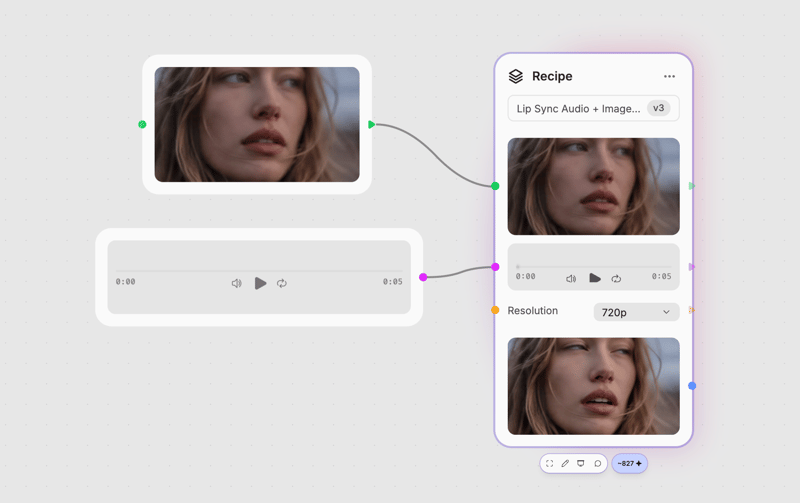
Combine an image and audio clip to create a video of the pictured person speaking the provided audio.
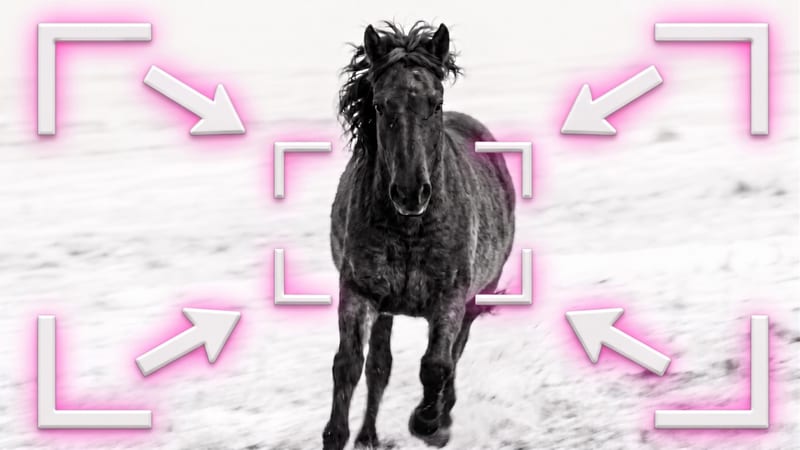
Turn a source image into a video that moves the framing closer through increased focal length while the camera stays stationary.
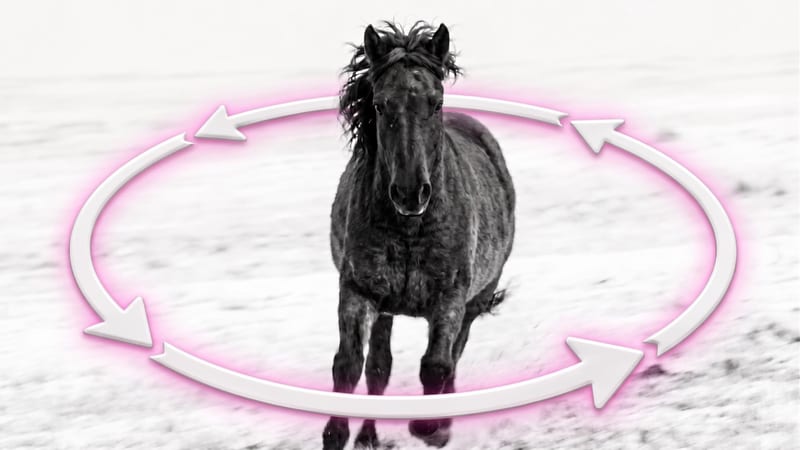
Upload one source image to create a video that moves the camera in a smooth arc around the subject while keeping it in focus.