Recipev2
Roblox Style Converter
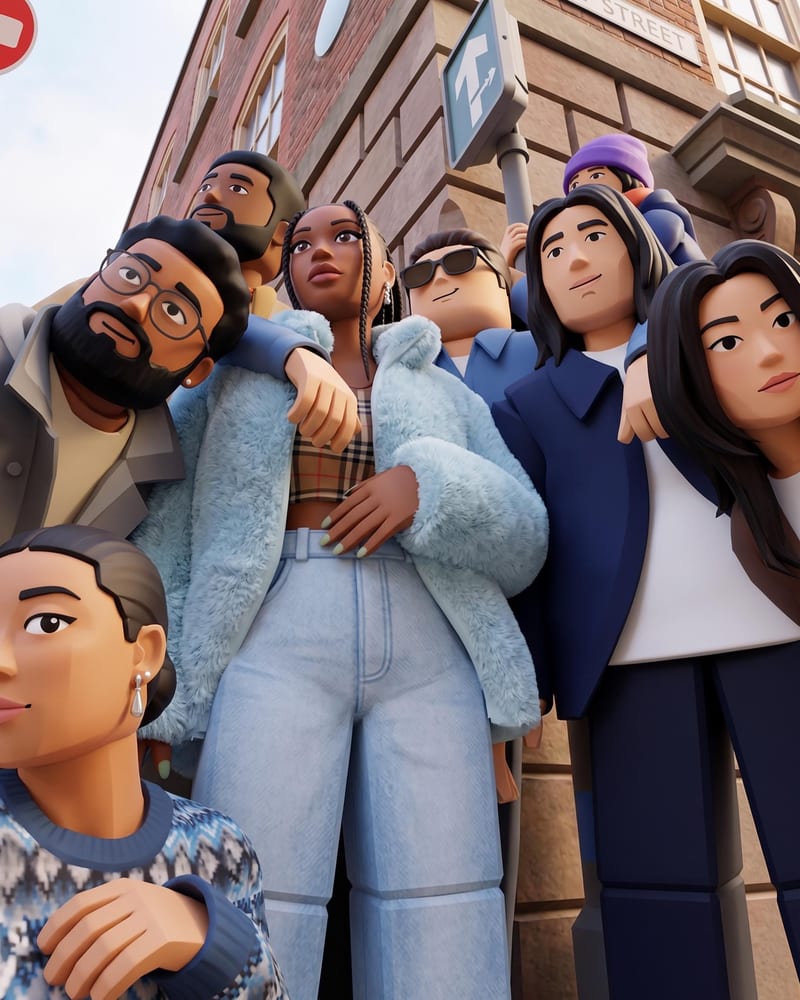
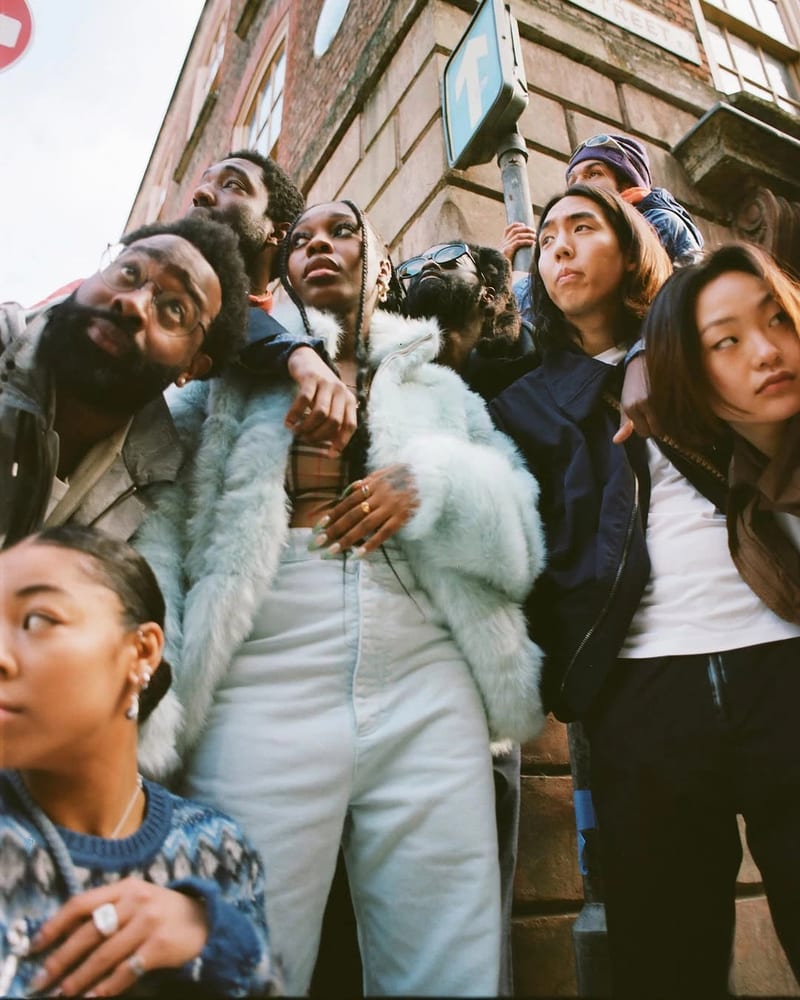
Roblox Style
Roblox Style Conversion
Turn a source image into a Roblox-style recreation that keeps its original scene, composition, subjects, and key visual details.
Roblox Style
A recipe turns a reusable workflow into a simple set of inputs and outputs. Start with a community recipe and make it your own in Fuser.
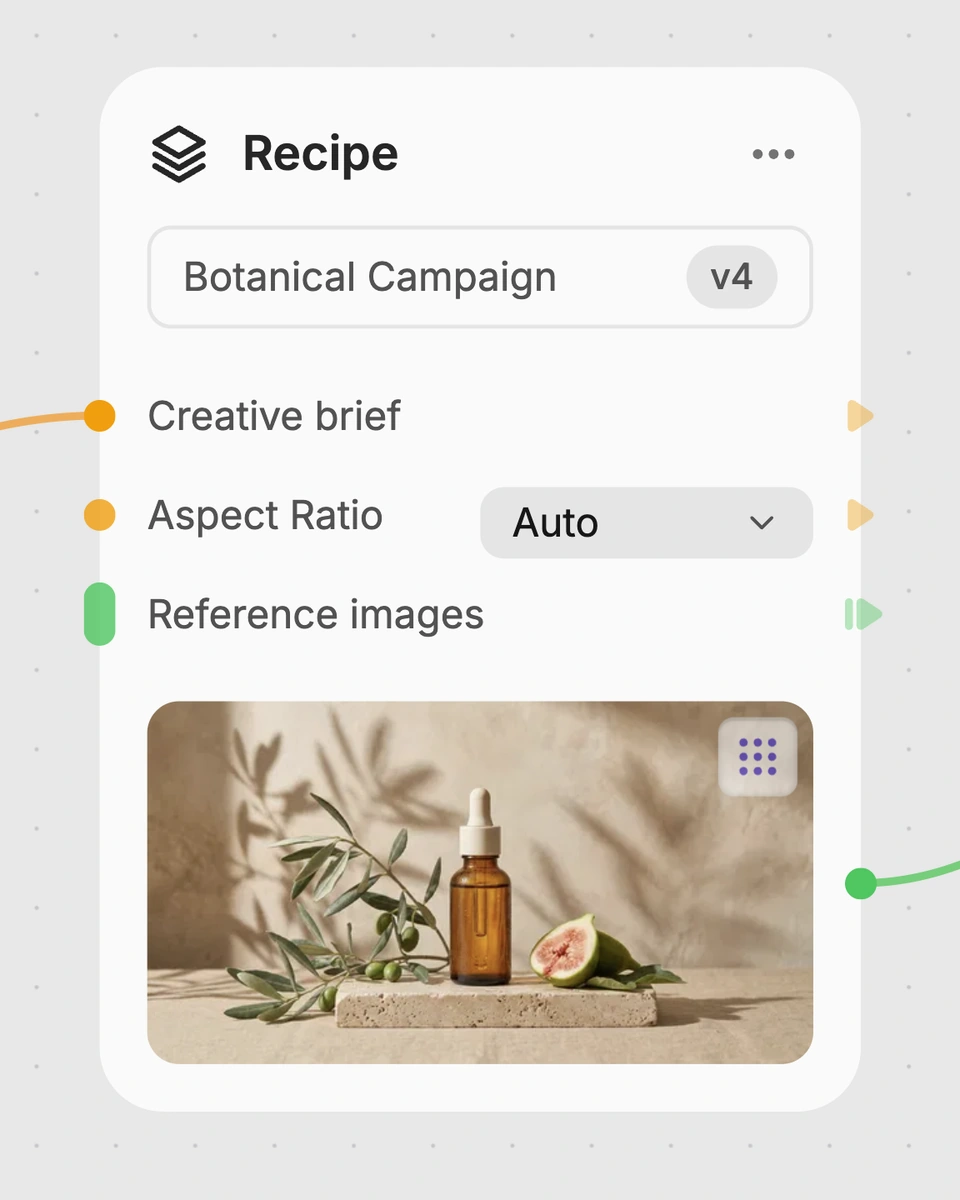
1. Choose a recipe
Find a workflow for the result you want. Review what it does and how to use it before opening it in Fuser.
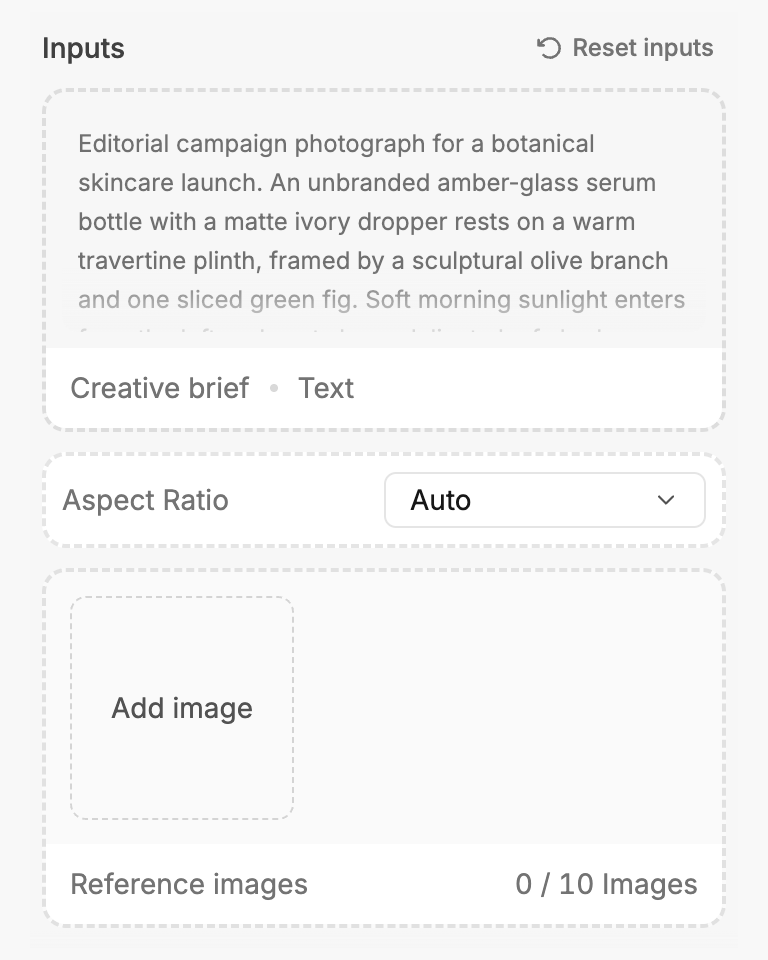
2. Make it your own
Check the recipe’s available inputs. Add your own text or media where supported, or start with the saved defaults.
3. Run and refine
Run the recipe in Fuser and review the result on your canvas. Adjust any available inputs when you want to try another direction.
Use a source image to explore Roblox-style versions of scenes and visual concepts across gaming, entertainment, and illustration.
It transforms one source image into a Roblox-style recreation. The recipe is suited to people exploring gaming, entertainment, or illustration concepts while keeping the original scene, composition, subjects, and key visual details.
The recipe accepts one editable input: Source Image. Choose the image you want to transform, then change that input in Fuser when you are ready to create a new example.
The output is one image labeled Roblox Style. It represents the source image as a Roblox-style recreation rather than producing a separate text description or another output type.
Yes. Source Image is the exposed editable input, so you can replace the saved example with another image in Fuser. The saved page example shows the default source connected to the Roblox Style output; it is not a live run of a new image.
It can help game creators, entertainment teams, and illustrators explore how an existing scene or visual reference might look in a Roblox style. It is also useful for concept discussions and presentation imagery where the original composition remains important.
The recipe is described as preserving the original scene, composition, subjects, and key visual details while changing the image into a Roblox-style recreation. The exact appearance of a new output will depend on the source image used.
No other output type is listed for this recipe. Its named result is the Roblox Style image, so it is intended for visual recreation rather than text, animation, or other formats.
Bring a source image into Fuser and explore its Roblox-style recreation while retaining the scene’s defining visual details.
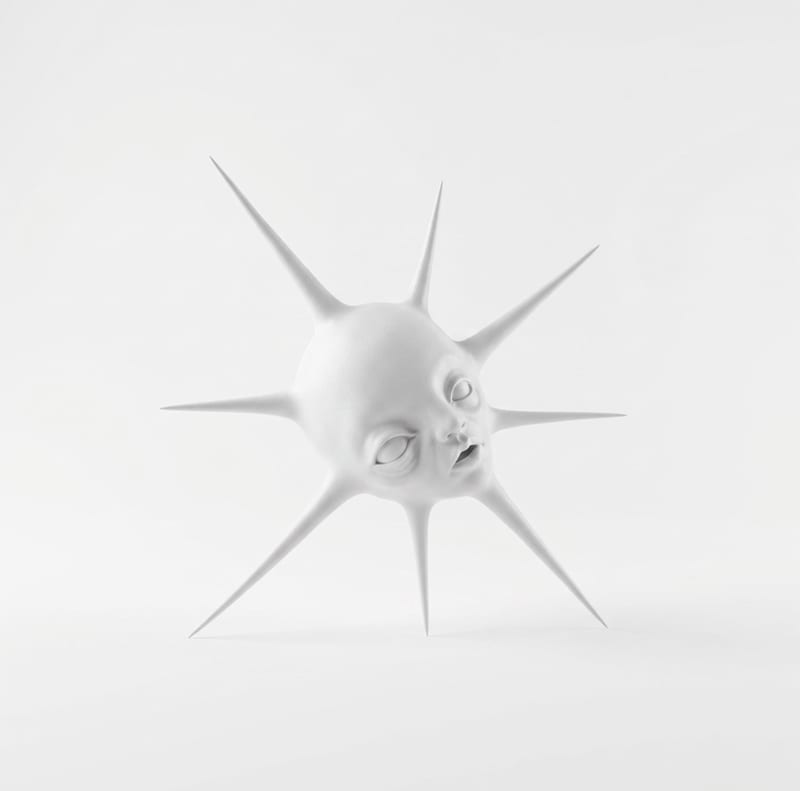
Transform one rough sketch image into a 3D model and a render for film, gaming, and art workflows.
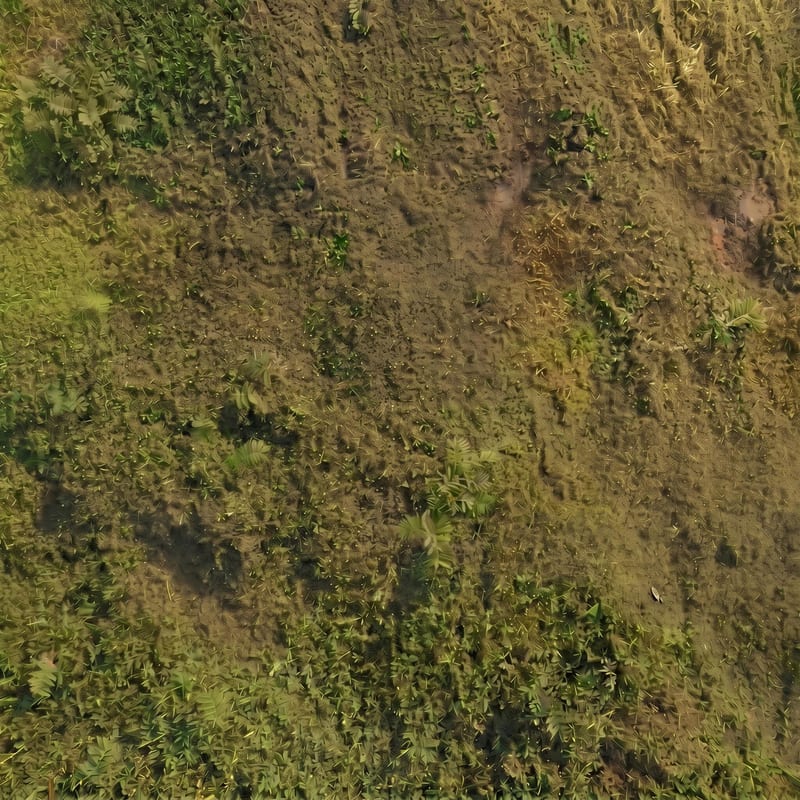
Upload a focused ground-surface image to create base color, normal, roughness, and ambient occlusion maps.
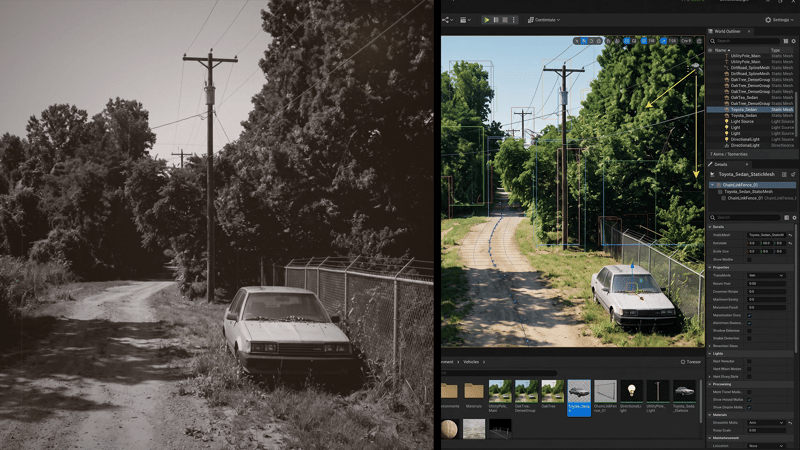
Upload a scene reference image to receive text breakdowns for assets, camera, lighting, materials, and spatial layers.