One click, whole workflow
Recipes are here. Package a whole workflow and run it in one click
Explore recipesOne click, whole workflow
Recipes are here. Package a whole workflow and run it in one click
Explore recipesbyTencent Hunyuan 3D Digital Human Team
Turn natural language motion descriptions into biologically plausible 3D skeletal animations and FBX capture files in seconds
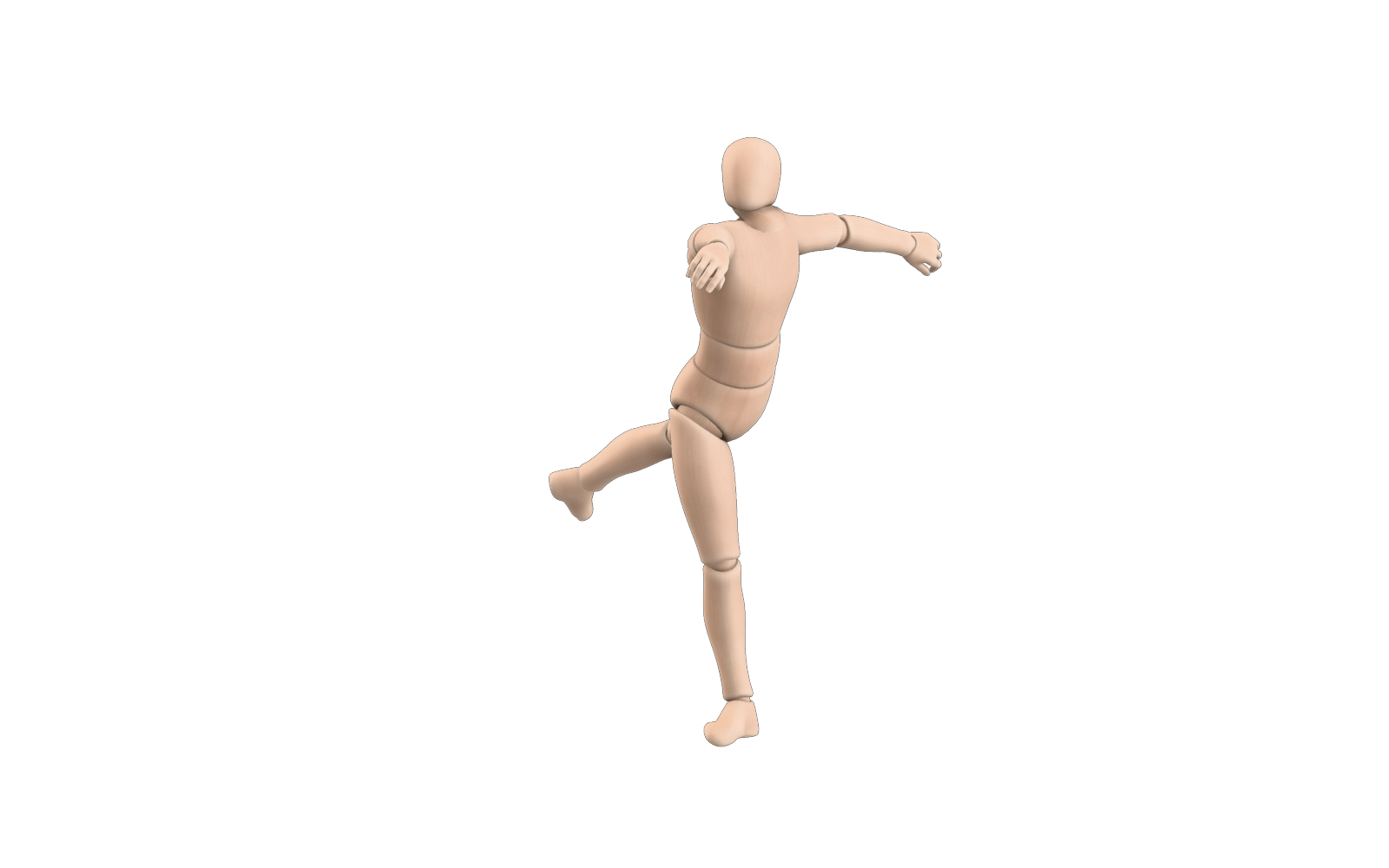
Drafting biomechanically sound 3D skeletal data is as straightforward as describing the body's physical choreography and dialing in sequence timing.
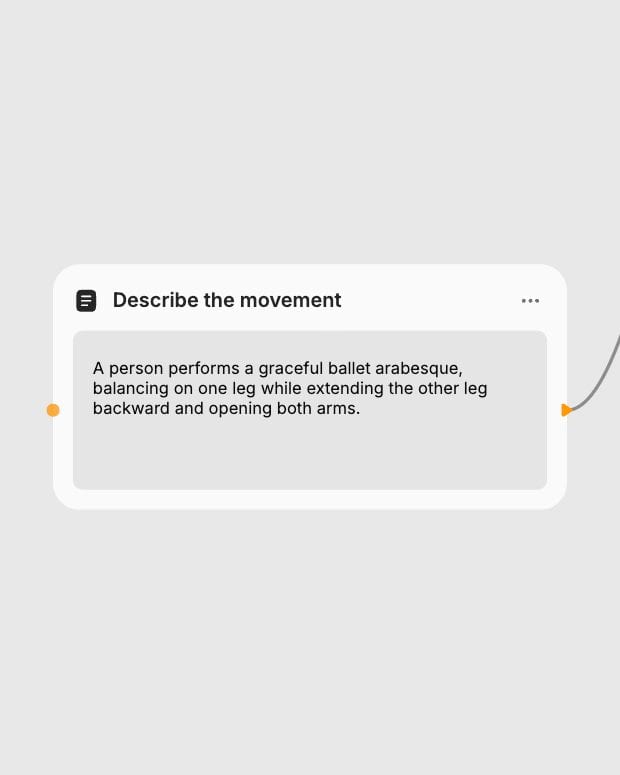
Describe joint and body movement
Enter a concise natural language description detailing specific physical limb actions, steps, and momentum.
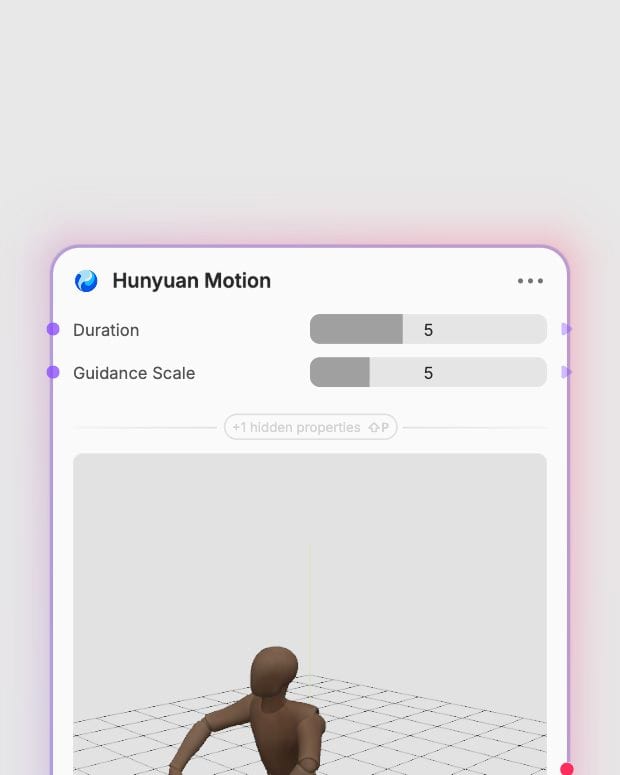
Tune timing and guidance
Set the sequence duration between 0.5 and 12 seconds and calibrate guidance scale to balance prompt fidelity with fluid biomechanics.
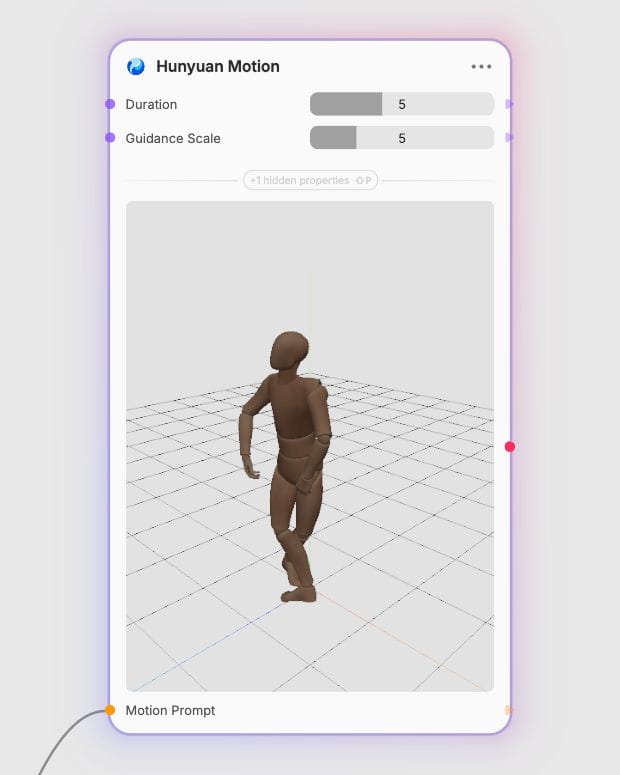
Export FBX skeletal data
Download standard SMPL-compatible 3D skeletal animations ready for retargeting in Blender, Maya, or Unreal Engine.
From a 1-billion parameter flow-matched transformer to RLHF-aligned physics, explore the core capabilities that power realistic human skeletal generation.
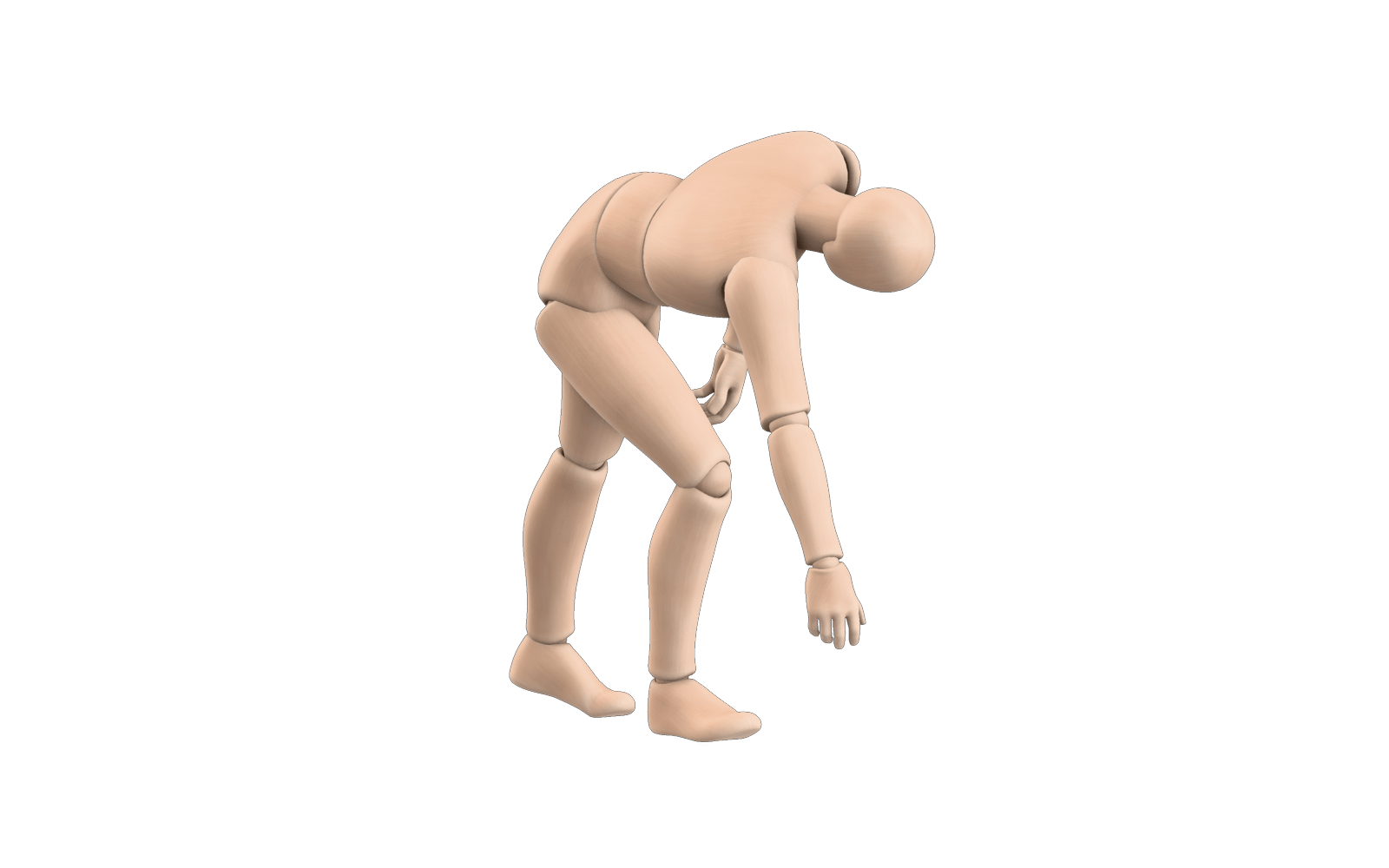
Flow-matched Diffusion Transformer
Built on a 1-billion parameter DiT architecture with Flow Matching and dual CLIP plus Qwen LLM encoders, translating complex sequential prompts into coherent joint trajectories.
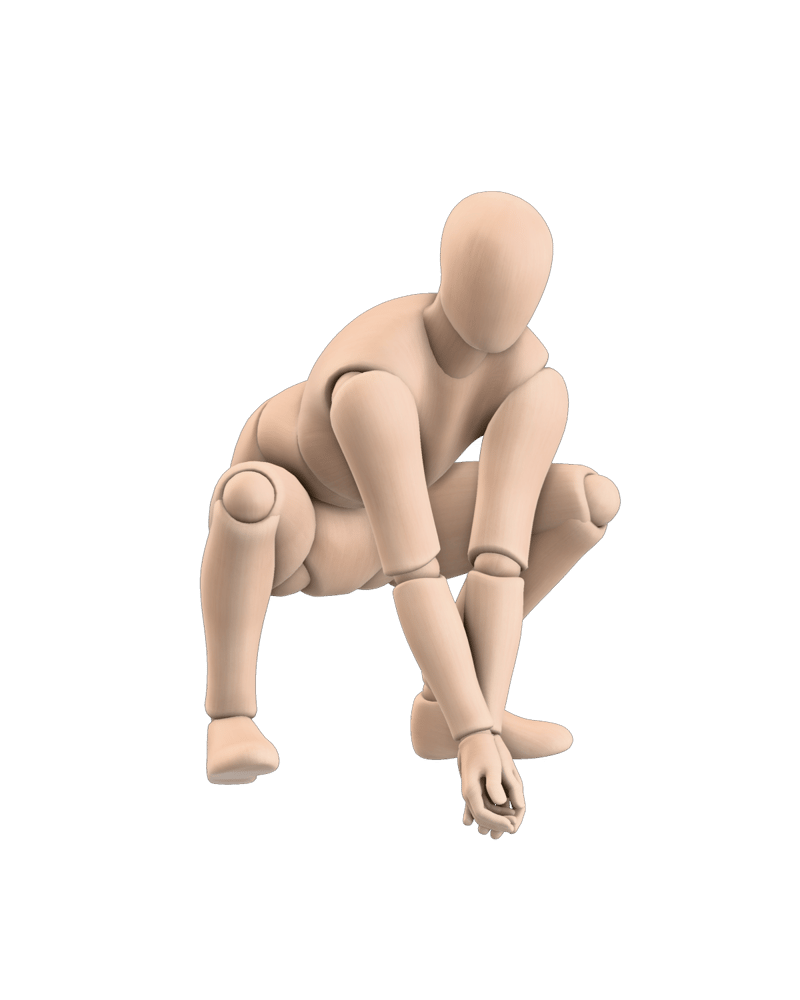
Biomechanical Physics Alignment
Trained on thousands of mocap hours and aligned via reinforcement learning to enforce natural joint limits, realistic weight distribution, and reduced foot-sliding.
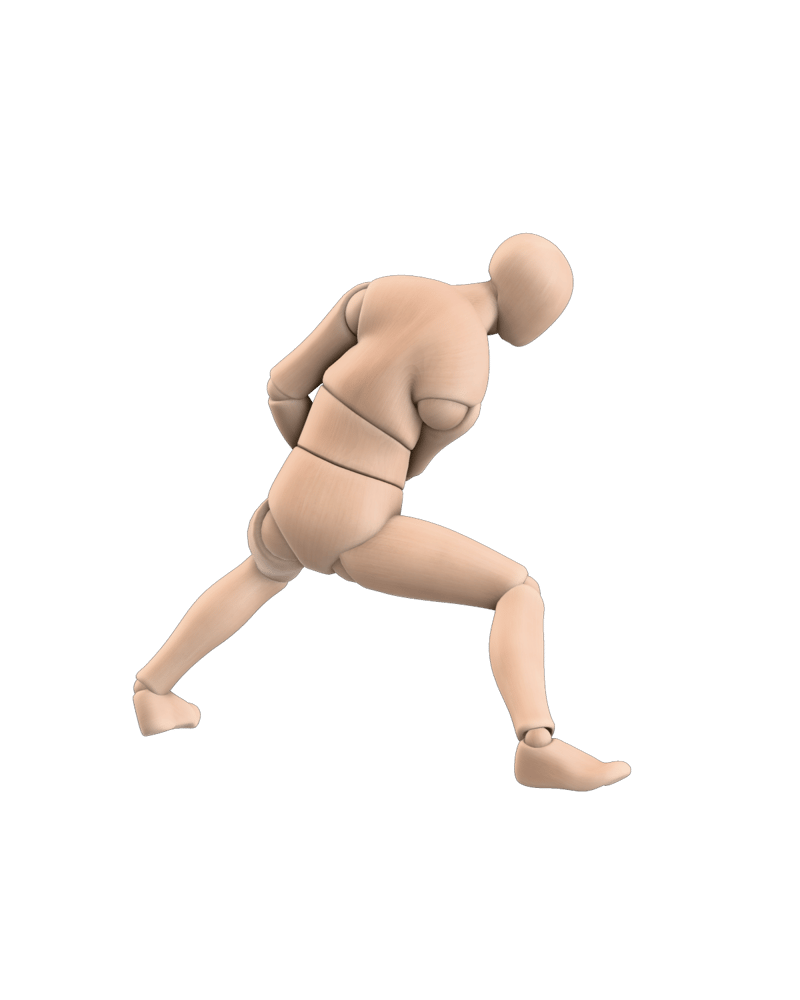
Flexible Duration and Guidance Control
Configure animation length from 0.5 to 12 seconds with guidance scale from 0 to 20 to balance natural, relaxed biomechanics against strict prompt adherence.
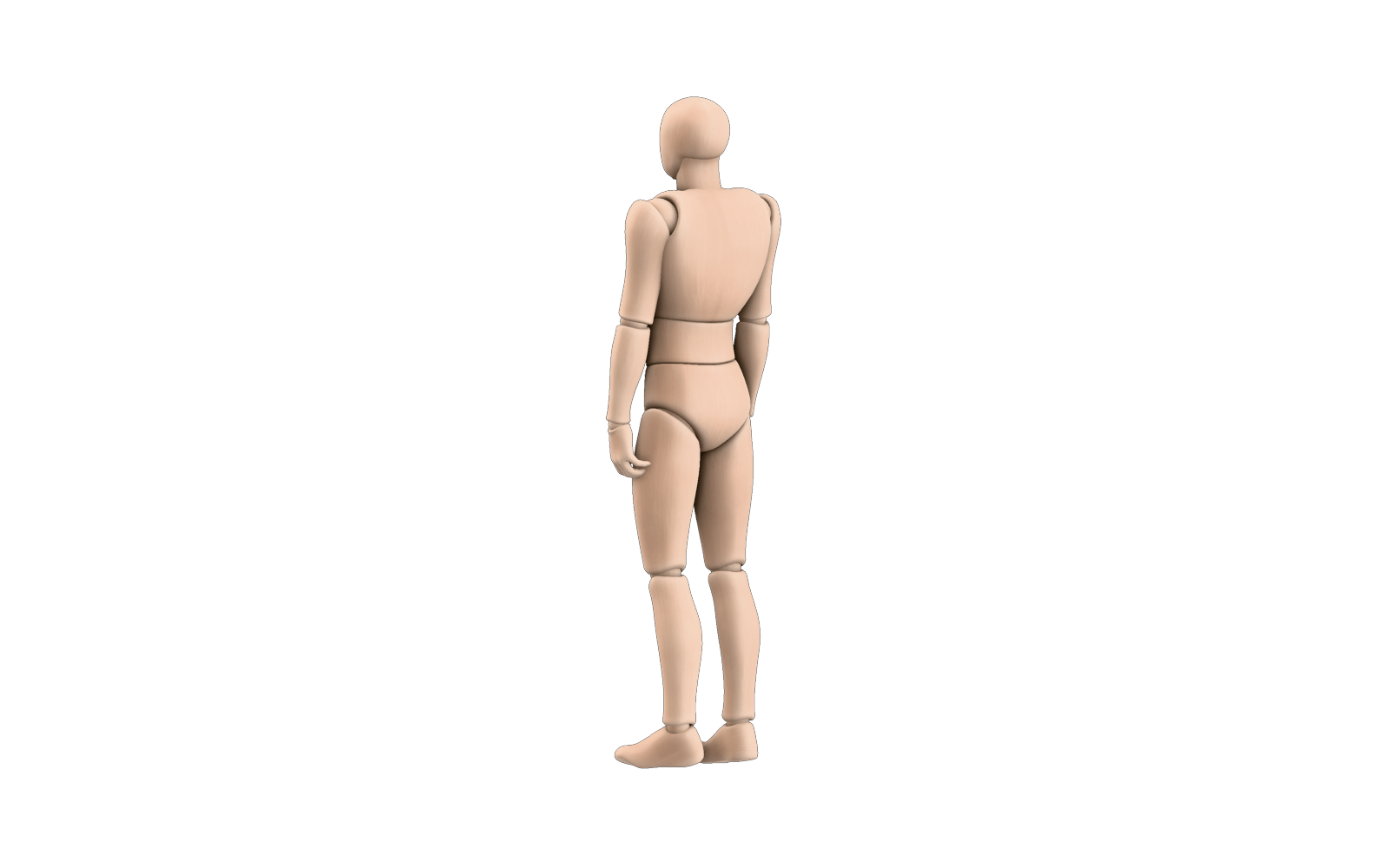
Standard SMPL Rig Compatibility
Outputs clean skeletal motion adhering to SMPL and SMPLH specifications, enabling direct FBX export and instant retargeting onto custom meshes in Blender or Unreal Engine.
A gallery of generated skeletal sequences illustrating fluid weight distribution, explosive acrobatics, and nuanced locomotion across diverse disciplines.
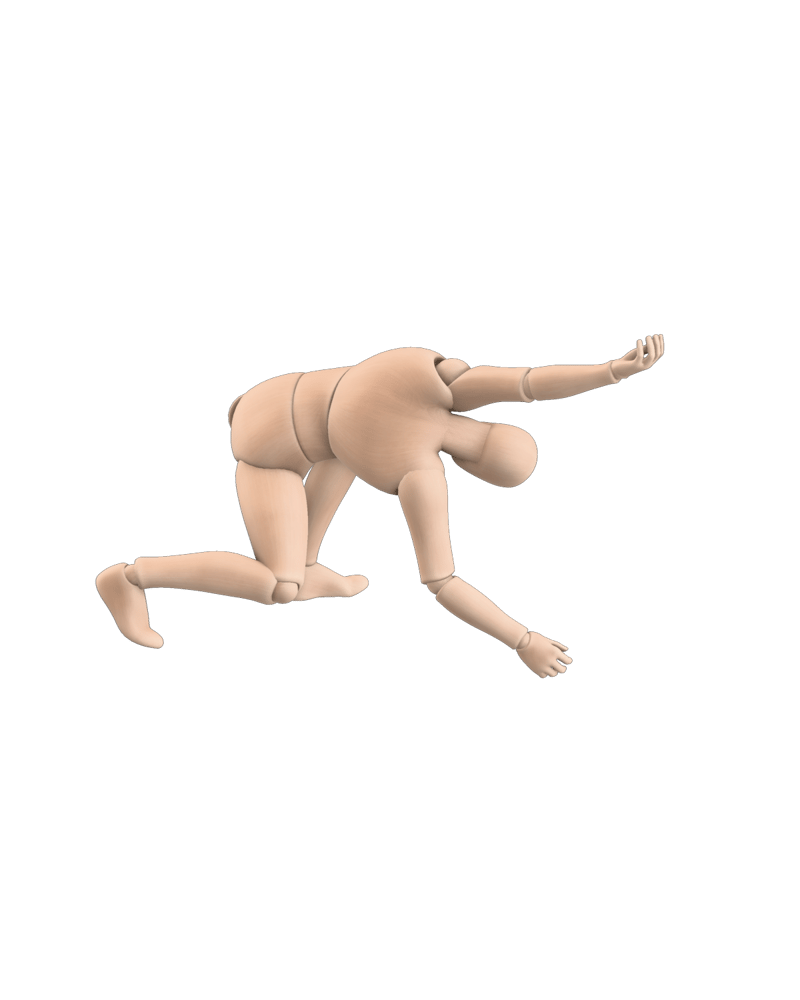
Contemporary dance floorwork transition
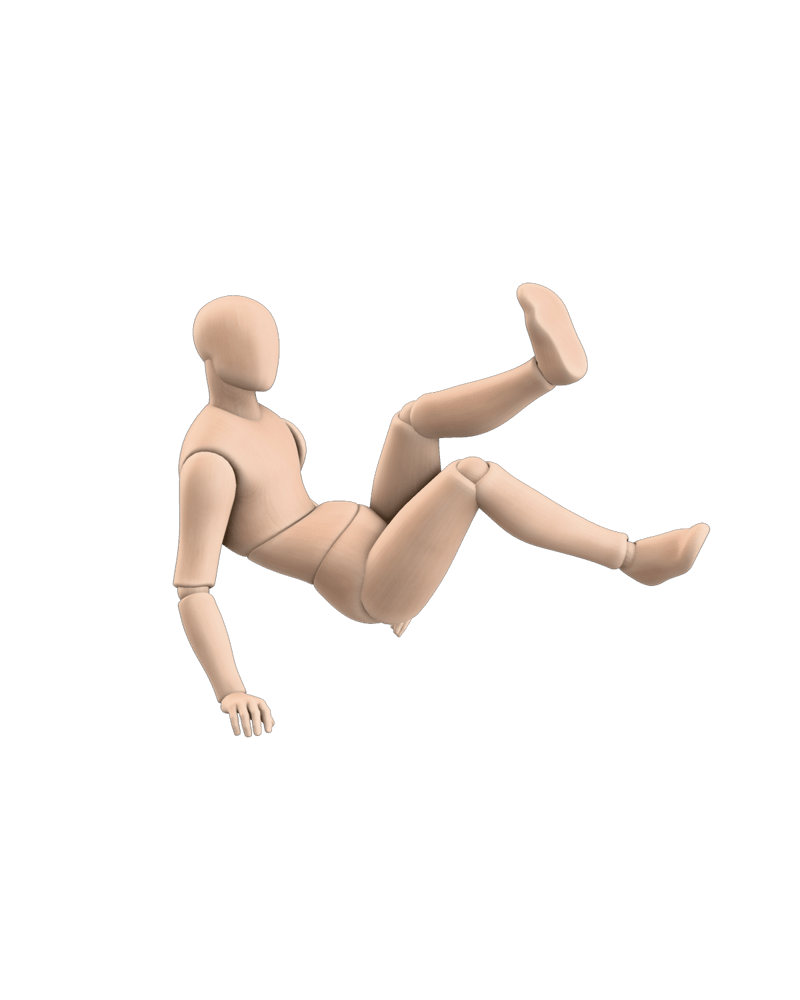
Parkour vault and recovery roll
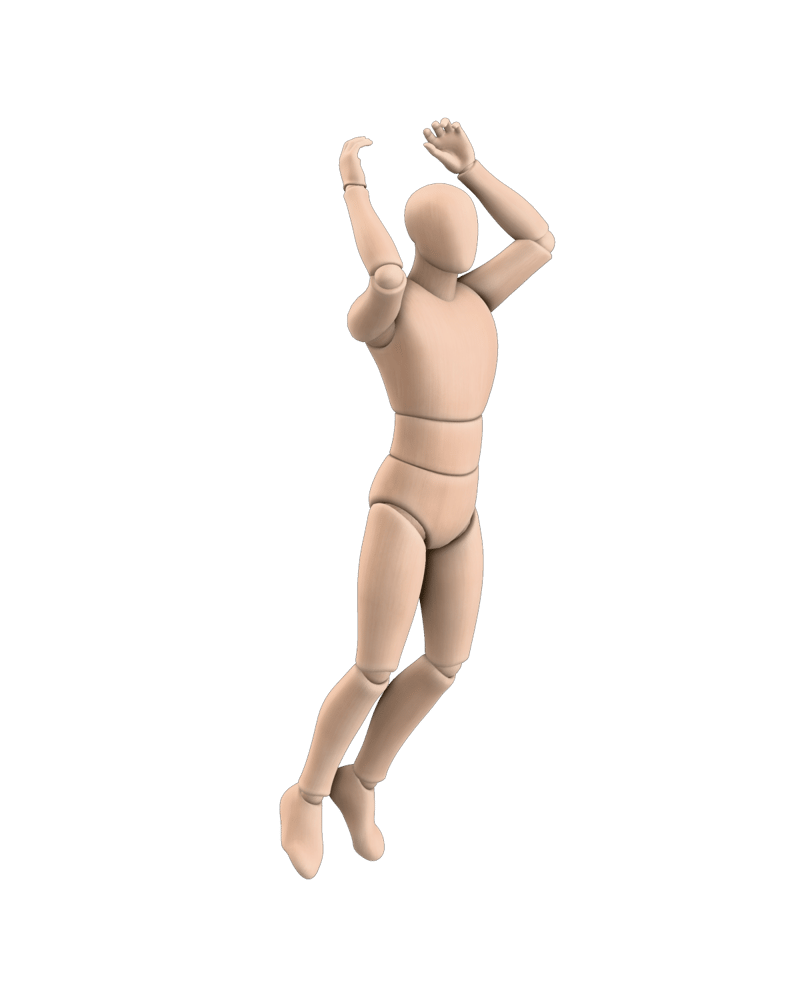
Athletic vertical leap and landing
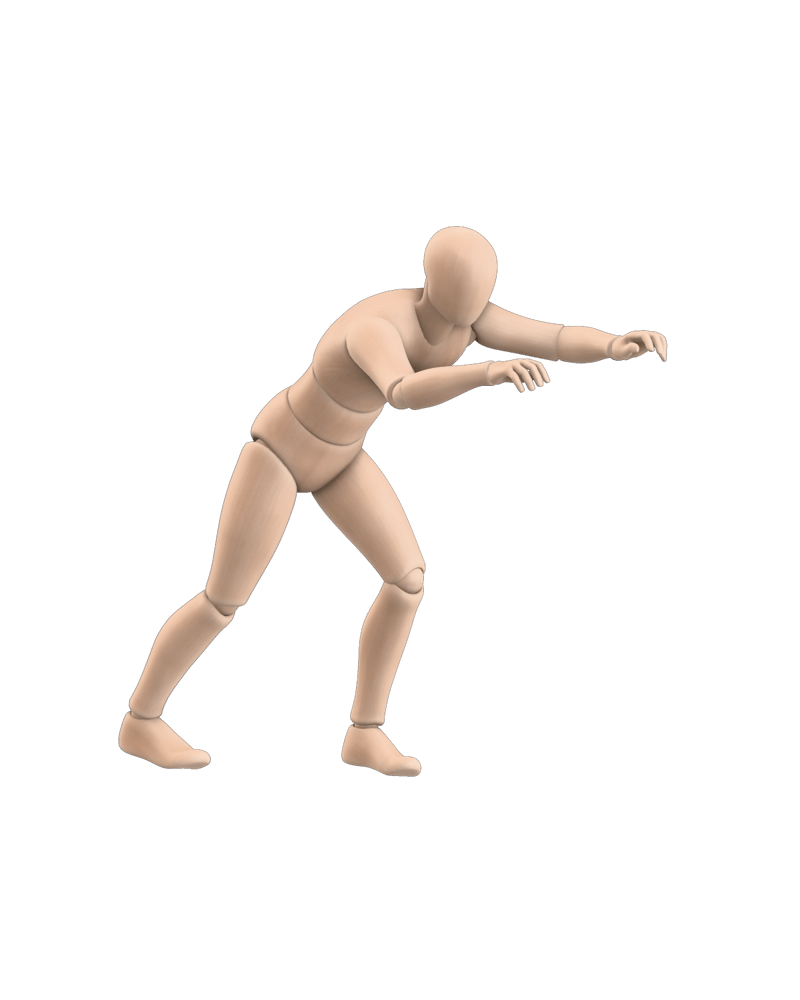
Heavy environmental resistance movement
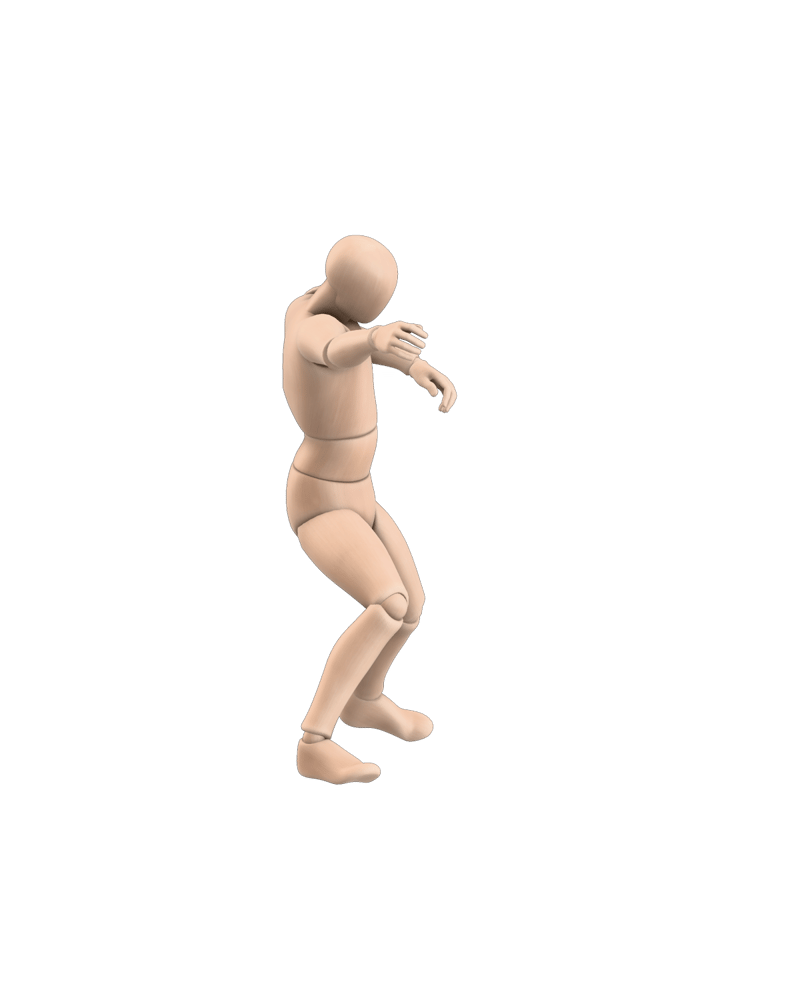
Martial arts stance shift and strike
See how game animators, previz supervisors, stunt coordinators, and generative video creators deploy generated skeletal capture in production pipelines.
Yes, Hunyuan Motion is also known as HY-Motion 1.0, the open-source text-to-3D human motion generation model developed by Tencent's Hunyuan 3D Digital Human Team. Both names refer to the 1-billion parameter Diffusion Transformer model designed to generate SMPL-compatible skeletal animation data from natural language prompts.
Hunyuan Motion excels at generating solo human locomotion, athletic actions, martial arts routines, and dance choreography with realistic weight transfer and joint constraints. It generates single-person 3D skeletal animations formatted as FBX files ready for retargeting onto custom character rigs in external 3D suites.
Focus purely on describing concrete physical actions, joint movements, and sequential steps in under 60 words. Avoid describing character appearance, clothing, lighting, or camera angles, as the model generates raw 3D skeleton frames rather than rendered visuals. For multi-step sequences, describe actions in chronological order.
Hunyuan Motion is limited to single humanoid characters mapped to standard SMPL and SMPLH skeletons and cannot generate quadrupeds, creatures, or multi-person interactions like wrestling or partner dancing. It also lacks collision awareness for fine-grained finger-level object manipulation such as playing instruments or handling small tools.
The model outputs standard 3D skeletal animation data in FBX format adhering to the SMPL and SMPLH joint hierarchy. You can import the exported FBX file directly into 3D DCC software like Blender, Autodesk Maya, or Unreal Engine to retarget the motion onto custom character meshes or drive pose-guided AI video workflows.
Turn natural language motion descriptions into biologically plausible 3D skeletal animations and FBX capture files in seconds