Recipev3
Translate to Voice Video (Male)
0:00 / 0:00
Talking Character Video
Talking character videos
Provide a scenario image, script, voice, and language to create a talking character video with translated speech.
Talking Character Video
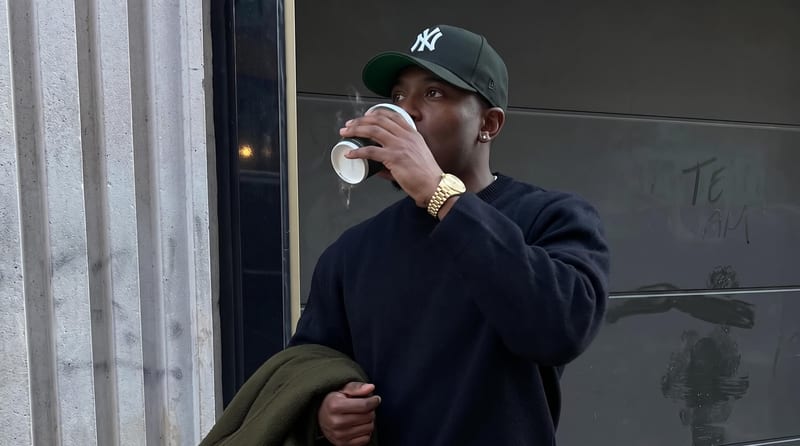
A recipe turns a reusable workflow into a simple set of inputs and outputs. Start with a community recipe and make it your own in Fuser.
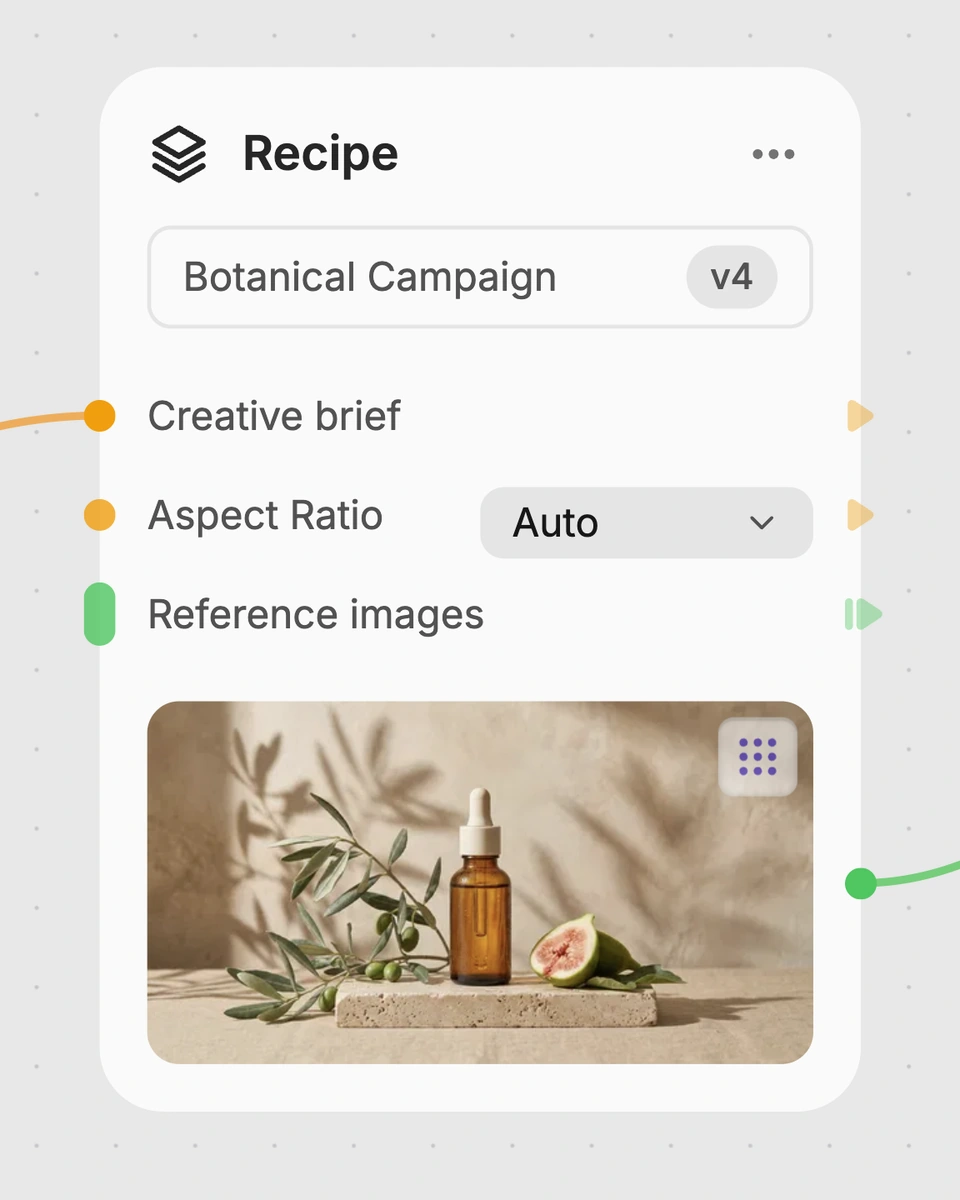
1. Choose a recipe
Find a workflow for the result you want. Review what it does and how to use it before opening it in Fuser.
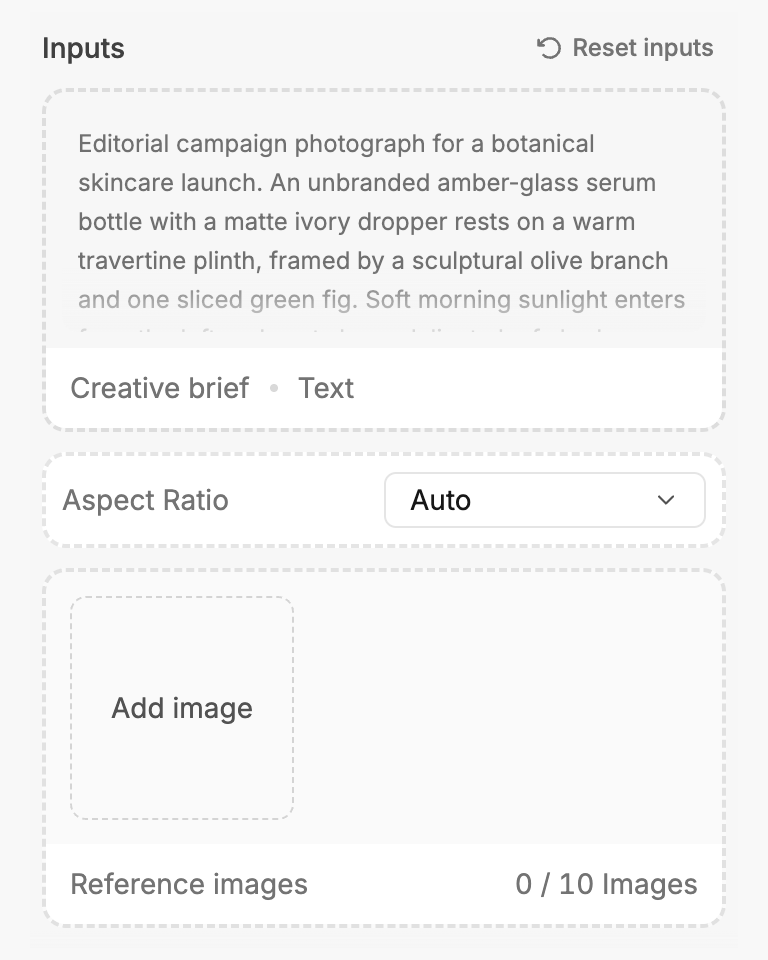
2. Make it your own
Check the recipe’s available inputs. Add your own text or media where supported, or start with the saved defaults.
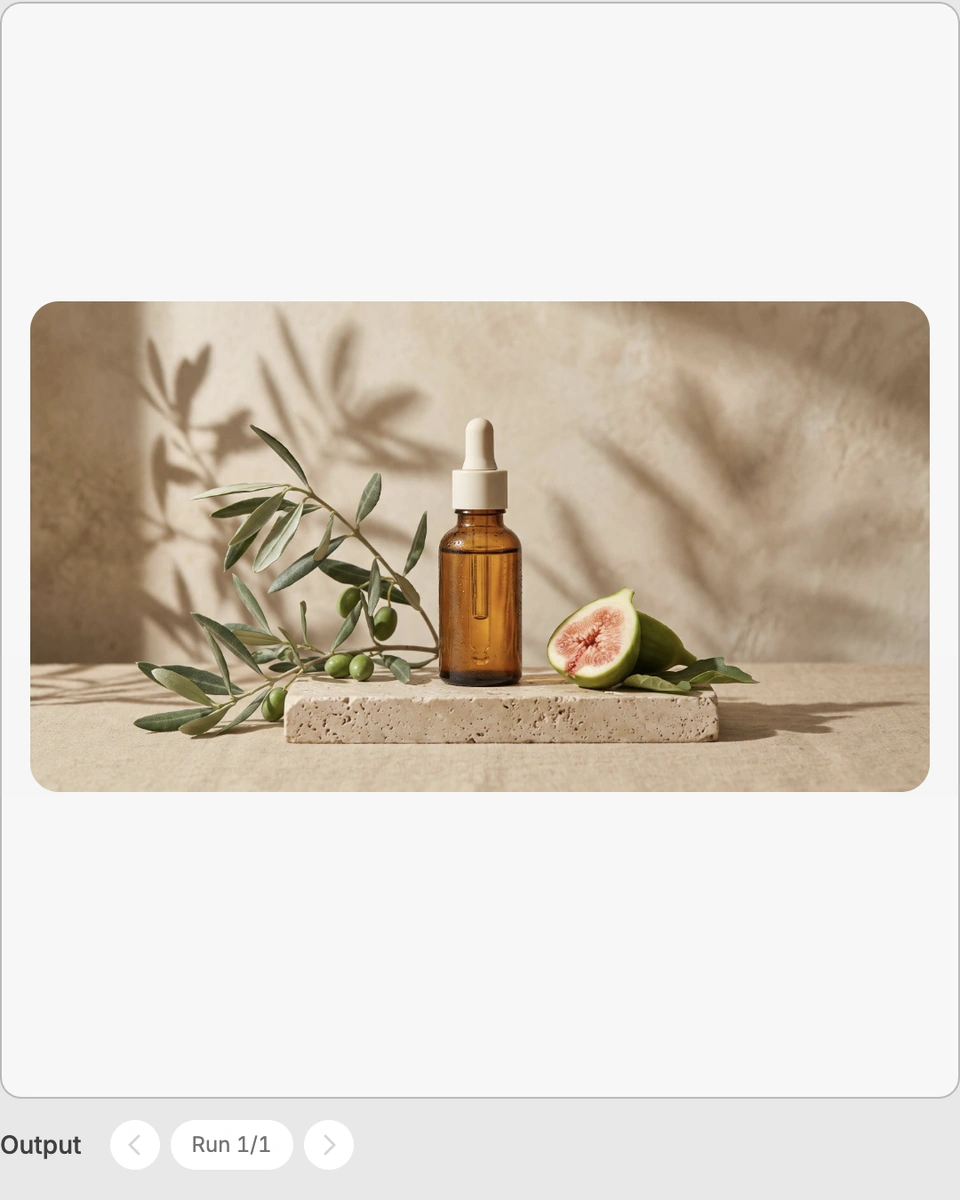
3. Run and refine
Run the recipe in Fuser and review the result on your canvas. Adjust any available inputs when you want to try another direction.
Adapt scripts into talking character videos for multilingual content and entertainment workflows.
It translates a script, generates the voiceover, and turns the result into a Talking Character Video. The recipe is suited to short-form social, entertainment, and other content workflows that use a scenario image and spoken script.
Provide a Scenario Image, Script, Voice, and Language. The saved example uses the script “The coffee tastes really good!”, the voice “Roger,” and “Italian” as the language.
Yes. Scenario Image, Script, Voice, and Language are exposed inputs that you can change in Fuser before using the recipe. The saved values are only the defaults shown in this example.
It shows the saved inputs connected to a Talking Character Video output: a scenario image, a short coffee-related script, the voice “Roger,” and Italian as the language. It is a saved example rather than a live run on this page.
Use it for translated social content, character-led explainers, short entertainment dialogue, localized video drafts, and voice-and-language explorations. These applications work from the recipe’s available image, text, language, and video inputs.
The recipe exposes Language and Voice as text inputs, so you can change those values in Fuser. The available languages and voices supported by a particular run are not specified here.
The recipe accepts one Scenario Image, but no specific subject, format, or composition requirements are provided. Choose an image appropriate to the character video you want to develop.
Bring a scenario image, script, voice, and language together in one recipe for translated video content.
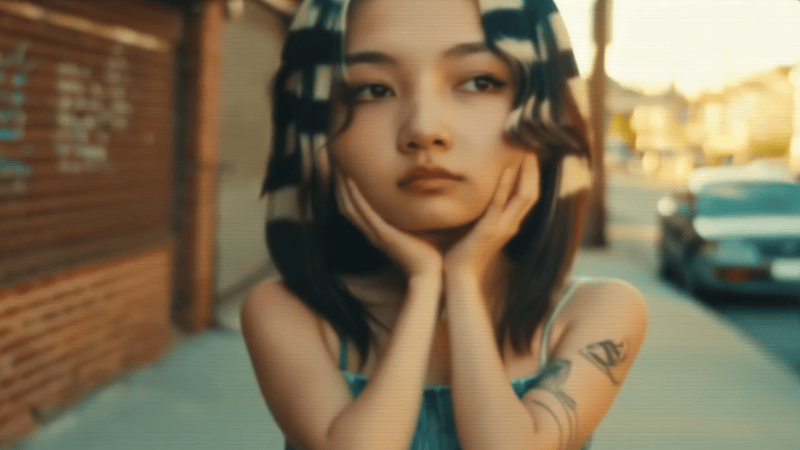
Upload one source video to create vertical 9:16 and landscape 16:9 versions for social content.
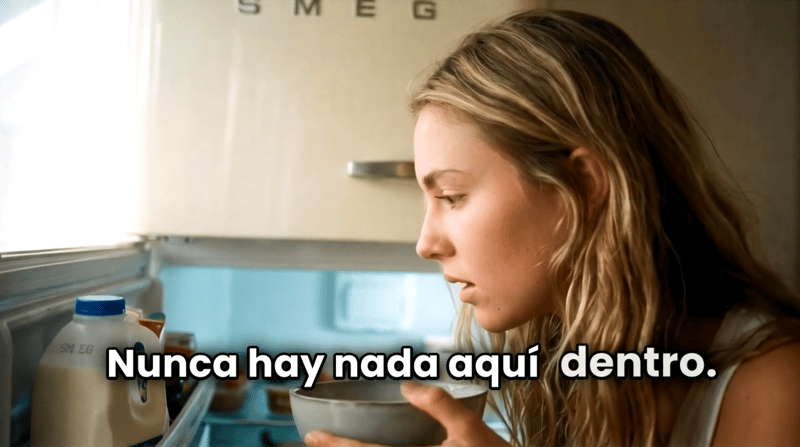
Turn a script, scenario image, voice selection, and target language into a talking character video.
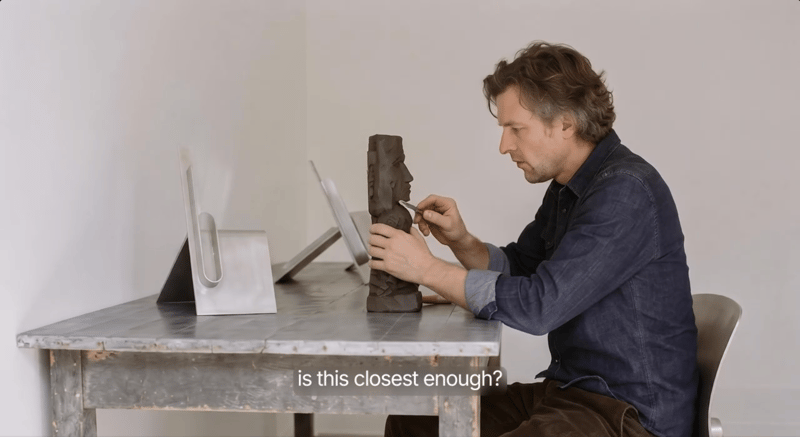
Provide a scenario image, script, and voice to create a talking character video with voiceover.