One click, whole workflow
Recipes are here. Package a whole workflow and run it in one click
Explore recipesOne click, whole workflow
Recipes are here. Package a whole workflow and run it in one click
Explore recipesTheorist and curator Irit Rogoff, in her 2008 essay “Turning,” writes: “After all, it is very clear that those who formulate the questions produce the playing field.”

Fuser
August 17, 2026
Theorist and curator Irit Rogoff, in her 2008 essay “Turning,” writes: “After all, it is very clear that those who formulate the questions produce the playing field.”
Her point is simple: education is never just about access to knowledge, but about who gets to define what counts as knowledge in the first place. Rogoff was writing about the “educational turn” in contemporary art, and about her suspicion that pedagogy had already started hardening into an aesthetic of tables, archives, seminars, and conversations. Rogoff insists on schooling as a site where the terms of participation themselves can shift.
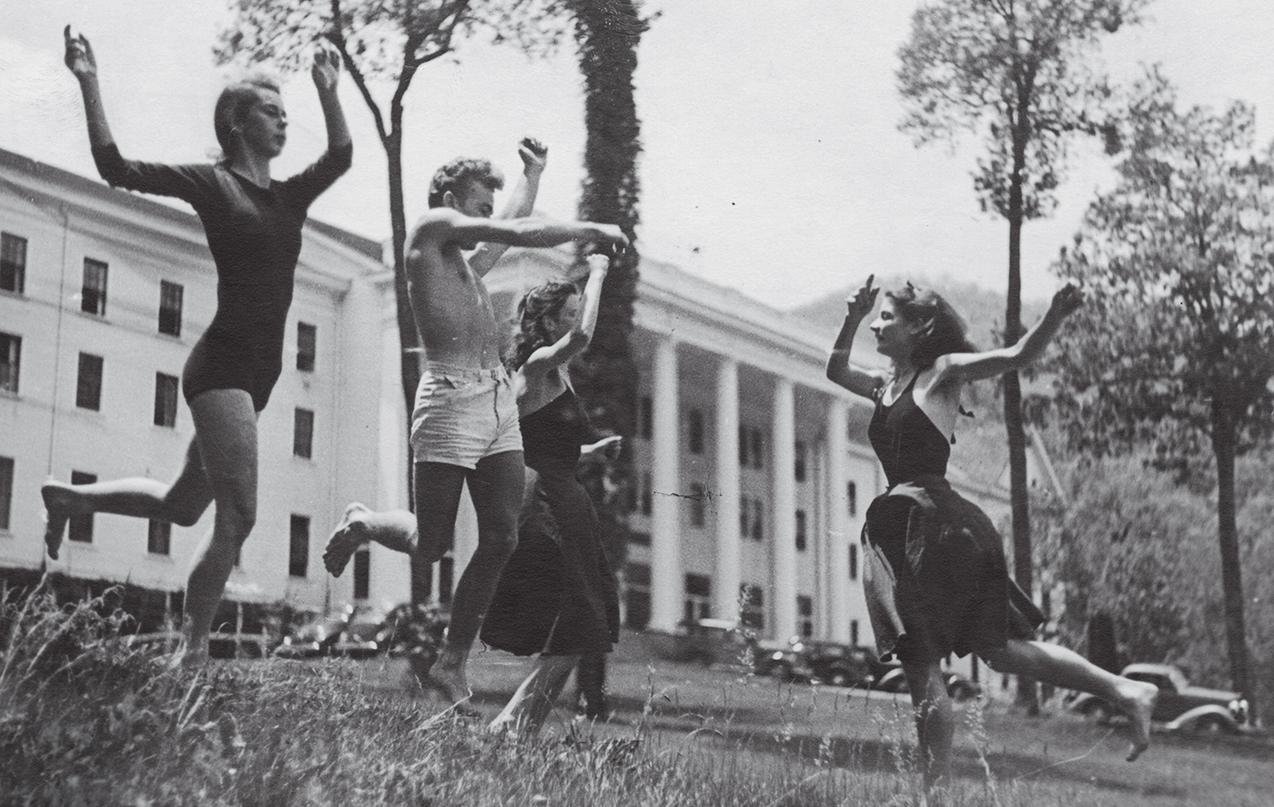
Alternative education appears when institutions stop making sense of the world they claim to prepare us for.
From the Bauhaus and Black Mountain to the Anti-University of London, Joseph Beuys’s Free International University, and later artist-led initiatives like SOMA in Mexico City, these experiments have treated education as a testing ground for social relations: who teaches whom, how knowledge circulates, how authority gets distributed.
And it seems we’re not done trying. Antikythera, founded in 2022 by the Berggruen Institute under Benjamin Bratton, treats planetary computation itself as the curriculum, collapsing AI, geopolitics, simulation, and infrastructure into one problem. The School for Poetic Computation, founded in New York in 2013, brings code, hardware, art, and critical theory into the same room. The newest entry, Stella Matutina, is taking shape inside a former monastery on Lake Lucerne, explicitly imagined as a Bauhaus for this moment in computation.
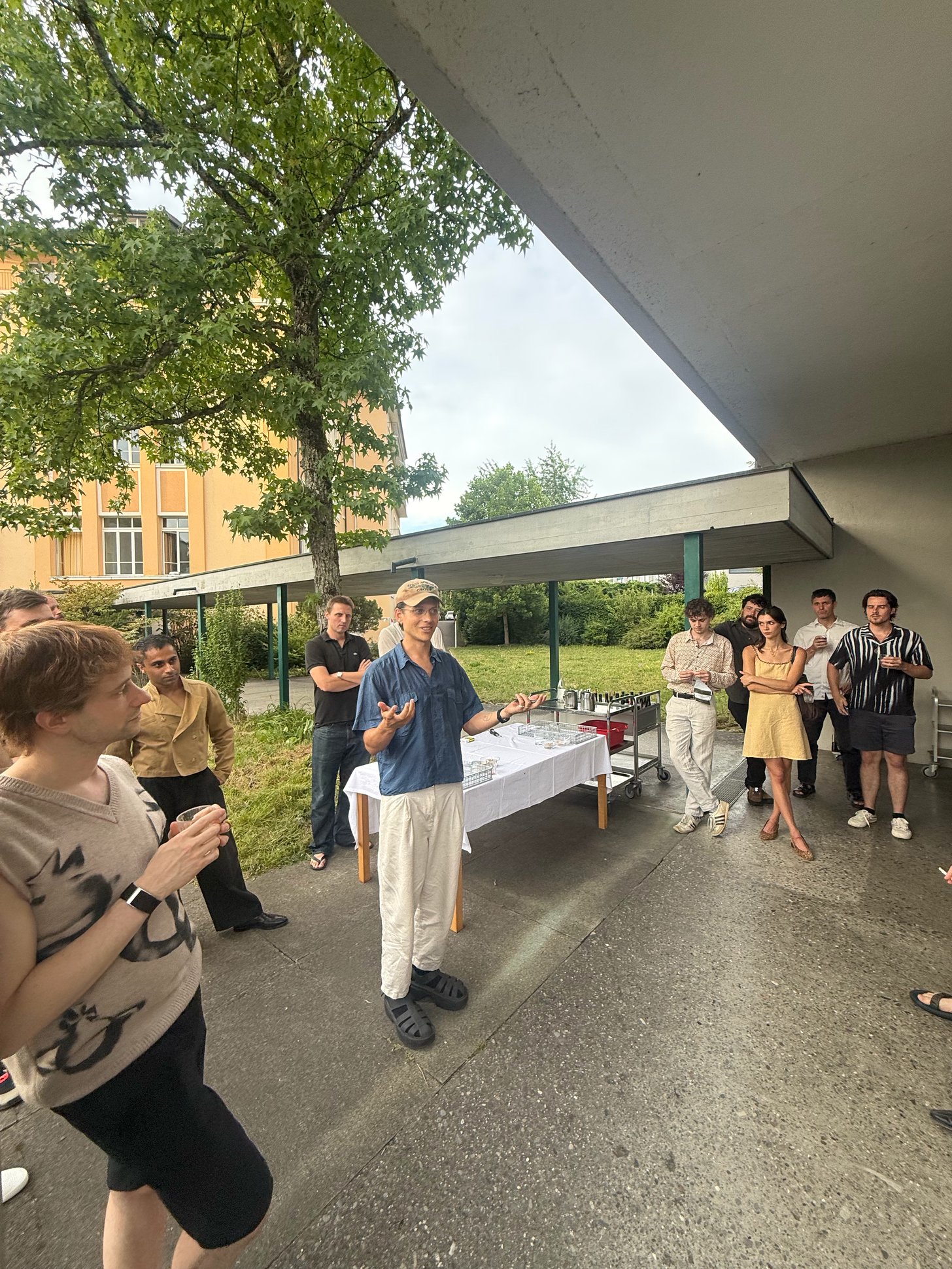
Last week, Fuser launched Assembly. The 'playing field' for new disciplines is what Assembly is trying to be. A community of educators and creative practitioners open to reorganizing the relations between knowledge, authority, and participation. The word assembly originally describes a gathering before it describes a method of construction. Perhaps education can be understood in exactly this double sense: assembling people, and assembling something through them. The whole premise of Assembly is: share the tools, share the knowledge, share the access.
The place I learned the most was a Christian summer camp in western Ukraine, where my grandmother sent me when I was 19. I don't remember a single thing I learned there, except that I got converted to Christianity (disclaimer: not anymore). But it left me with a theory: learning hits hardest when you change the familiar roles.
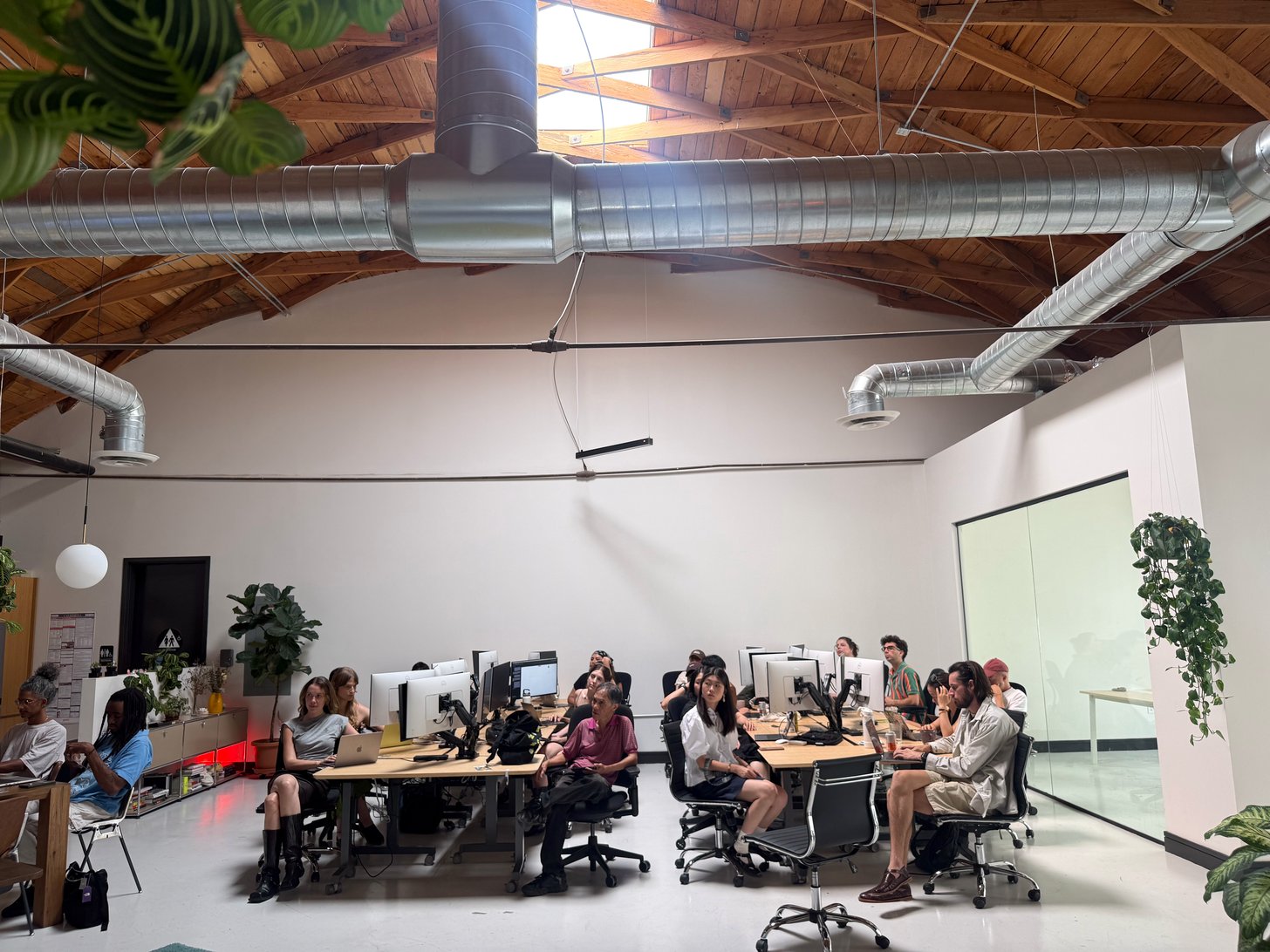
I spoke with a couple of people who are attached to scholarly institutions but joined Assembly for the room to think outside them.
“Academia's structures separate disciplines and make knowledge feel more fixed than it really is," says multimedia performance artist Zelia Tan. "I imagine education becoming more like a shared studio, physical and virtual, where we can see how others think and build, use AI to prototype possibilities, and then slow down to decide what is actually worth crafting."
Tan’s vision of education points to a larger tension. Academia is still debating whether AI belongs in the classroom while tech companies ship a faster, more capable model every few weeks. It is a mismatch of temporalities: the infrastructure producing new forms of knowledge is moving faster than the institutions charged with teaching us how to understand them.
Fía Benitez, a Mexican artist based in Los Angeles, sees the same mismatch from another angle: money. For her generation and those younger than her, she told me, education has often pushed people deeper into debt rather than enabling mobility, making it harder to build a career in the first place. “In the larger ecology of learning, alongside traditional institutions, I see people creating their own tools and learning communities, sharing skills, and inventing their own careers.”
None of this is an argument against academia. Rogoff’s point is more demanding: a turn in education has to produce more than new formats. It has to offer “another way of recognizing when and why something important is being said.”
The question for Assembly, then, is whether gathering people differently can also change what becomes sayable, teachable, and worth knowing in the first place.