Recipev2
Script to Voice Video (Male)
0:00 / 0:00
Talking Character Video
Talking character video
Provide a scenario image, script, and voice to create a talking character video with voiceover.
Talking Character Video
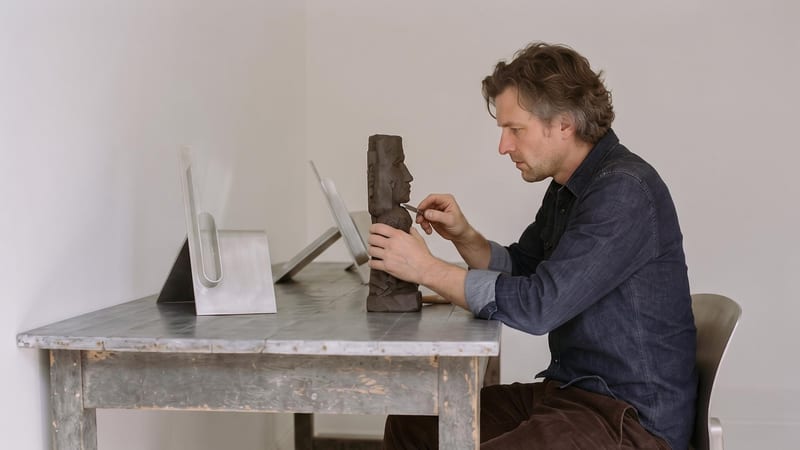
A recipe turns a reusable workflow into a simple set of inputs and outputs. Start with a community recipe and make it your own in Fuser.
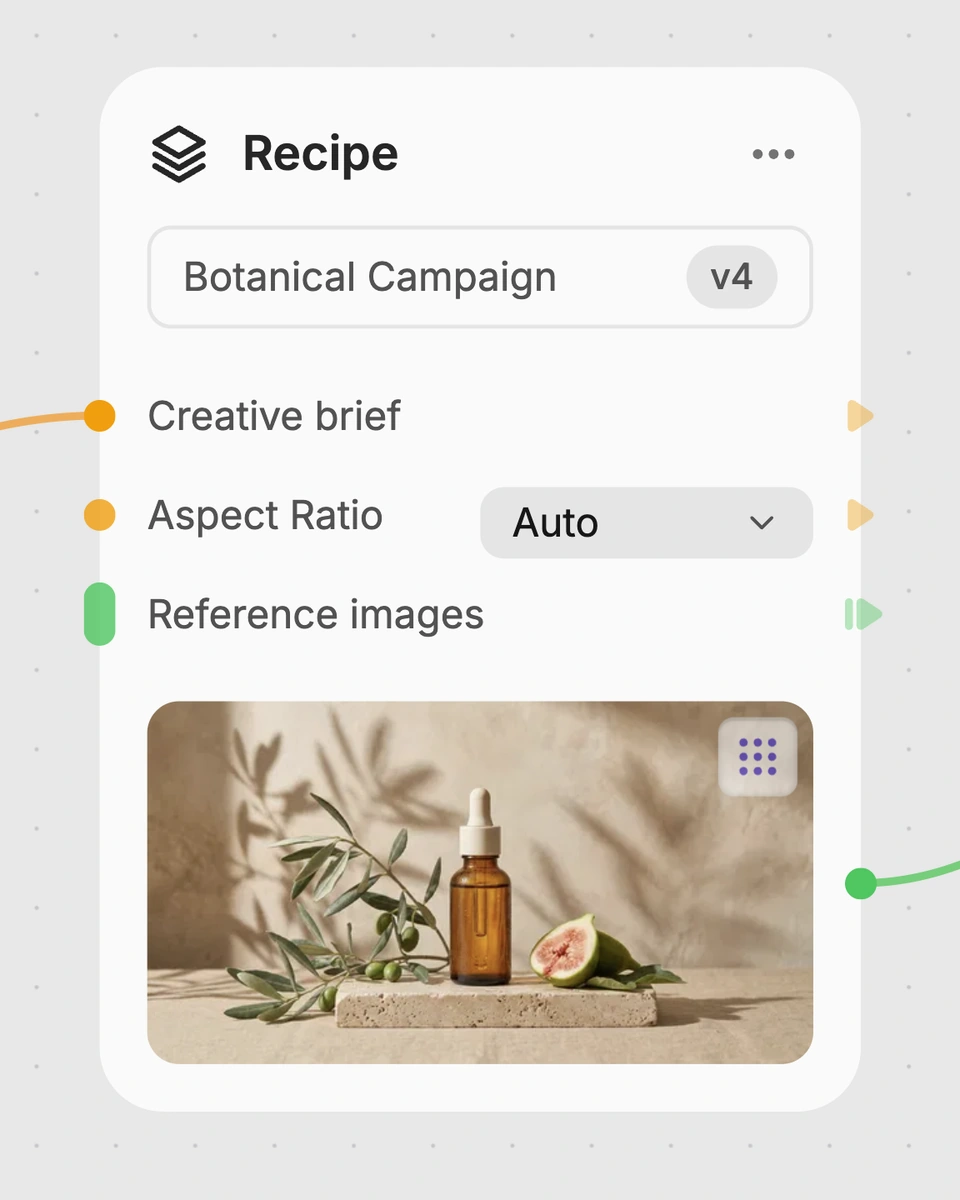
1. Choose a recipe
Find a workflow for the result you want. Review what it does and how to use it before opening it in Fuser.
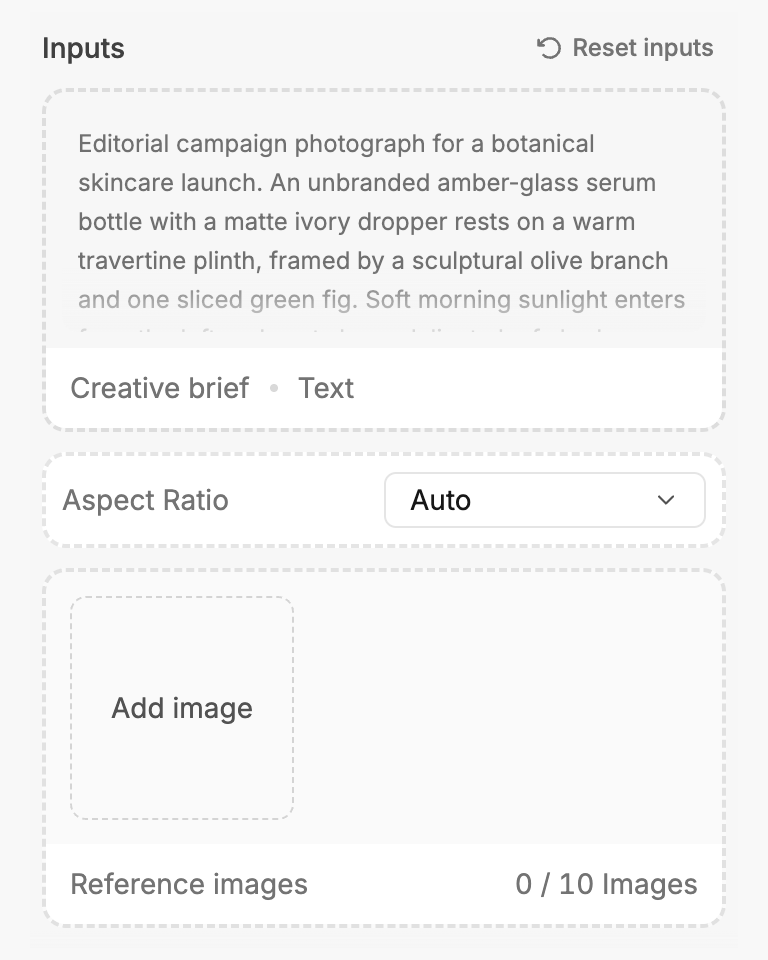
2. Make it your own
Check the recipe’s available inputs. Add your own text or media where supported, or start with the saved defaults.
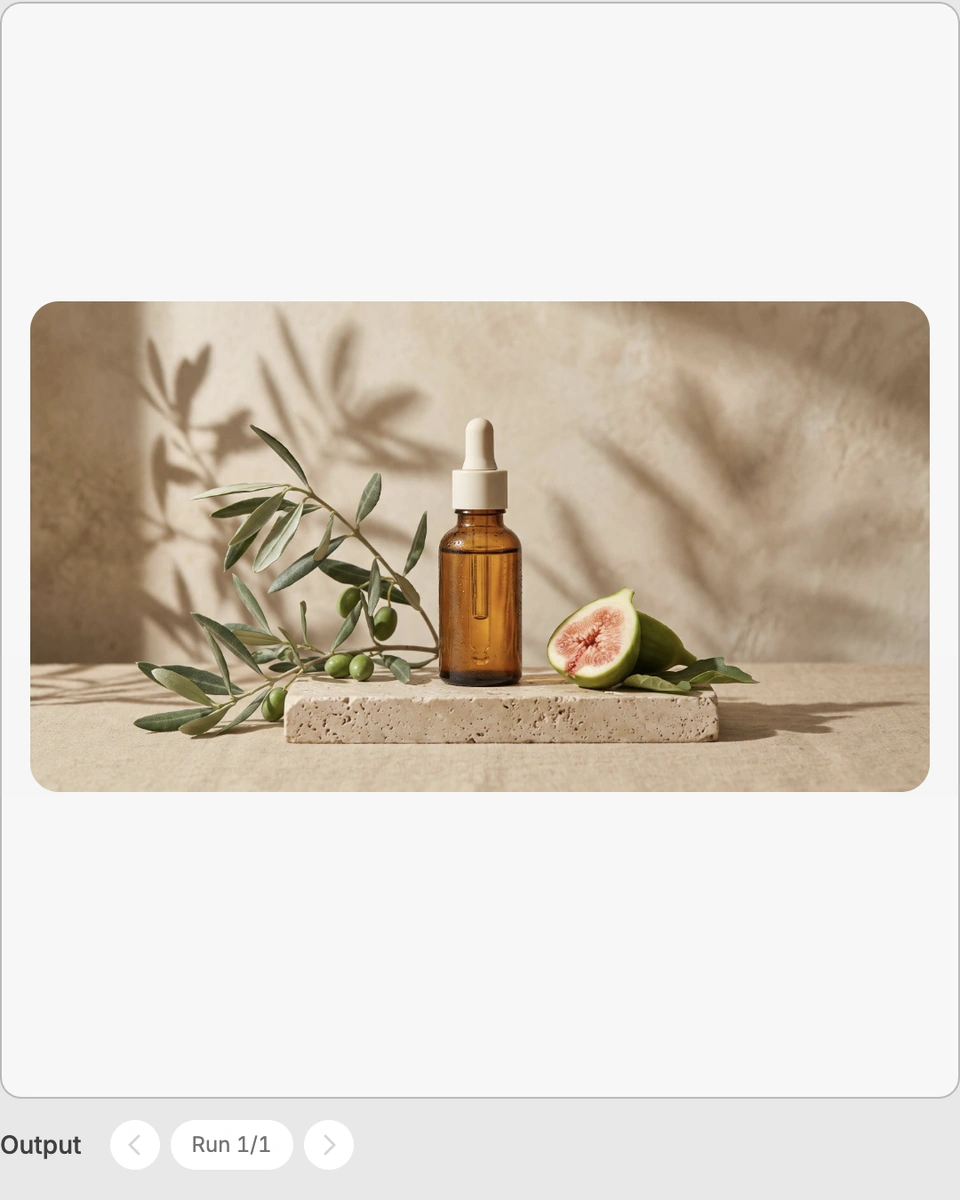
3. Run and refine
Run the recipe in Fuser and review the result on your canvas. Adjust any available inputs when you want to try another direction.
Use a scenario image, written dialogue, and selected voice to develop character-led video content for social and entertainment projects.
It turns a scenario image, written script, and selected voice into a talking character video with voiceover. The saved output is a video rather than a standalone audio file or still image.
It is suited to people developing social content, character-led entertainment concepts, and early script presentations. Anyone preparing a visual scenario and spoken text can use those inputs to shape a video concept.
Prepare one scenario image, the script you want spoken, and a voice value such as “George.” These are the exposed inputs, and you can change them in Fuser when using the recipe.
The saved example uses the script “Is this closes enough?” with the voice “George,” alongside a scenario image. Its output is labeled Talking Character Video; a new run depends on the inputs you provide.
Yes. Script and Voice are editable inputs in Fuser, so you can replace the saved wording and voice value for your own version. The Scenario Image is also exposed and can be changed to support a different visual setting.
The recipe fits short social clips, character dialogue previews, entertainment concepts, and script presentations where a talking character video is useful. It is focused on the named image, script, and voice inputs rather than broader video production.
The recipe provides one output labeled Talking Character Video, combining the scenario image, script, and voice into a video result. The page shows a saved input-to-output example; it does not represent a live run or define additional editing controls.
Bring a scenario image, written script, and voice together in Fuser for your next character-led video concept.
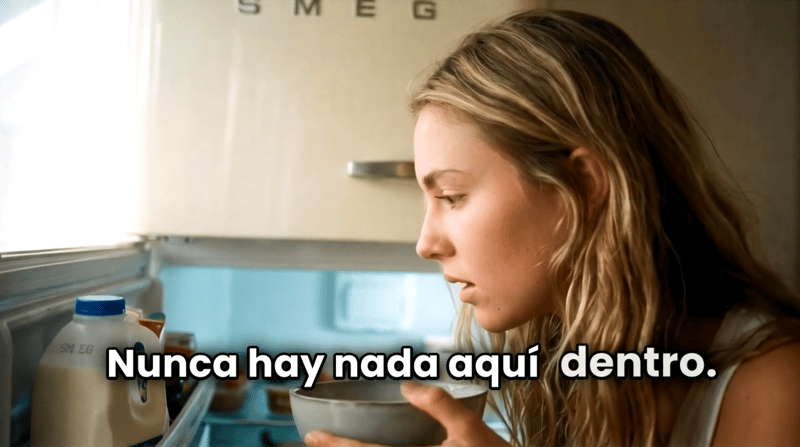
Turn a script, scenario image, voice selection, and target language into a talking character video.
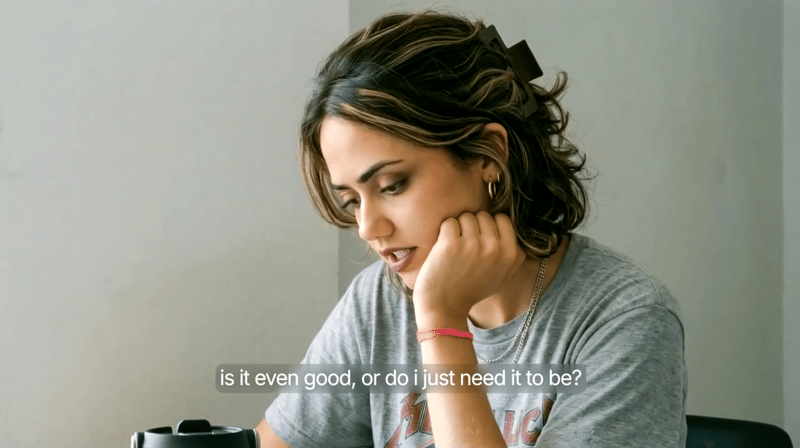
Provide a scenario image, script, and voice selection to create a talking character video with spoken delivery.
Upload one source video to create vertical 9:16 and landscape 16:9 versions for social content.