One click, whole workflow
Recipes are here. Package a whole workflow and run it in one click
Explore recipesOne click, whole workflow
Recipes are here. Package a whole workflow and run it in one click
Explore recipesbyAlibaba Qwen team
Posters, packaging and signage where every letter lands in English or Chinese, plus edits that leave the rest of your picture alone
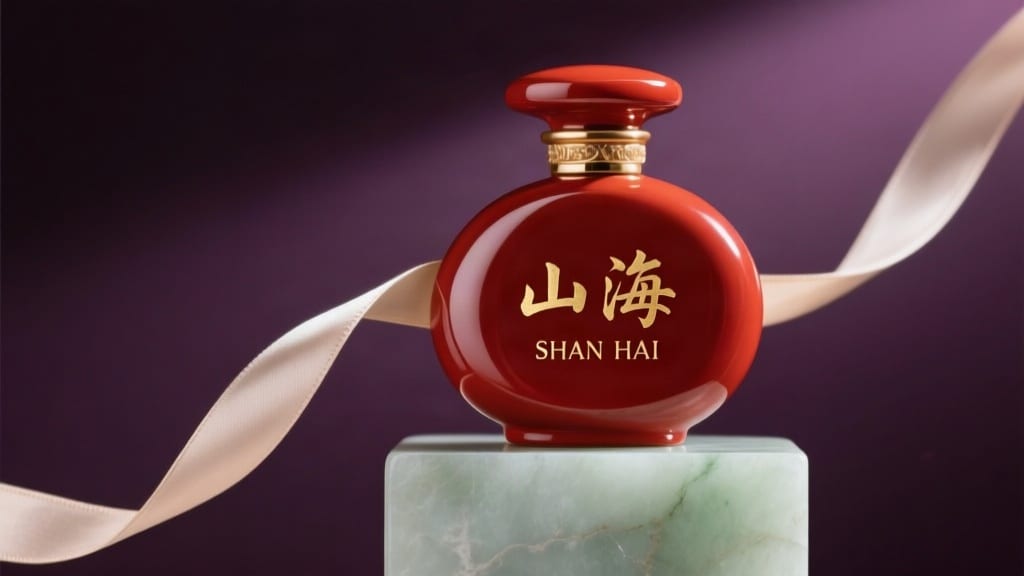
You write the layout the way an art director would, with words in quotes and positions spelled out, and the model sets the type. Add reference images only when you want to edit or combine.
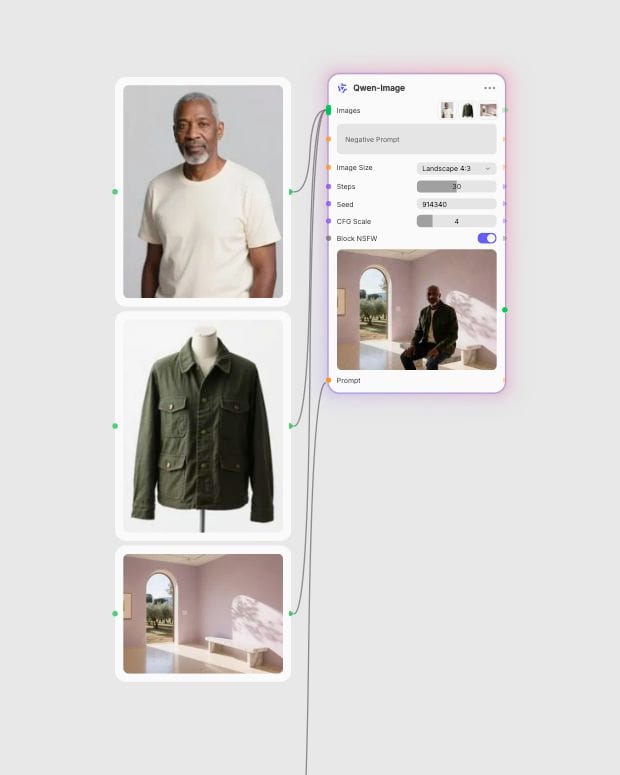
Quote the words, add references
Put every word to be rendered in double quotes, describe the layout, and optionally name one to three reference images to edit or combine.
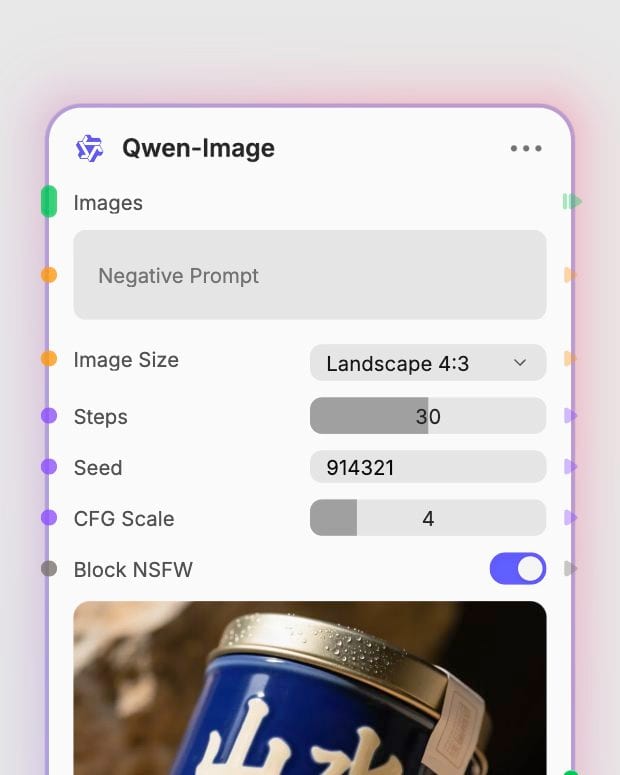
Tune guidance and steps
Start at the default CFG of 2.5, nudge toward 4 for text-heavy layouts, and run 20 to 30 steps for drafts, 40 to 50 for final lettering.
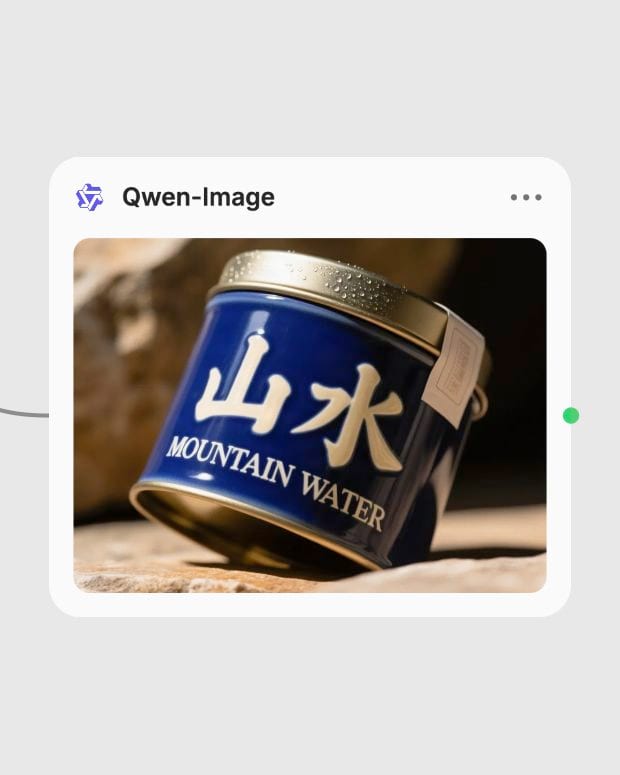
Pick a canvas and render
Choose a portrait or landscape size that matches your layout, then render and check that each quoted word reads correctly.
Built for pieces where the words must be right: lettering that hugs curved surfaces, edits that keep identity, and structured layouts that arrive tidy.
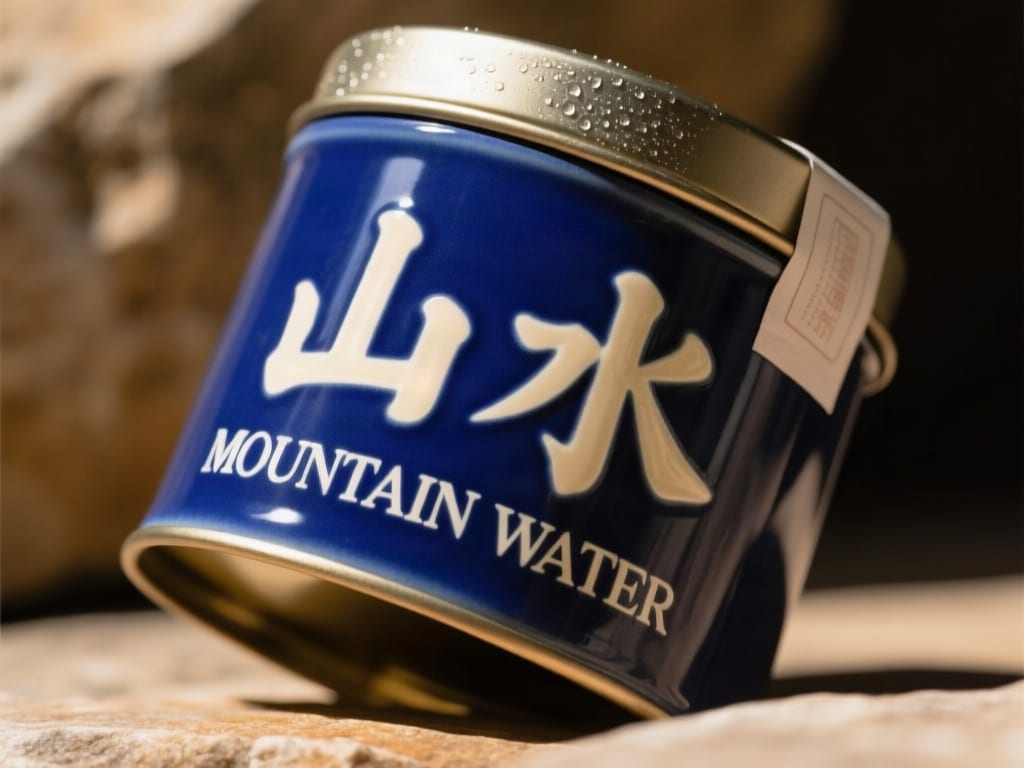
Lettering that follows the surface
Quoted English and Chinese text sits on curved glass, packaging and signage with sensible hierarchy and even spacing. Wrap the words in double quotes and state the font traits right after them.
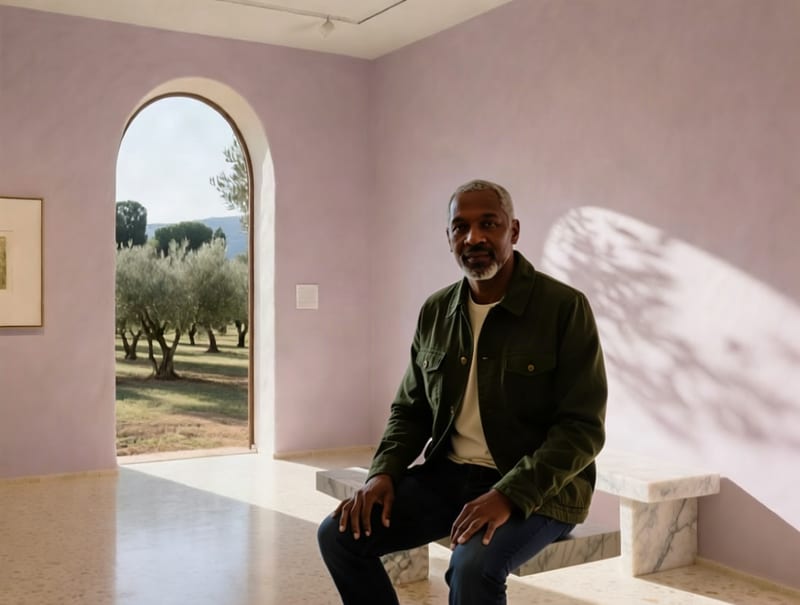
Multi-image compositing with edit-plus
Switch to the edit-plus variant to merge a person, a product and a scene while holding identity; official guidance is one to three images. The base variant generates from scratch, while edit-plus needs at least one image and stays close to the source.
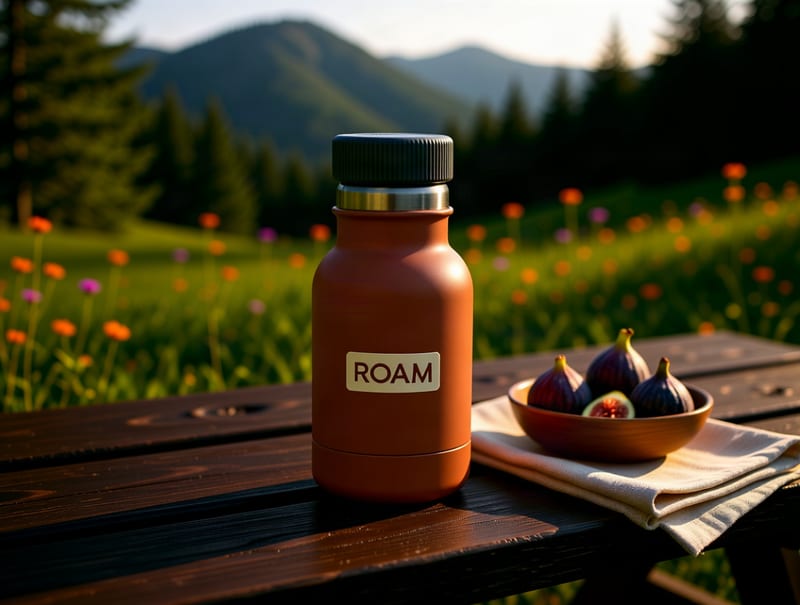
Product insertion that keeps its labels
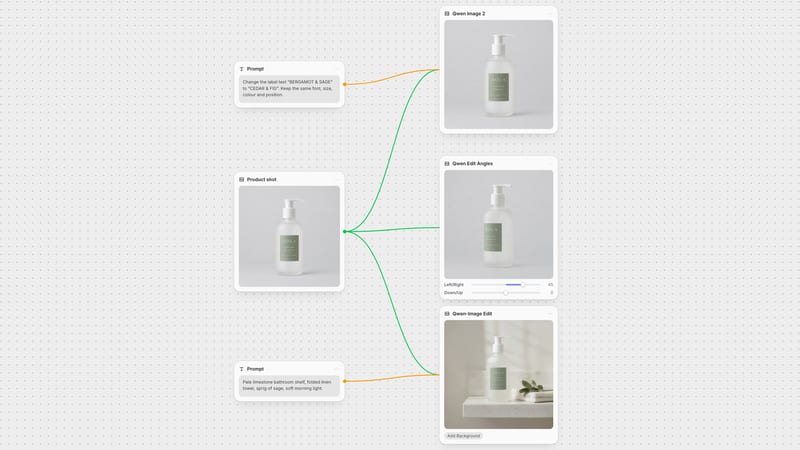
Place an isolated product into a lifestyle scene with natural shadows, and tell the edit to keep the design unchanged. Targeted text swaps work too: change a sign to a new line and keep the same style and spacing.
Briefs it lays out faithfully
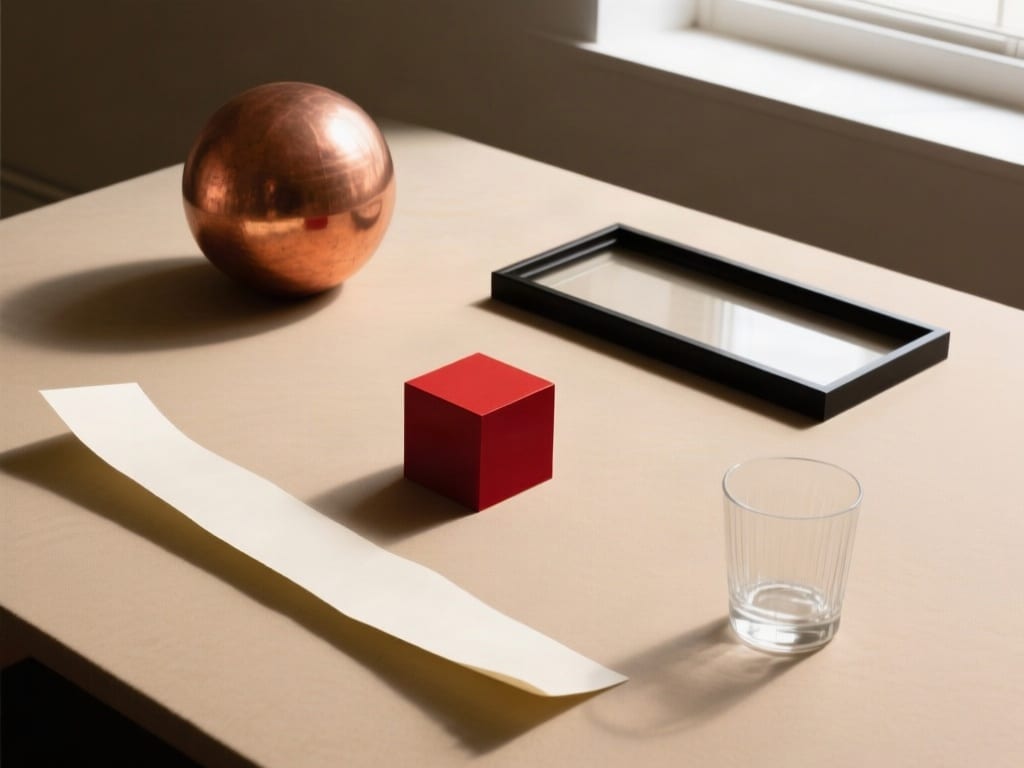
Spell out where each object belongs, from left to right and foreground to back, and the composition follows your spatial plan with multiple objects and a quoted label. Keep prompts structured: subject, style, lighting, composition.
Sleeves, packaging, film frames, lookbooks and archive pages, each carrying real English or Chinese lettering as part of the image rather than pasted on top.
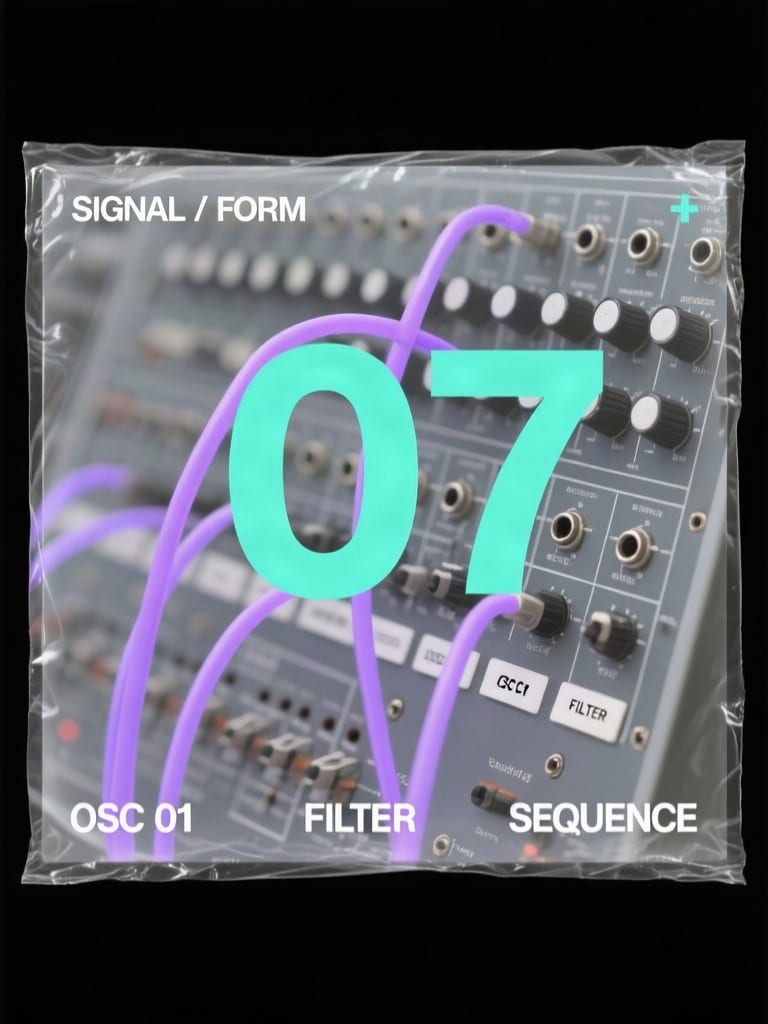
Translucent synthesizer sleeve with crisp typographic labels
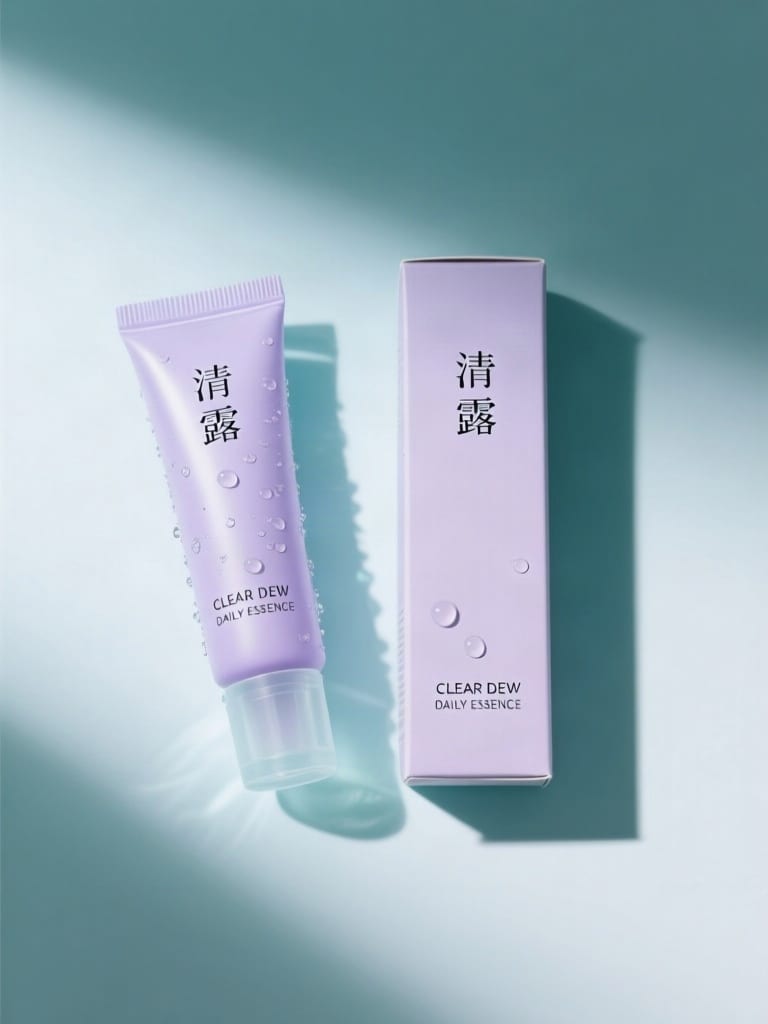
Skincare packaging with bilingual surface typography
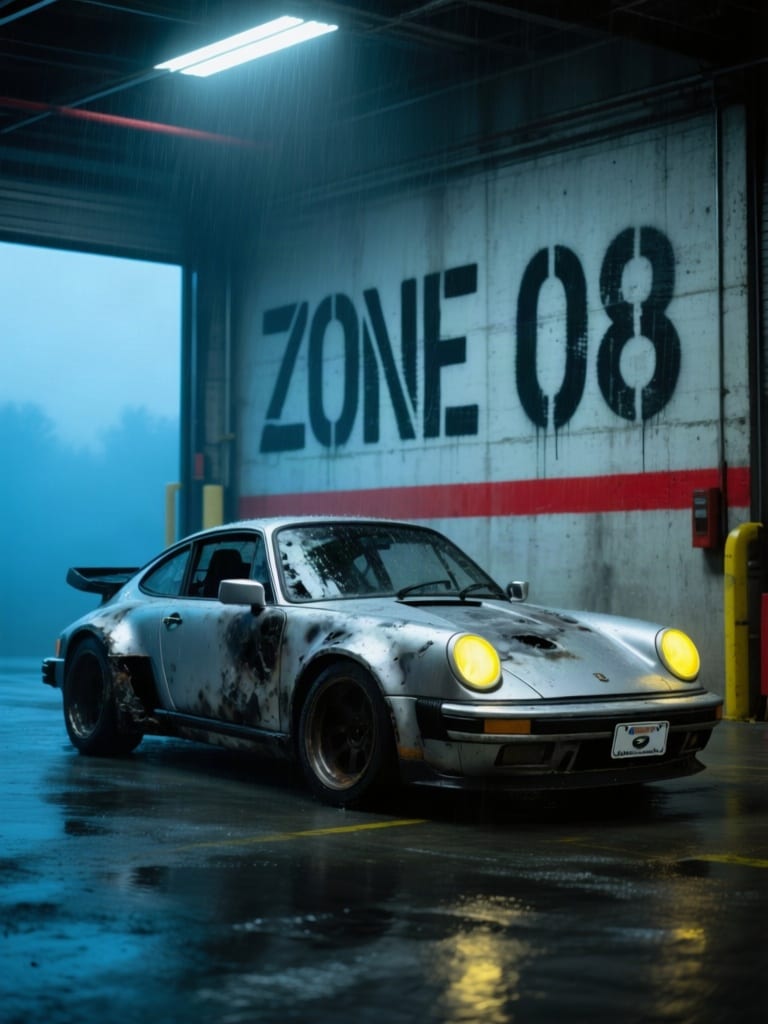
Cinematic vehicle frame with stenciled environmental typography
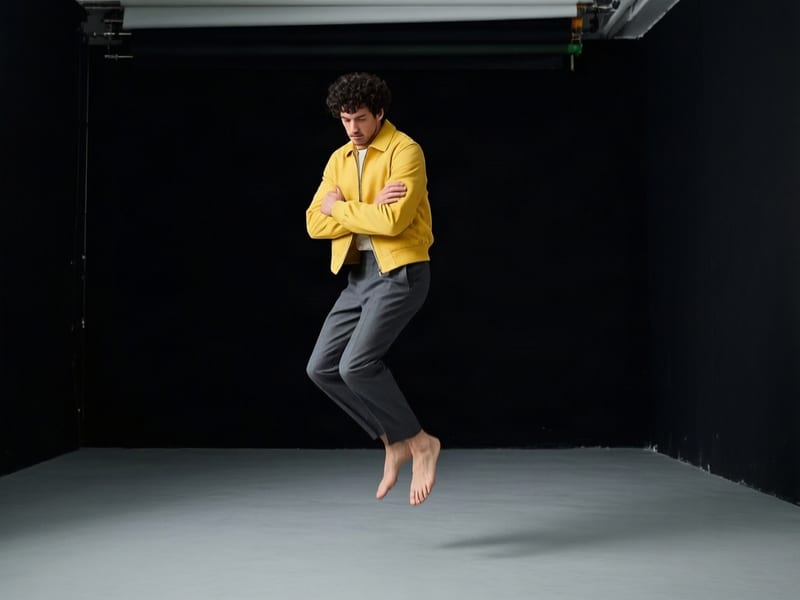
High-contrast editorial lookbook with arrested motion
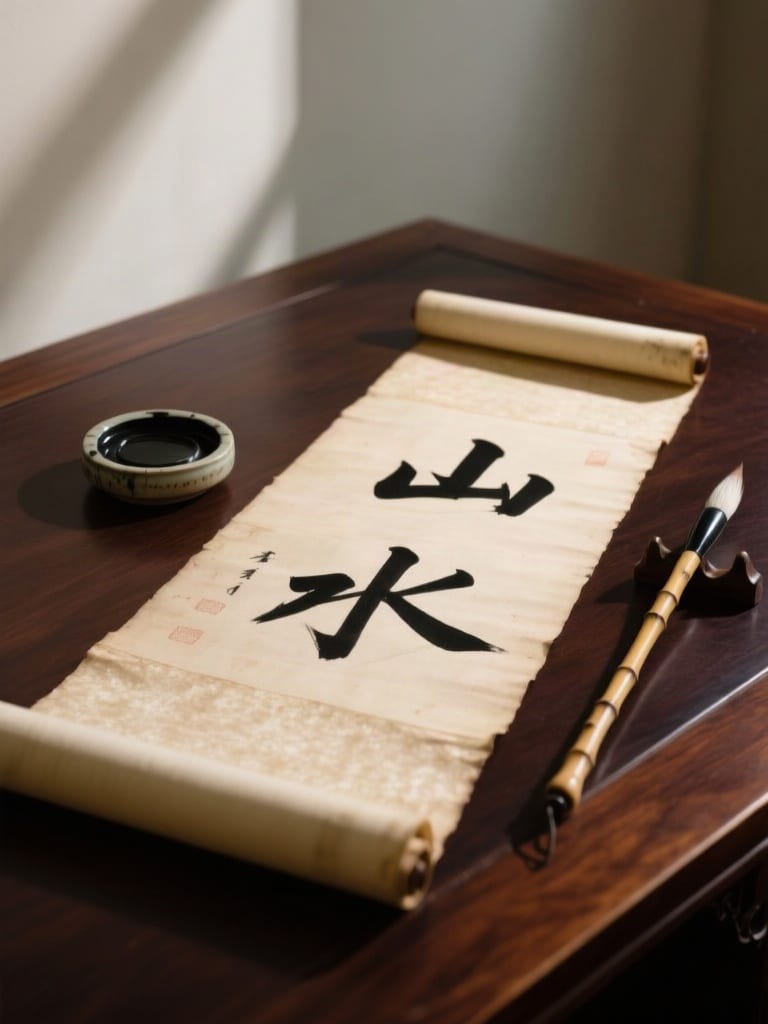
Archival catalog photography with traditional calligraphic script
Designers, brand teams and set builders reach for it when a headline, a label or a sign has to read correctly the first time.
The base variant generates from scratch, while edit-plus works on existing images. Base is for posters, covers, signage and infographics. Edit-plus swaps objects, restyles, changes text on a picture or merges several references, but it needs at least one image and stays close to the source, so it is a poor fit for exploring wholly new compositions.
Use edit-plus. Supply the image and write something like: change the sign text to "OPEN LATE" in the same style and spacing, keep everything else unchanged. It is built for targeted edits with lock phrases, unlike the base variant.
Wrap the words in double quotes, describe where they sit and how many lines, then name the font traits. For final pieces use 40 to 50 steps rather than dropping to 10, and avoid pushing the CFG scale toward 15-20, which oversaturates the image.
Official guidance is one to three images, although this node accepts up to 16. Extra references likely dilute identity, so name each source in the prompt, like the person from the first image and the bag from the second.
It is weak at cinematic film grain, moody photographic realism, exact brand logos and dense small print, and it responds best to explicit, structured prompts rather than vague mood-only ones. Long paragraphs can also produce spelling slips. For cheap rapid sketching, a lighter model fits better.
It was made by the Alibaba Qwen team. The base model arrived in August 2025, and the edit upgrade that powers edit-plus followed in September 2025.
Posters, packaging and signage where every letter lands in English or Chinese, plus edits that leave the rest of your picture alone