One click, whole workflow
Recipes are here. Package a whole workflow and run it in one click
Explore recipesOne click, whole workflow
Recipes are here. Package a whole workflow and run it in one click
Explore recipesbyLuma AI
Transform prompts and still keyframes into cinema-grade motion shots with physical camera control
Go from a single concept or still image to a fully realized cinematic clip in three directed moves.
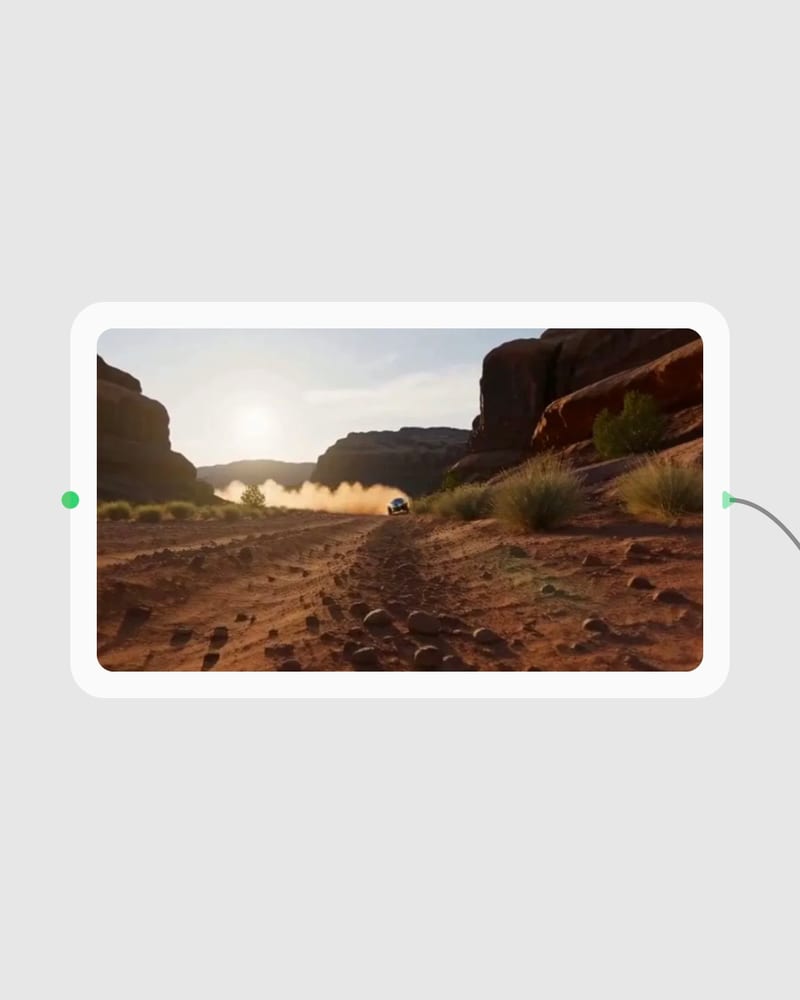
Anchor your visual frame
Input a descriptive text prompt or upload a reference keyframe to preserve character styling and lighting.
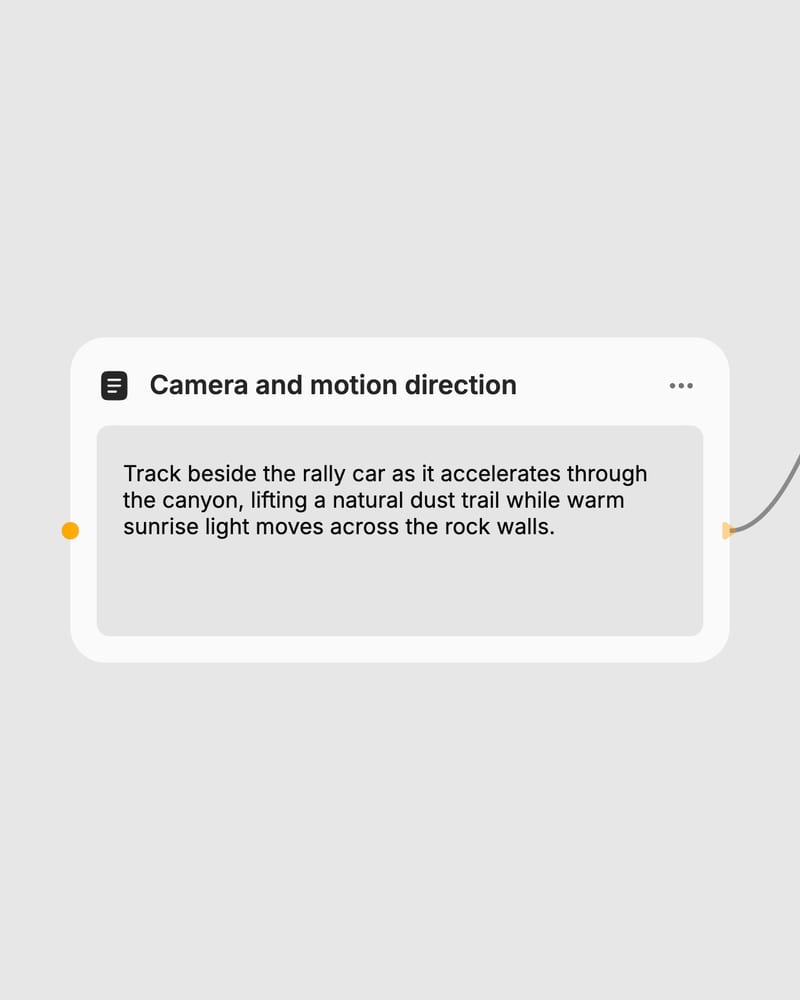
Direct camera and kinetics
Specify camera techniques like dolly zooms or tracking shots alongside temporal light and subject movement.
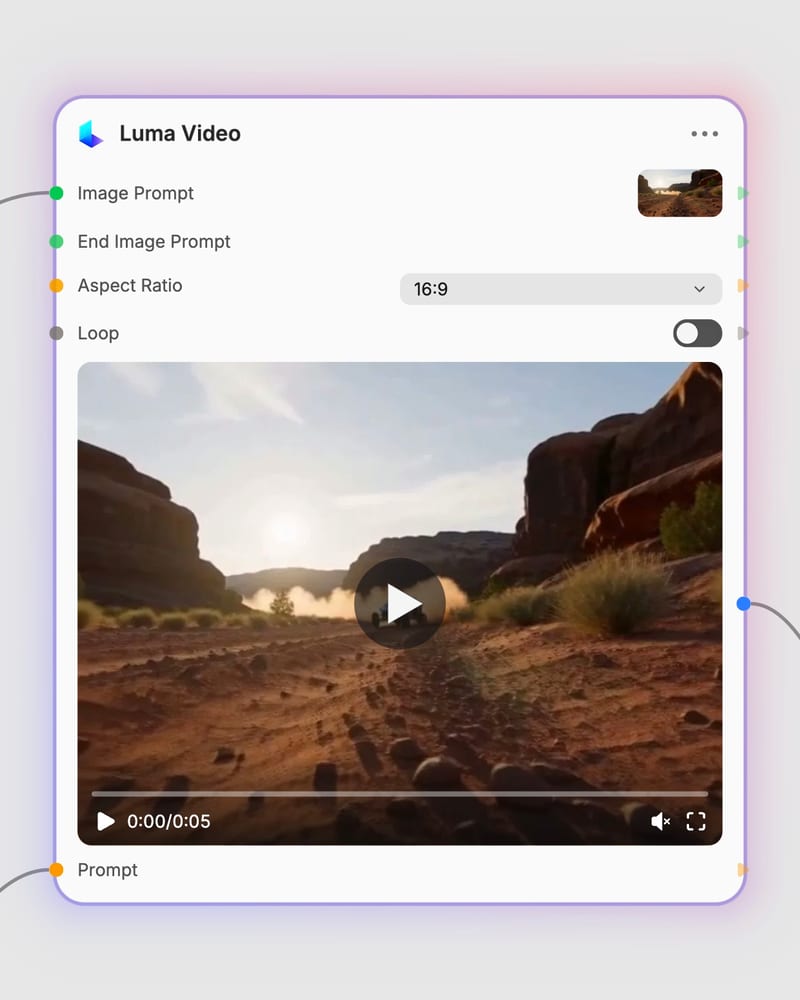
Format and render
Select your aspect ratio across widescreen, vertical, or standard crops, and toggle seamless looping.
From physics-based subject kinetics to flexible aspect ratios, control every dimension of cinematic video generation.
Explore how physics-aware motion, authentic film grain, and dynamic camera paths come together across styles.
See how directors, designers, and visual artists turn static concepts into dynamic film sequences.
Yes, Luma Video is the video generation model family developed by Luma AI, commonly known as Dream Machine or its underlying Ray architectures. The system translates text descriptions and static images into photorealistic video sequences with native understanding of real-world physics and camera movements.
Text-to-video generates entirely new visual scenes and camera paths from a written description, offering creative freedom at the expense of strict compositional consistency. Image-to-video takes an existing still image as an anchor, animating motion and camera shifts while strictly preserving the subject's styling, textures, and lighting.
You should use the image-to-video workflow whenever character consistency, brand fidelity, or specific scene composition is essential. Starting from a high-fidelity keyframe allows the model to focus purely on temporal motion, avoiding the visual drift that can occur when generating characters from scratch.
The model excels at cinematic cinematography, including tracking shots, dolly zooms, crane sweeps, and FPV drone paths. It naturally produces authentic film grain, soft exposure gradients, and realistic depth of field, working exceptionally well on vehicles, landscapes, environmental fluids, and subtle character portraits.
Luma Video is not designed for rendering legible typography, brand logos, or high-speed chaotic crowd scenes. In addition, generations are strictly silent without native audio, and complex anatomical movements during rapid action sequences can produce morphing artifacts.
Luma Video was created by Luma AI, first launching in June 2024 as Dream Machine and evolving through subsequent iterations including the Ray 2 and Ray 3 model generations. It is built on a scalable multimodal transformer architecture trained directly on extensive video sequences.
Transform prompts and still keyframes into cinema-grade motion shots with physical camera control