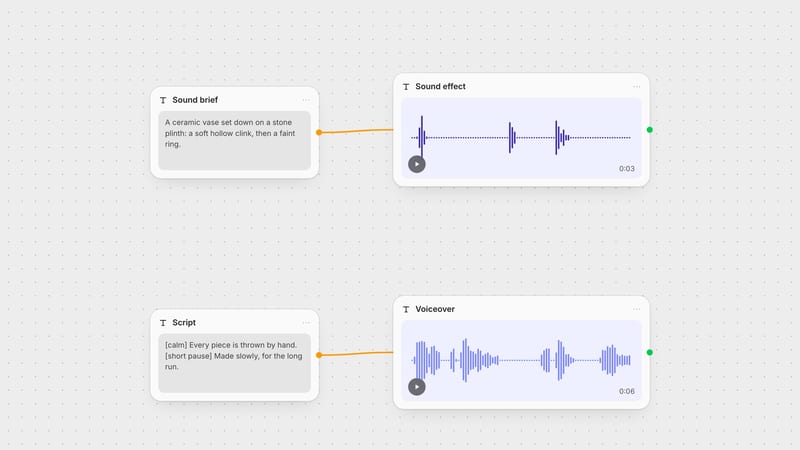
One click, whole workflow
Recipes are here. Package a whole workflow and run it in one click
Explore recipesOne click, whole workflow
Recipes are here. Package a whole workflow and run it in one click
Explore recipesbySWivid (Shanghai AI Lab)
Expressive zero-shot voice cloning and natural speech synthesis powered by flow matching
Produce studio-grade voice clones in three straightforward steps by pairing a short reference recording with structured text.
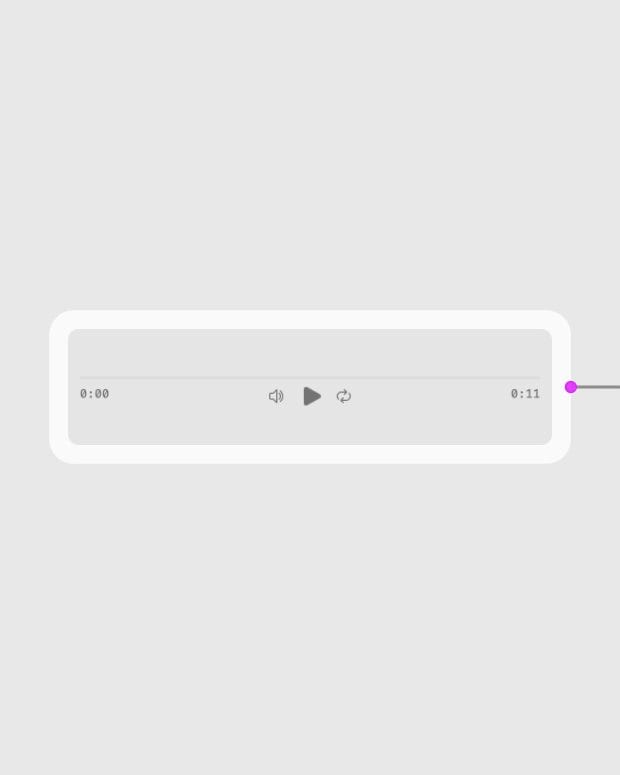
Upload reference audio
Provide a clean, mono 10-to-15-second voice sample with steady pacing and minimal background noise.
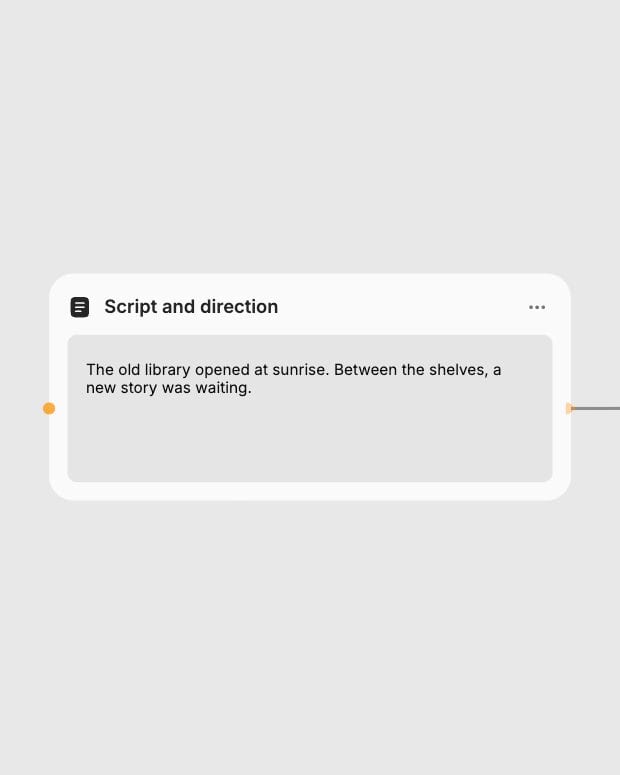
Enter transcript and script
Add the reference transcript to bypass ASR, then type your target text with expressive punctuation.
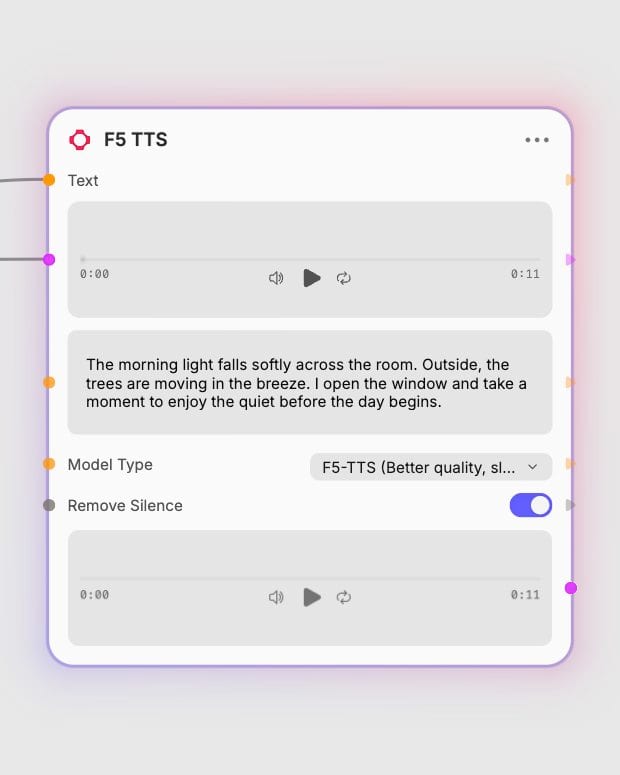
Synthesize target speech
Select F5-TTS or E2-TTS architecture to generate natural speech preserving the original vocal identity.
State-of-the-art flow matching and multilingual training deliver organic speech synthesis, accurate timbre cloning, and flexible generation modes.
Hear how F5 TTS handles varied narrative styles, dramatic line deliveries, and conversational pacing across distinct creative formats.
From serialized audiobooks and localized video to game scratch tracks, creators use F5 TTS to produce expressive, identity-preserving vocal audio.
F5-TTS requires a clean, noise-free mono audio clip between 10 and 15 seconds long with natural speaking pacing. Providing the exact verbatim transcript in the reference text input allows the model to bypass automated speech recognition, accelerating generation speed and preventing pronunciation errors.
F5-TTS offers higher sound fidelity, smoother pronunciation, and superior robustness against skipped words, making it the recommended default choice. E2-TTS generates audio faster with fewer computational steps, but is best reserved for simple sentences and rapid drafting because it is more prone to pronunciation artifacts on complex phrasing.
Yes, F5-TTS supports cross-lingual voice cloning across English, Chinese, German, French, Japanese, and Korean. Because it is trained on the 100,000-hour Emilia dataset, a speaker recorded in English can generate fluent French or Japanese speech while retaining their original vocal timbre and acoustic identity.
Speech distortion or unnatural speed acceleration typically happens when input text chunks exceed 30 seconds of spoken time or when the reference audio contains background noise. Breaking long scripts into smaller segments under 150 characters and using punctuation like commas and periods ensures clean cadence and stable pitch.
F5-TTS was developed by SWivid and researchers at Shanghai AI Lab, first released in October 2024. It utilizes a non-autoregressive Flow Matching framework combined with a Diffusion Transformer backbone and ConvNeXt V2 blocks.
Expressive zero-shot voice cloning and natural speech synthesis powered by flow matching